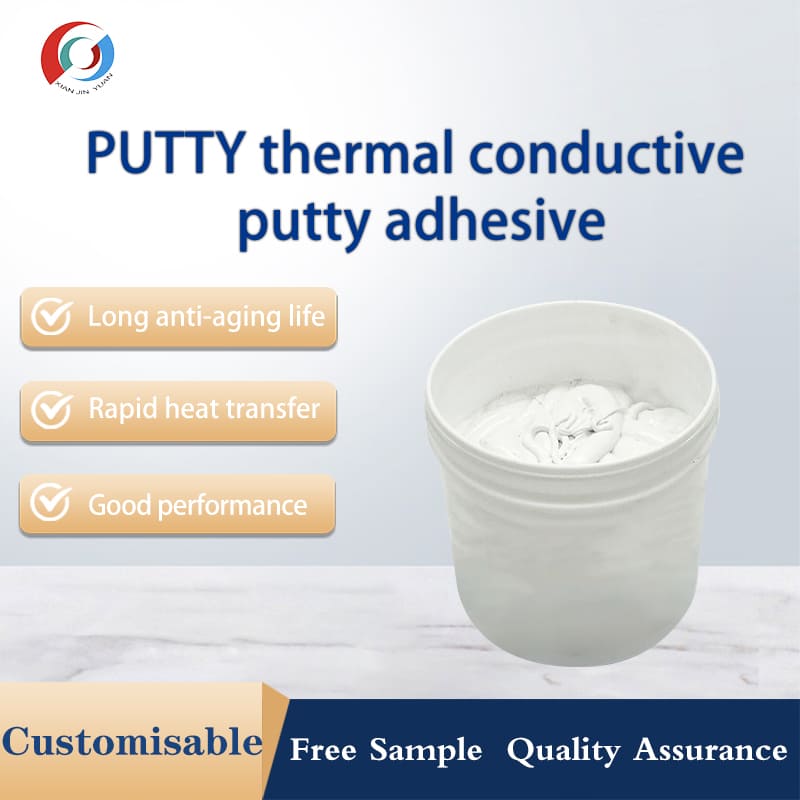
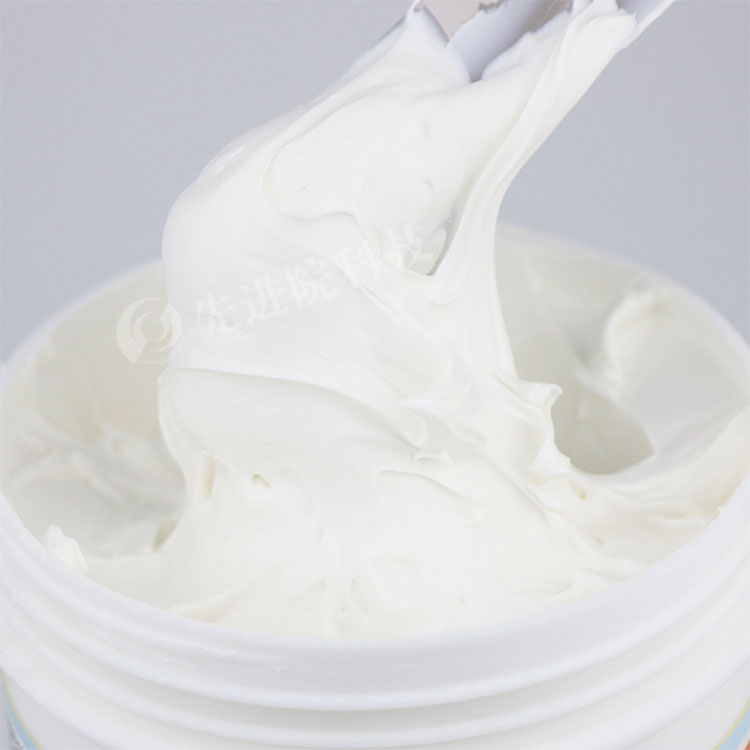
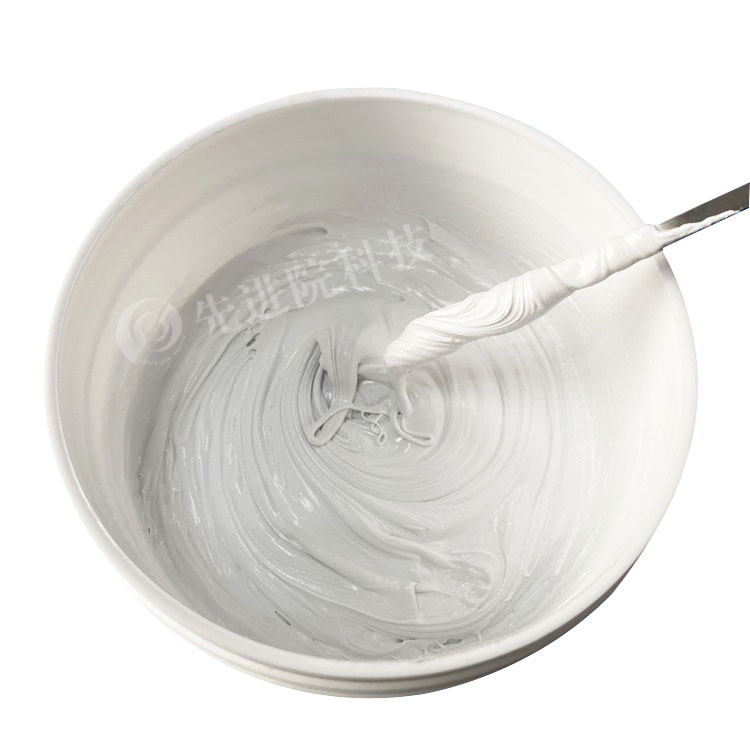
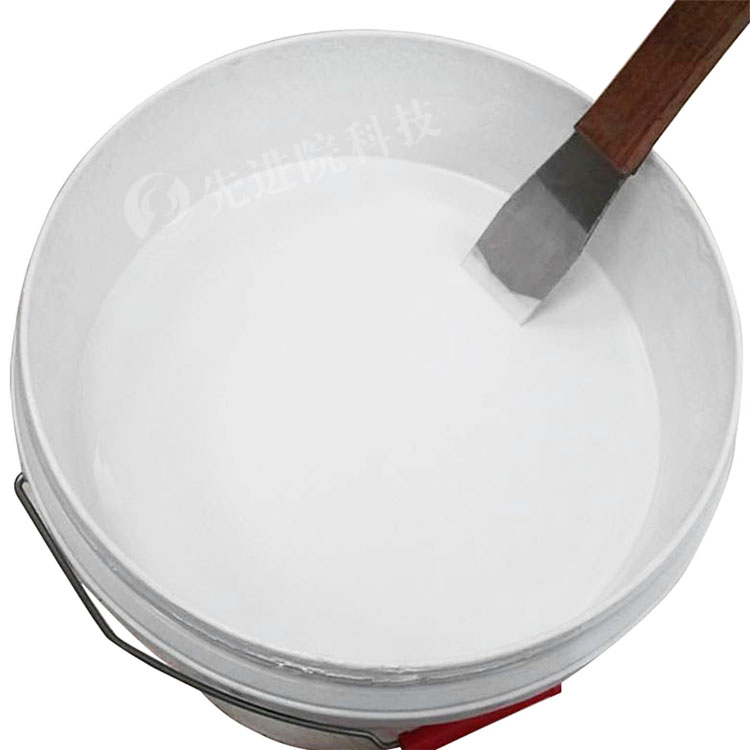
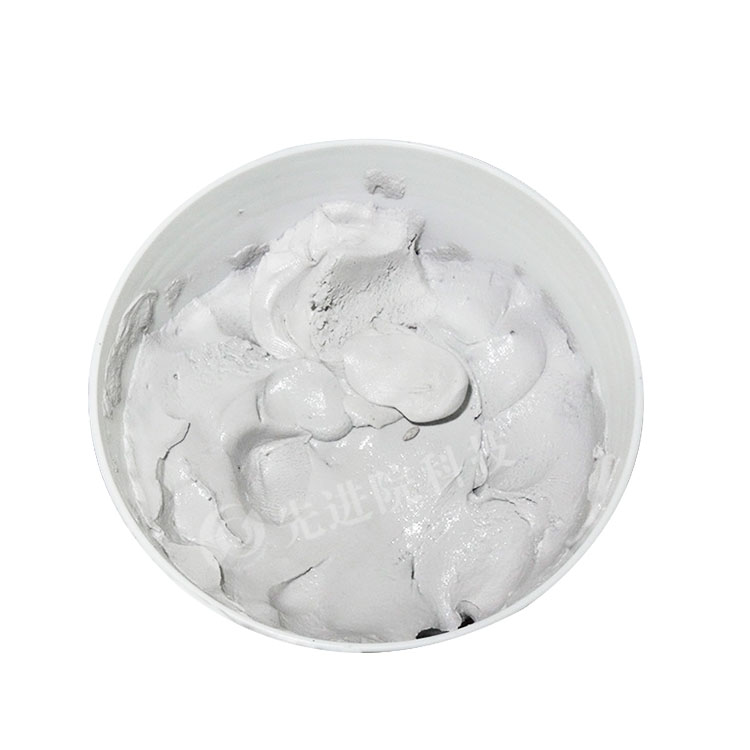
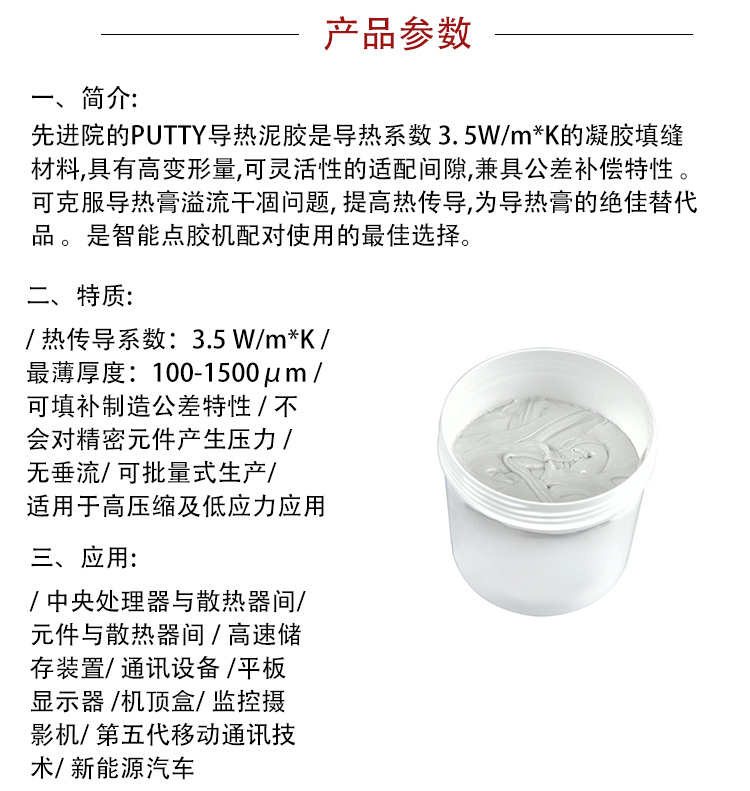
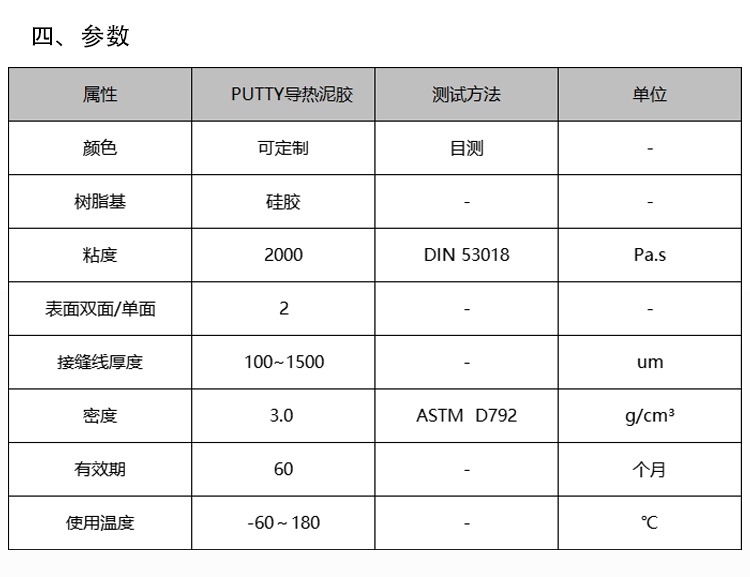
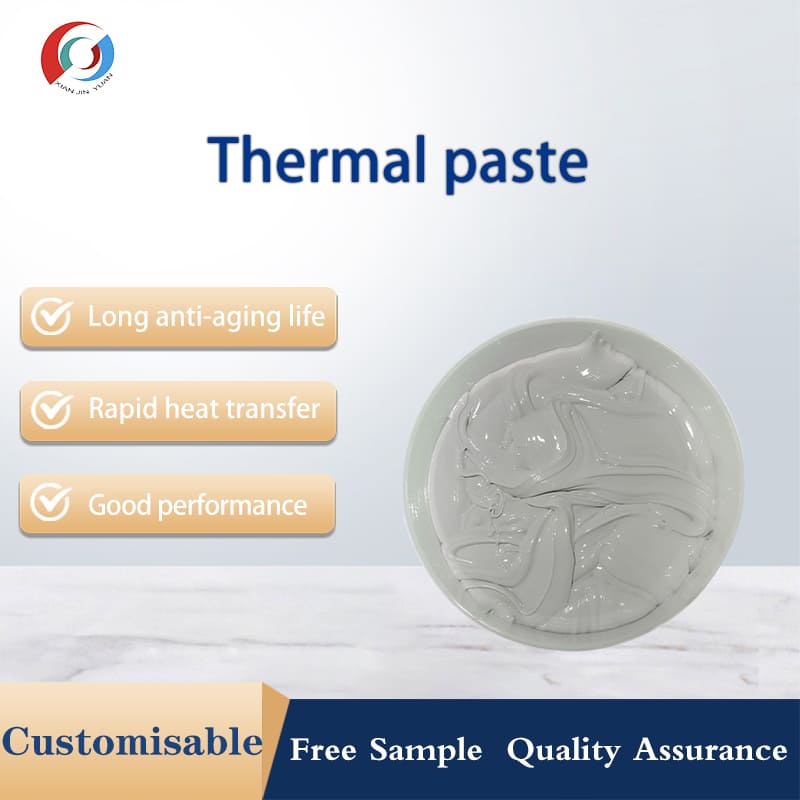
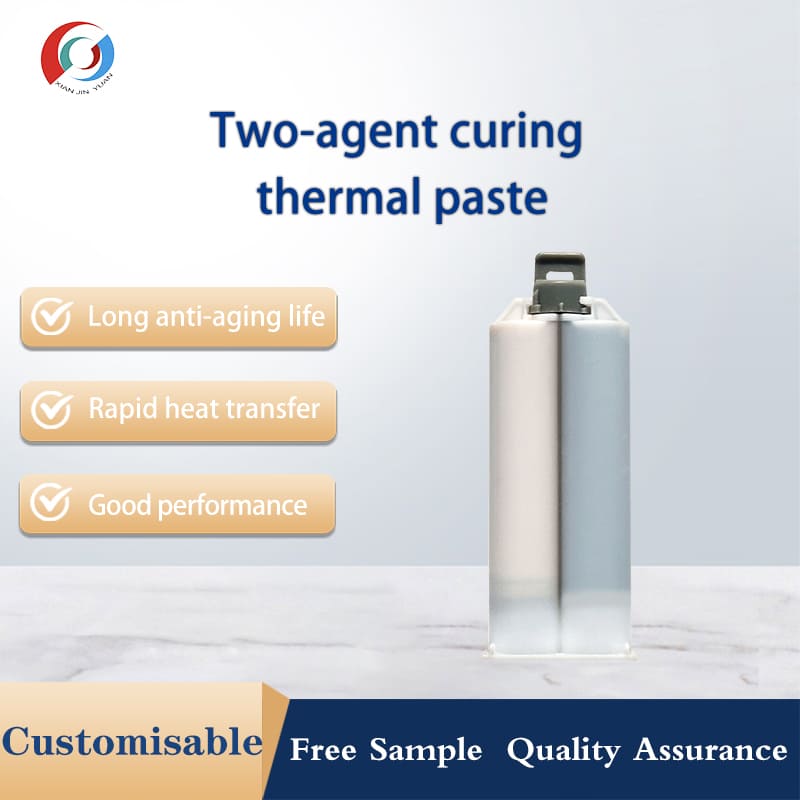
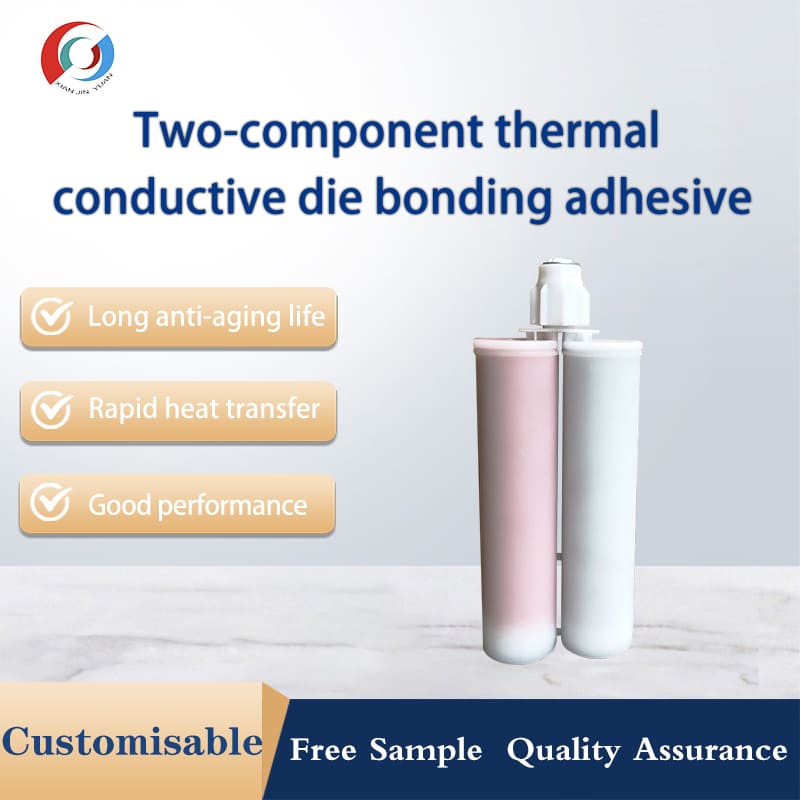
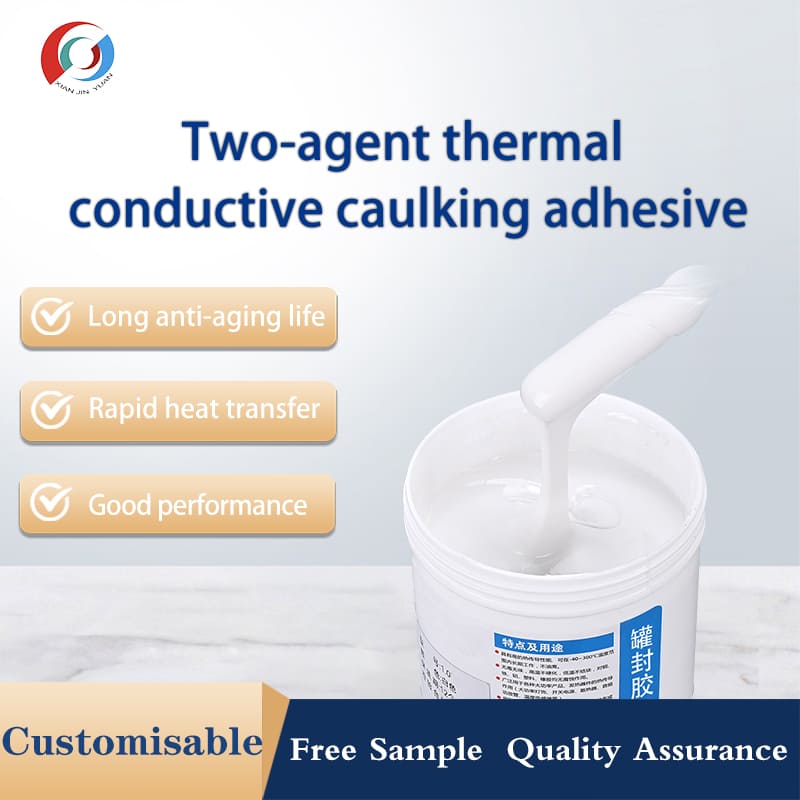
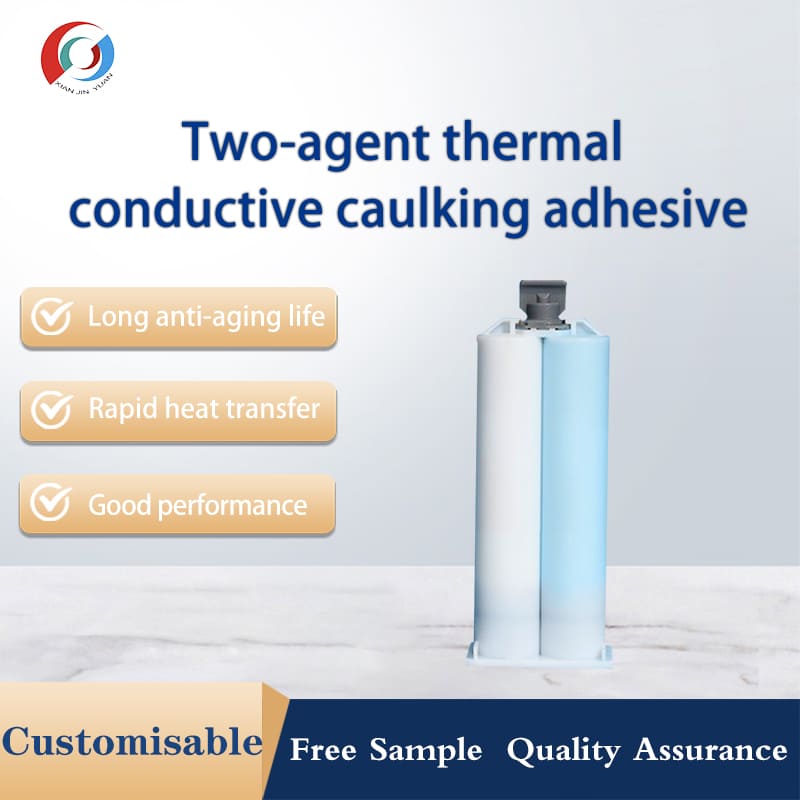
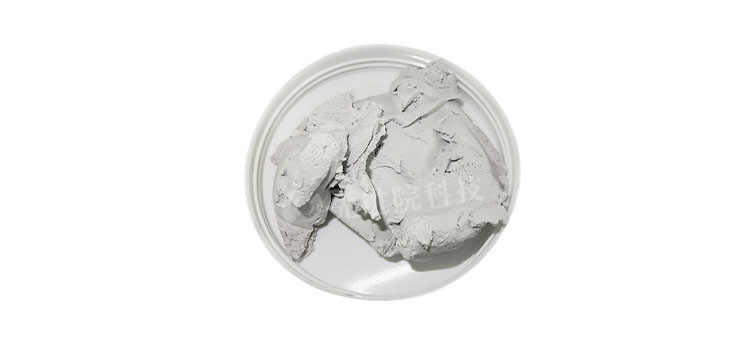
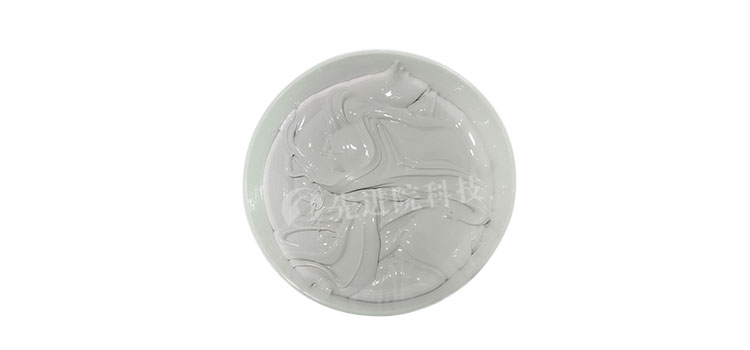
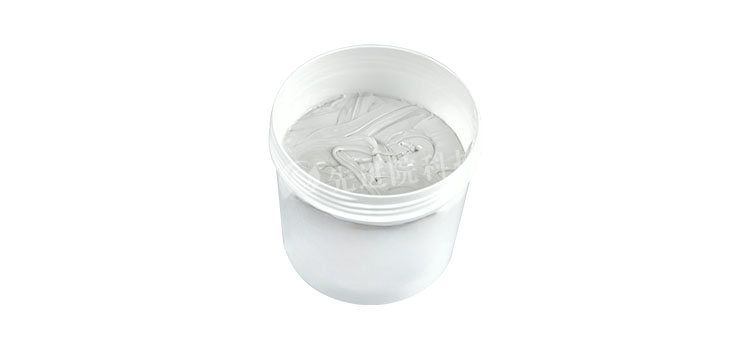
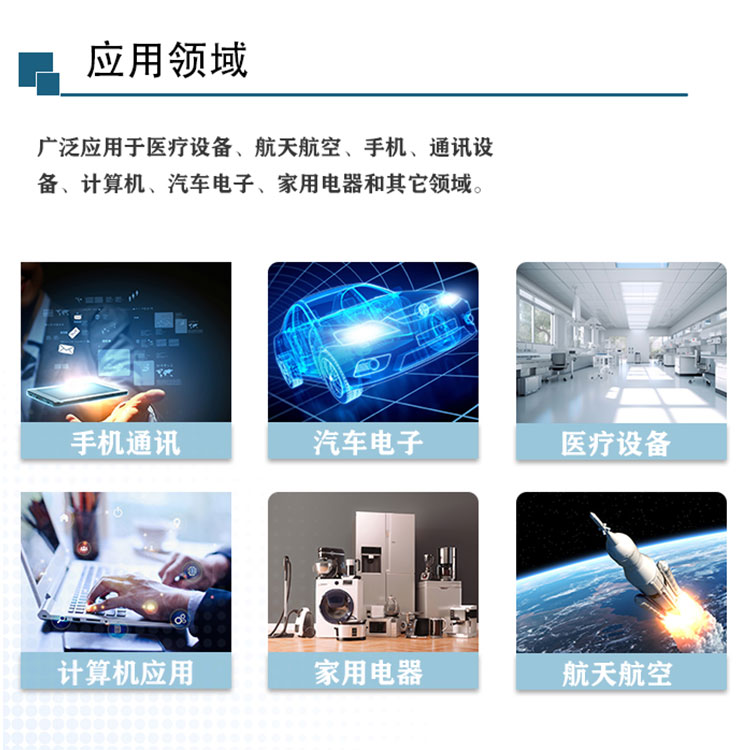
PUTTY thermal conductive adhesive is a high-performance liquid thermal conductive material known for its high viscosity and infinite compressibility. It can perfectly fill various complex interfaces and small gaps, ensuring close contact between the heat source and the heat sink, effectively reducing thermal resistance. PUTTY thermal conductive adhesive also has excellent stability and durability, and can maintain its thermal conductivity unchanged during long-term use, making it an ideal choice in the field of electronic heat dissipation.
Production principle:
- High thermal conductivity filler network: PUTTY thermal conductive adhesive contains fillers with high thermal conductivity, such as alumina, boron nitride, etc. These fillers are evenly distributed in the adhesive to form an efficient thermal conductivity network, ensuring rapid heat transfer.
- Filling small gaps: Due to its high viscosity and fluidity, PUTTY thermal conductive adhesive can fill small gaps and irregular surfaces between electronic components and heat sinks, increase contact area, and improve thermal conductivity efficiency.
- Maintain long-term stability: PUTTY thermal conductive adhesive has good thermal and chemical stability, and will not decompose or lose even in high temperature environments, ensuring stable performance during long-term use.
Stress free compressibility: This material can be infinitely compressed without generating stress, adapting to various complex structures and installation environments without causing damage to electronic components.
Production process:
- Raw material preparation: Select thermal conductive fillers (such as aluminum nitride, zinc oxide, nanodiamonds, etc.), matrix materials (such as amino silicone oil, phenyl silicone oil, etc.), hydrogen containing silicone oil, functional additives (such as plasticizers, dispersants, thickeners, leveling agents, etc.), and silane coupling agents and other raw materials.
- Thermal conductive filler modification: Dissolve silane coupling agent in ethanol to prepare a silane coupling agent alcohol solution, add thermal conductive filler, stir and dry to obtain modified thermal conductive filler.
- Preparation of mixture: Add the matrix and hydrogen containing silicone oil into the container, stir evenly, then add modified thermal conductive filler and functional additives, stir at high speed to obtain a uniform mixture.
- Vacuum defoaming: Place the evenly stirred mixture in a vacuum environment and perform heating defoaming treatment to remove bubbles from the mixture and improve the density and thermal conductivity of the product.
Cooling molding: Cool the mixture after defoaming to room temperature to obtain the thermal conductive adhesive product. According to the needs, it can be packaged in the form of a syringe or other forms for the use of automated dispensing processes.

 en
en  Español
 Français
 Português