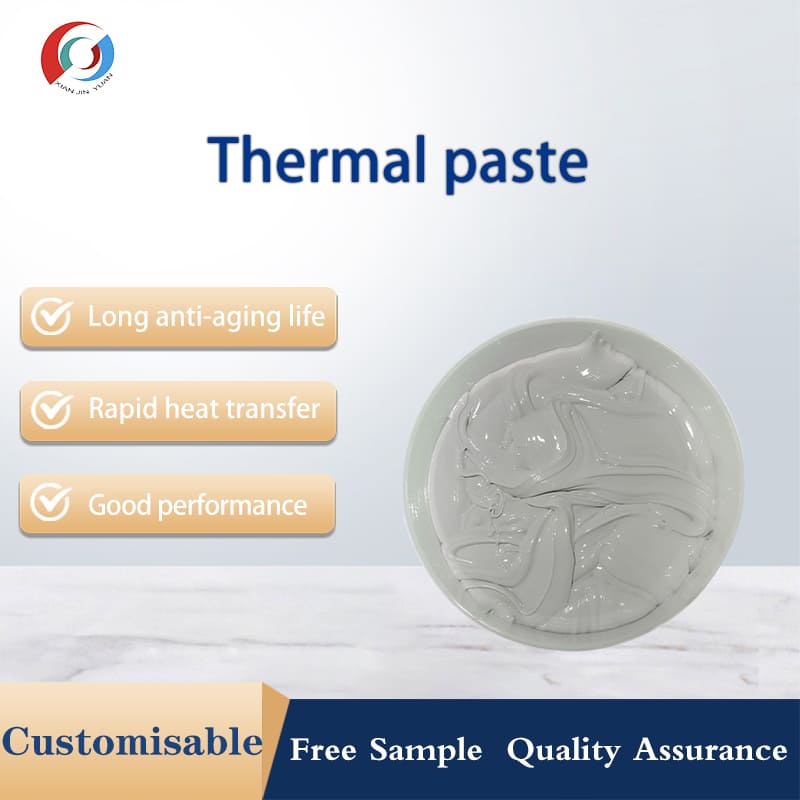
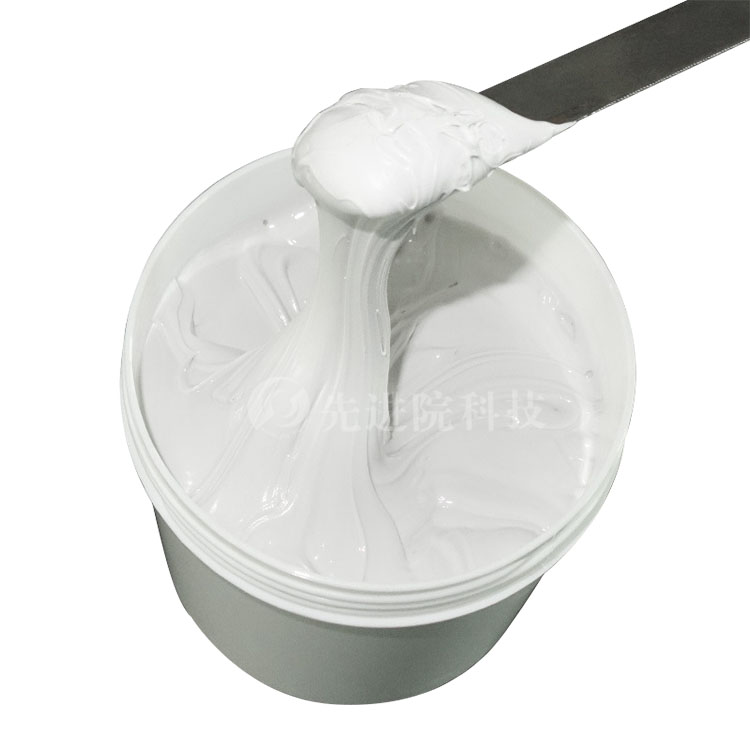
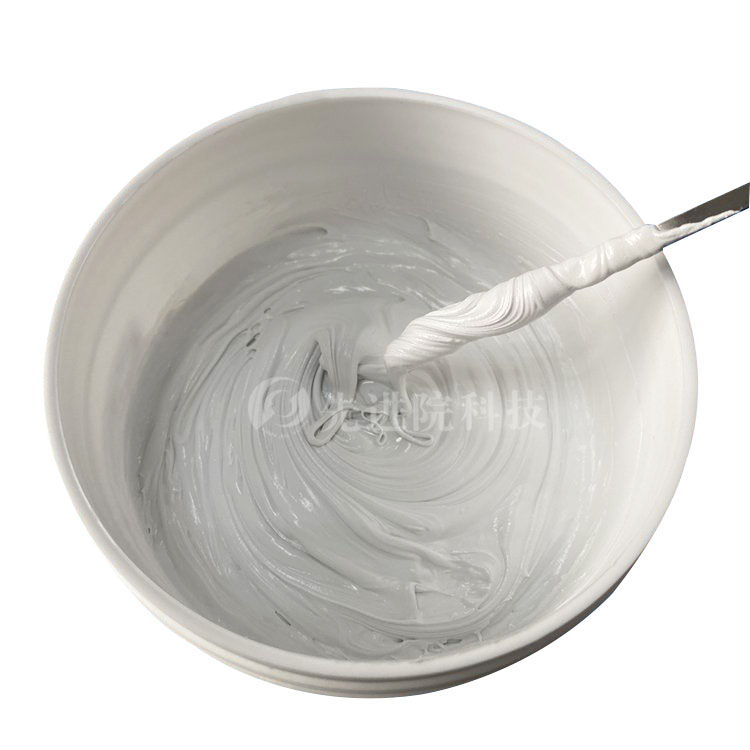
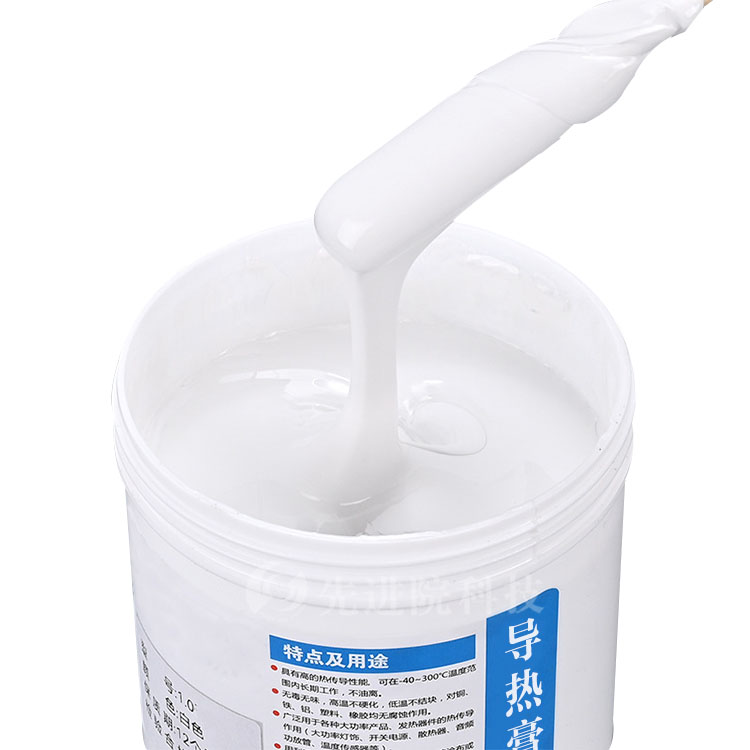
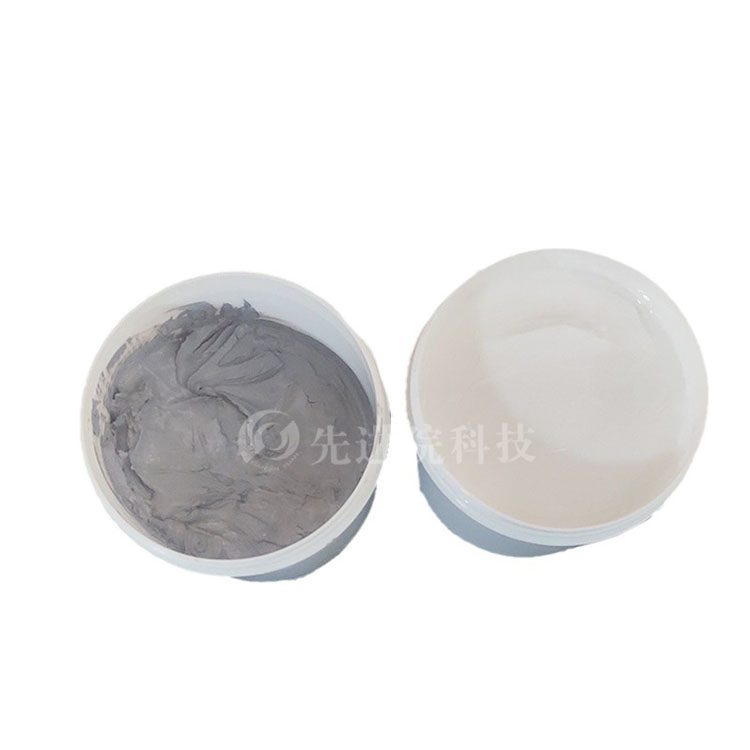
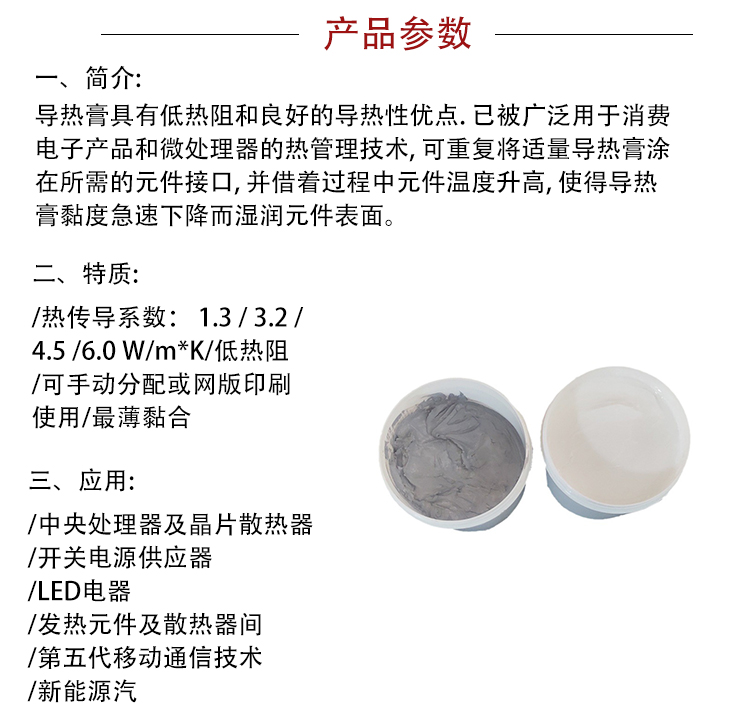
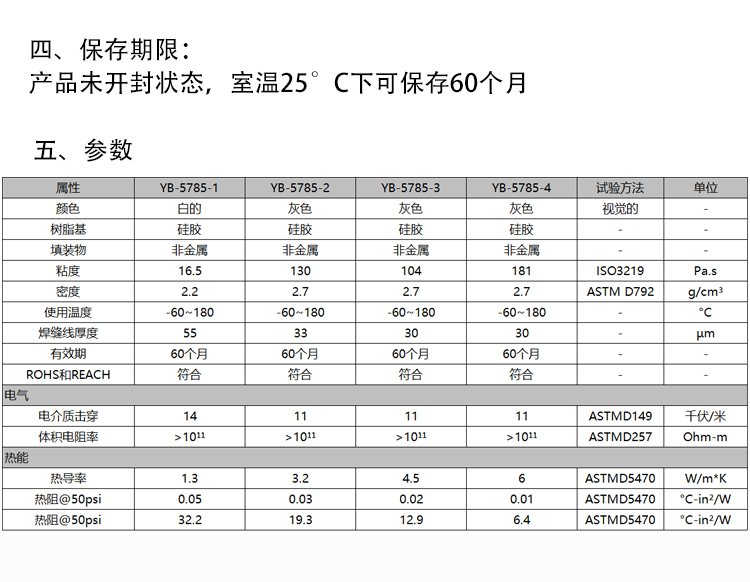
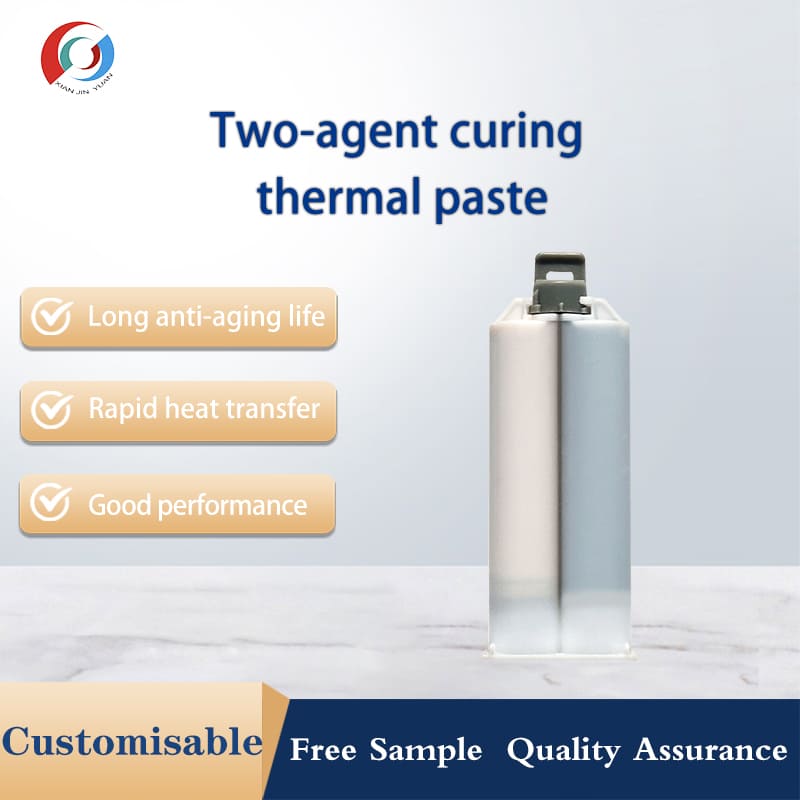
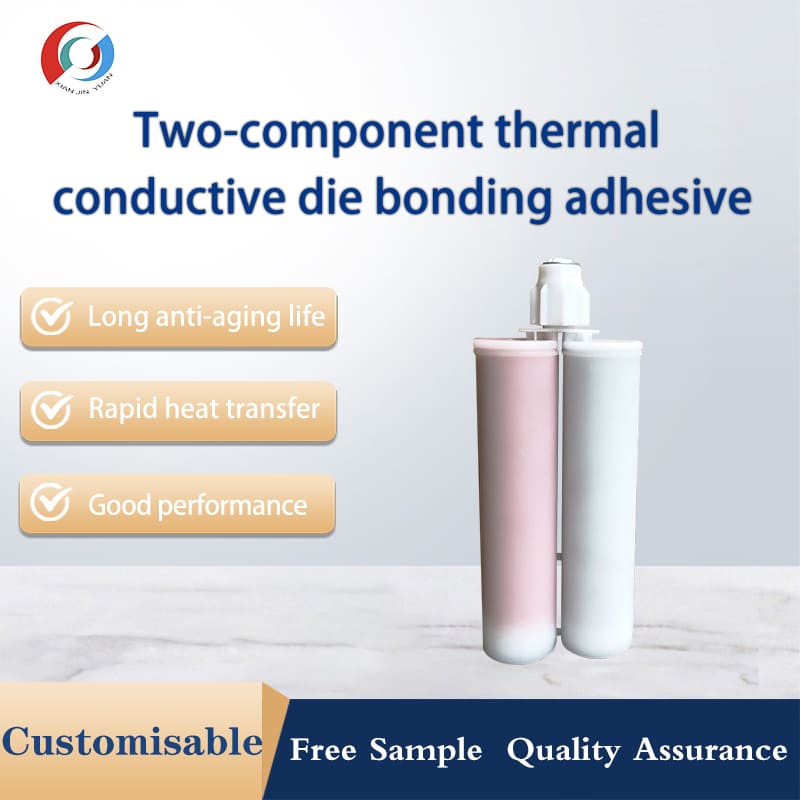
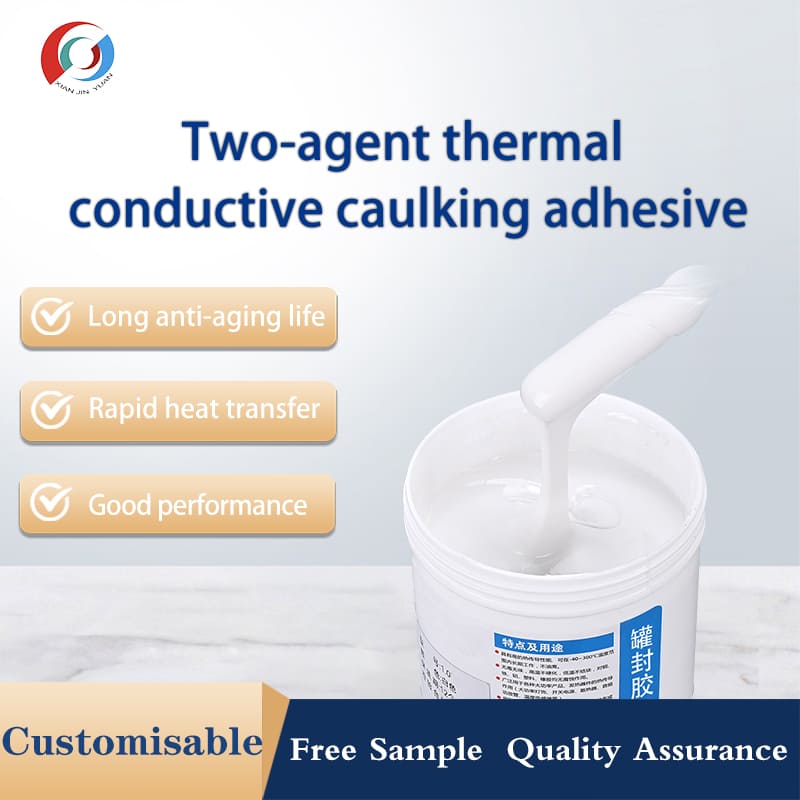
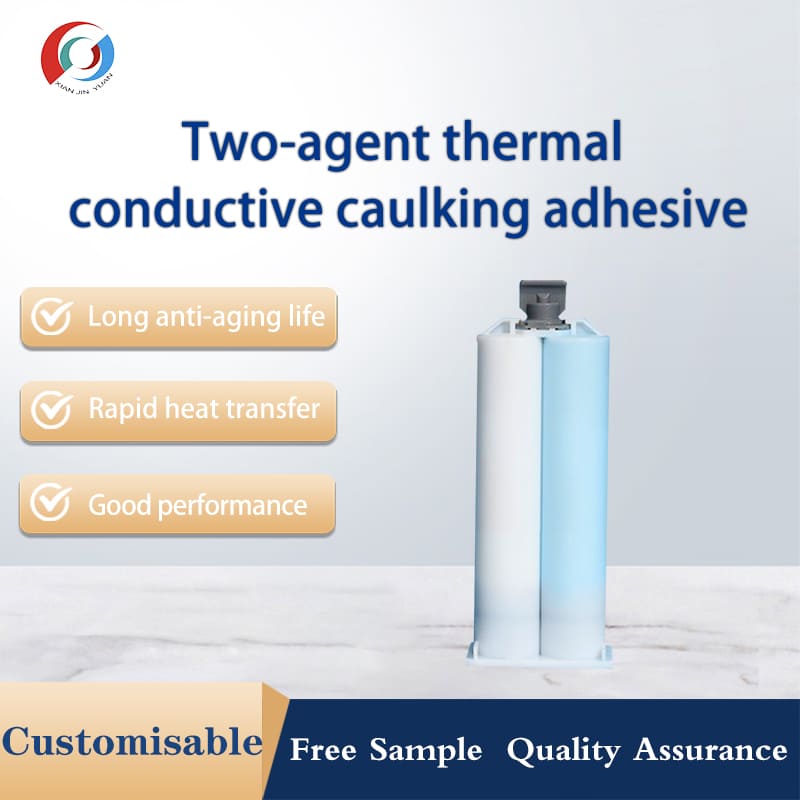
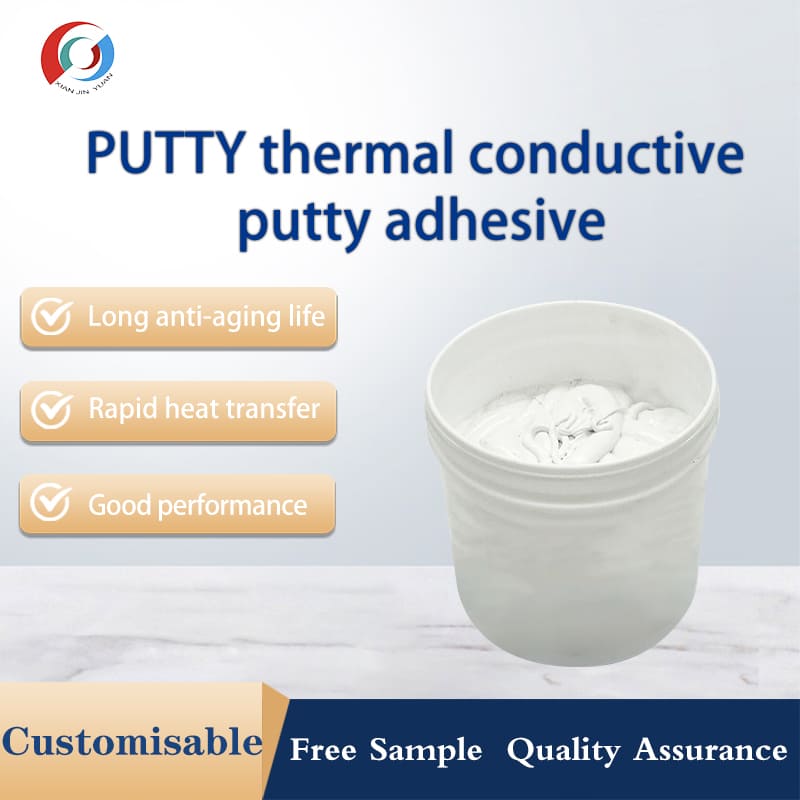
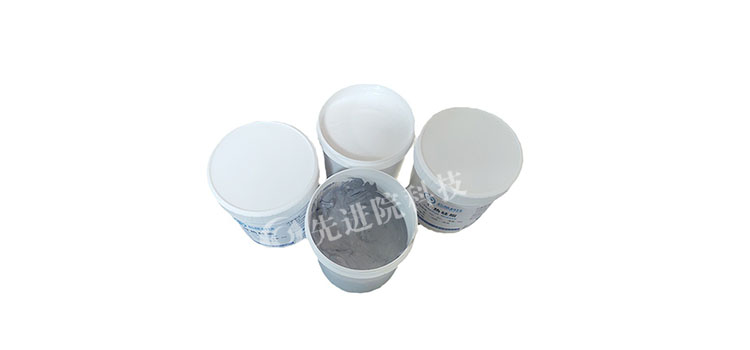
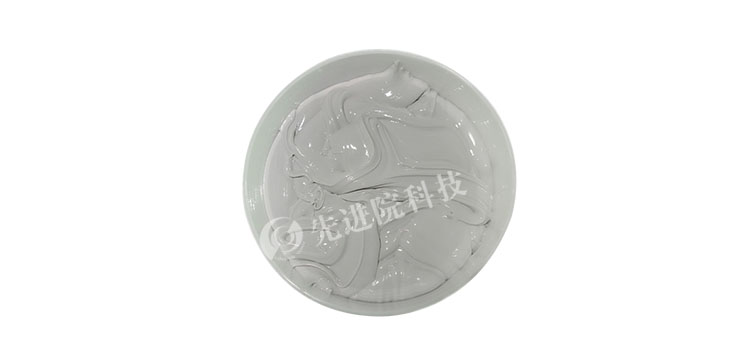
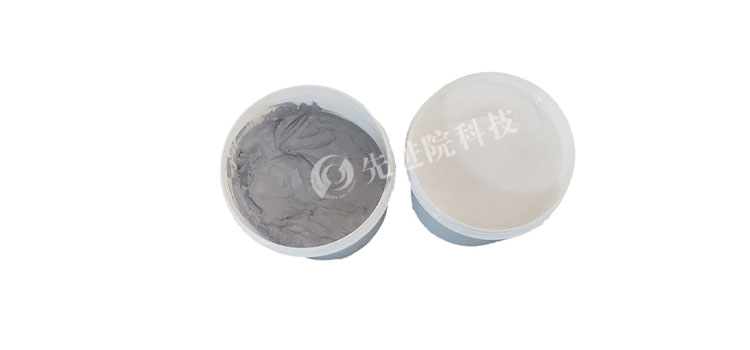
Thermal paste is a paste like medium with high thermal conductivity and low thermal resistance. It fills the micro concave convex gaps between heating elements (such as CPUs/chips) and heat sinks, eliminates air to eliminate thermal conduction obstacles, greatly improves heat transfer efficiency, reduces hardware operating temperature, and extends equipment life. It is widely used in electronic heat dissipation, power device packaging, and precision instrument temperature control scenarios. Its performance depends on thermal conductivity (1-13W/m · K or above), filler particle size, and construction uniformity.
Production principle:
Fill micro gaps and eliminate air thermal resistance:
Thermal paste fills these gaps through the fluidity of the paste, forming continuous thermal conduction channels and avoiding air layers from becoming bottlenecks in thermal conduction.
Constructing a three-dimensional thermal conductivity network to accelerate heat transfer
The high thermal conductivity filler particles such as boron nitride, aluminum oxide, graphene, etc. added to the thermal paste form randomly distributed thermal conductivity paths in the matrix.
Reduce interface contact thermal resistance and improve thermal coupling efficiency
The adhesive properties of thermal conductive paste enable it to adapt to surface roughness and form a very thin (5-50 μ m) uniform interface layer through the application process.
Buffer thermal stress and extend hardware lifespan
The elastic matrix of thermal paste can absorb some stress, avoiding cracks or solder joint failure caused by thermal fatigue of components, while maintaining long-term stable thermal conductivity.
Electrical insulation ensures circuit safety
Thermal paste uses non-conductive substrate (such as silicone oil) and insulating filler, with a resistivity of up to 10 ¹² -10 ¹⁵Ω· cm, which can effectively isolate the leakage path between metal components and avoid the risk of short circuit in high-voltage environments.
Inhibit interface oxidation and maintain long-term thermal conductivity
The antioxidant added to the thermal paste can prevent the oxidation of the metal surface and avoid the increase in thermal resistance caused by the oxide layer.
Principle analogy: The "thermal bridge" function of thermal paste
- Not using thermal paste: There is a "gravel road" (air gap) between the component and the heat sink, and thermal energy needs to be transferred in a tortuous manner in the gap, resulting in low efficiency.
Using thermal paste: Thermal paste forms a "highway" (three-dimensional thermal conductivity network), where thermal energy can flow rapidly and directionally along high thermal conductivity fillers, increasing efficiency several times.



 en
en  Español
 Français
 Português