Suitable for inkjet printingHIT low-temperature silver pasteInnovate technology to drive the future of efficient production
In today's rapidly advancing technology, advanced manufacturing is driving industrial upgrading at an unprecedented speed. Among them, the photovoltaic industry, as a core force in the field of clean energy, has made particularly remarkable technological progress. The inkjet printing suitable for HIT (heterojunction) low-temperature silver paste developed by the Advanced Institute of Science and Technology Production is a shining pearl in this wave. It not only simplifies the production process, but also shows great potential in improving efficiency, opening up a new path for the high-quality development of the photovoltaic industry.
1、 Technological Innovation: A Leap from Tradition to Intelligence
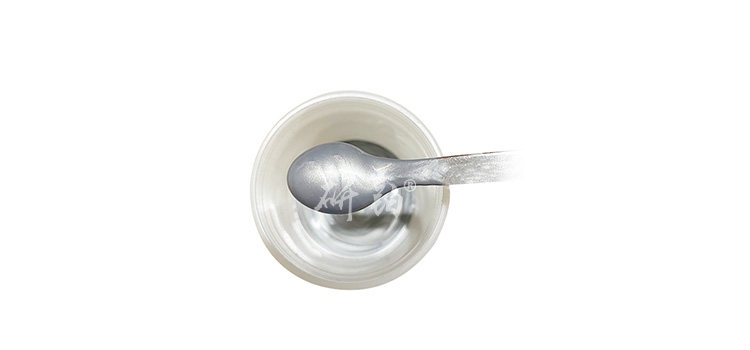
In the traditional manufacturing process of photovoltaic cells, screen printing technology is often used for silver paste coating. Although this method is mature and stable, it has limitations in terms of precision, material utilization, and production efficiency. The introduction of inkjet printing technology, like a clear stream, has brought revolutionary changes to the production of HIT batteries.Inkjet printing is suitable for HIT low-temperature silver pasteBy precisely controlling the size, speed, and position of ink droplets, high-precision deposition of patterns has been achieved, greatly improving the utilization rate of silver paste and reducing material waste.
Example explanation: According to industry reports, HIT batteries using inkjet printing technology can reduce silver paste consumption by about 20% compared to screen printing, which means that silver paste costs can be saved tens of thousands of yuan per megawatt of production capacity. At the same time, the high flexibility of inkjet printing technology makes battery design more diverse, providing more possibilities for improving photoelectric conversion efficiency.
2、 Low temperature process: a dual victory of energy efficiency and environmental protection
One major feature of HIT batteries is their low-temperature process requirements, which are of great significance for reducing energy consumption and carbon footprint.Advanced Institute of TechnologyThe low-temperature silver paste developed perfectly meets this requirement, not only achieving good sintering effect at lower temperatures, but also maintaining the high conductivity and stability of the silver electrode. This not only simplifies the production process and reduces energy consumption, but also makes the entire production process more environmentally friendly.
Data support: According to statistics, the HIT battery production line using low-temperature silver paste reduces energy consumption by about 30% compared to traditional high-temperature processes, while also reducing greenhouse gas emissions. This change has profound implications for the green transformation of the photovoltaic industry and even the entire energy sector.
3、 Efficiency improvement: seamless integration from laboratory to production line
Efficiency is the lifeline of the photovoltaic industry.High resolution low-temperature silver pasteThe application not only optimizes the battery structure and reduces interface resistance, but also improves light capture efficiency through finer electrode pattern design. Laboratory data shows that HIT cells using this technology have improved their photoelectric conversion efficiency by approximately 1-1.5 percentage points compared to traditional processes. This improvement means a huge increase in energy output in large-scale production, which directly translates into economic benefits.
Case analysis: Taking a 100 MW photovoltaic power station as an example, if inkjet printing is used with HIT low-temperature silver paste technology, the annual power generation will increase by about 15 million kilowatt hours, which is equivalent to reducing about 12000 tons of carbon dioxide emissions annually, while increasing the annual income of the power station by several million yuan.
4、 Intelligent Production: The New Normal of Future Manufacturing
The introduction of inkjet printing technology is not only a technological innovation, but also a big step towards intelligent production. By combining technologies such as the Internet of Things and big data analysis, real-time monitoring and optimization of the production process can be achieved, further improving production efficiency and product quality. This "intelligent manufacturing" model can not only quickly respond to changes in market demand, but also promote technological innovation through continuous data analysis and iterative production processes.
Future outlook: With the continuous maturity of technologies such as artificial intelligence and machine learning, future photovoltaic production lines will become more intelligent, and inkjet printing suitable for HIT low-temperature silver paste will become an important component of this trend. By accurately predicting and automatically adjusting production parameters, personalized customized production can be achieved to meet the needs of different application scenarios and promote the development of the photovoltaic industry to a higher level.
Conclusion
Advanced Institute of Technology ProductionLow resistance cured silver pasteWith its unique technological innovation and significant efficiency improvement, it is leading the photovoltaic industry towards a more efficient, environmentally friendly, and intelligent direction. This is not only a technological breakthrough, but also a profound interpretation of future sustainable development. In this wave of green revolution, we have reason to believe that the combination of inkjet printing technology and low-temperature silver paste will inject strong impetus into the photovoltaic industry and even the global energy transformation, opening a brighter and cleaner new era of energy.

 en
en  Español
 Français
 Português