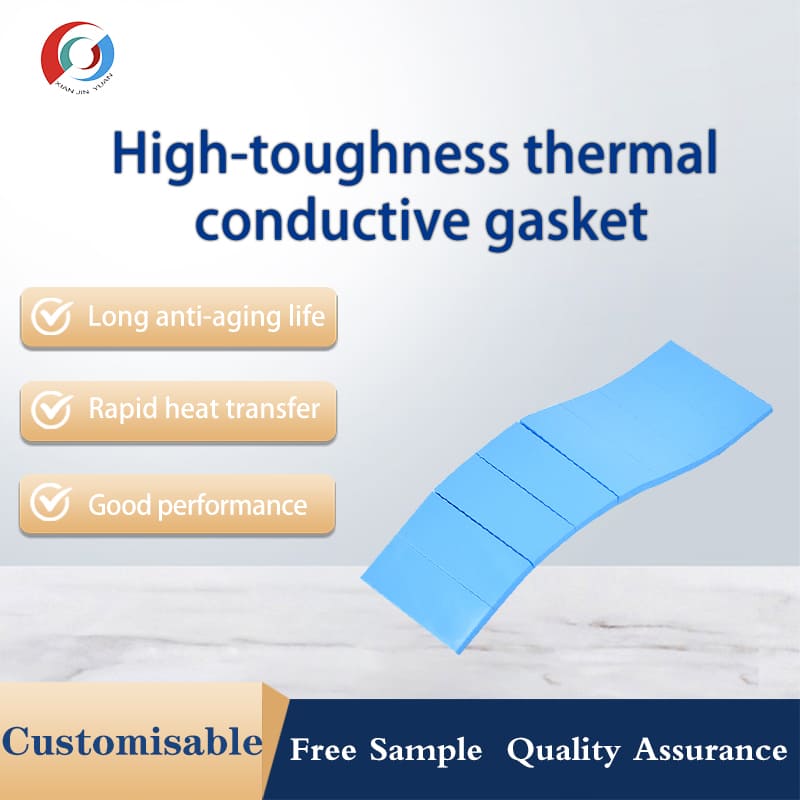
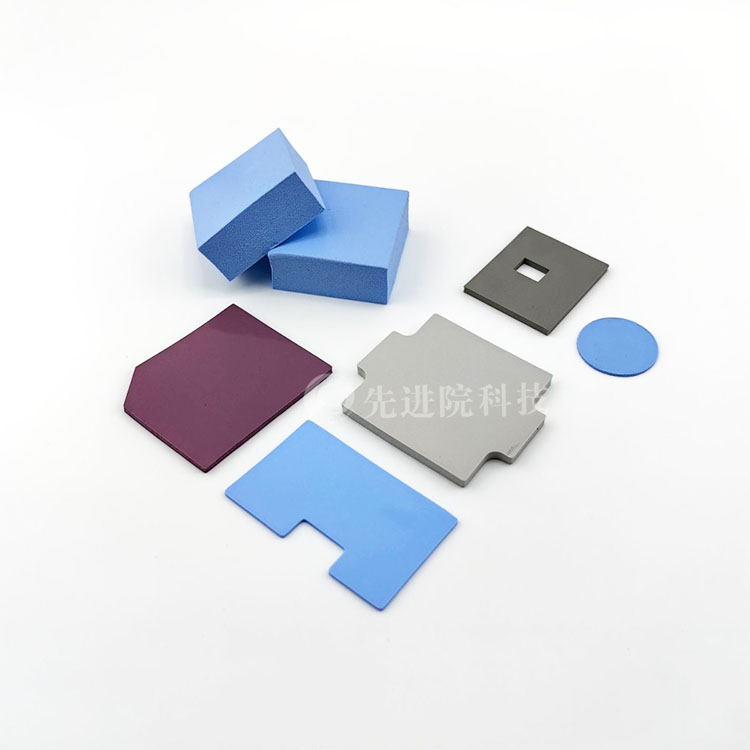
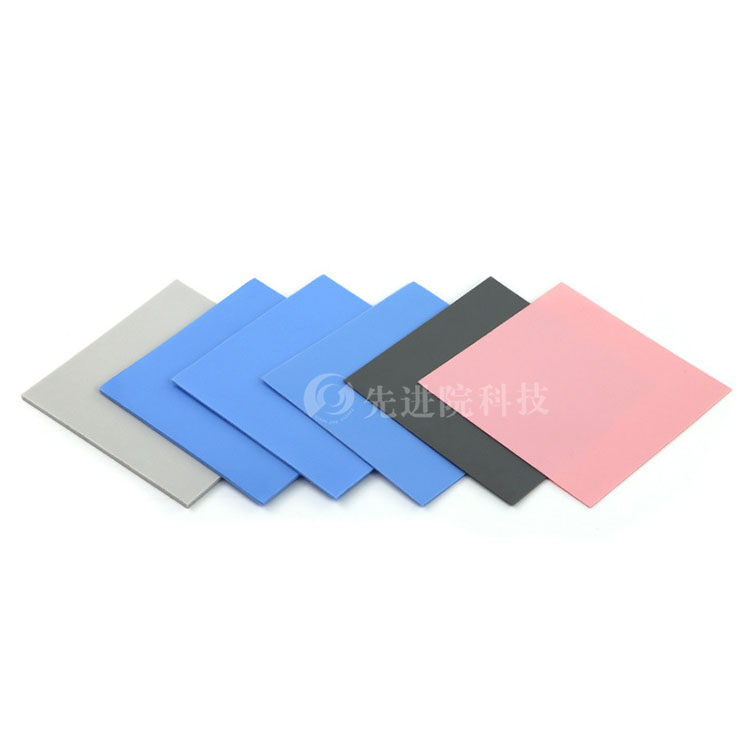
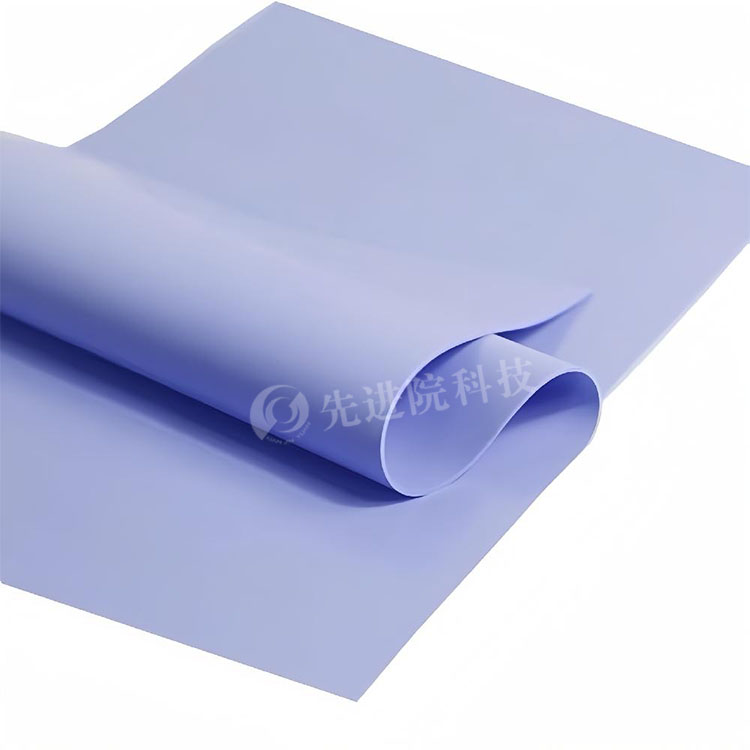
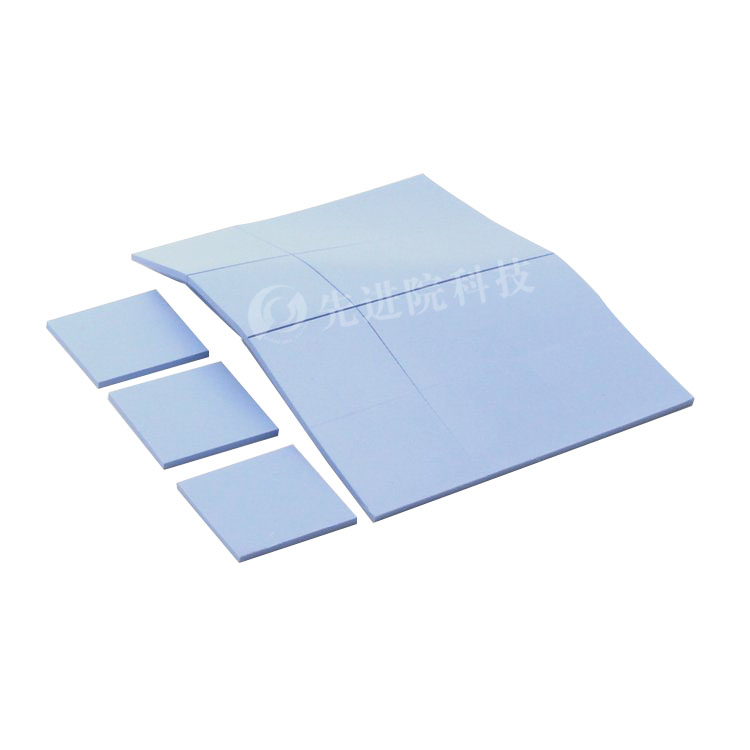
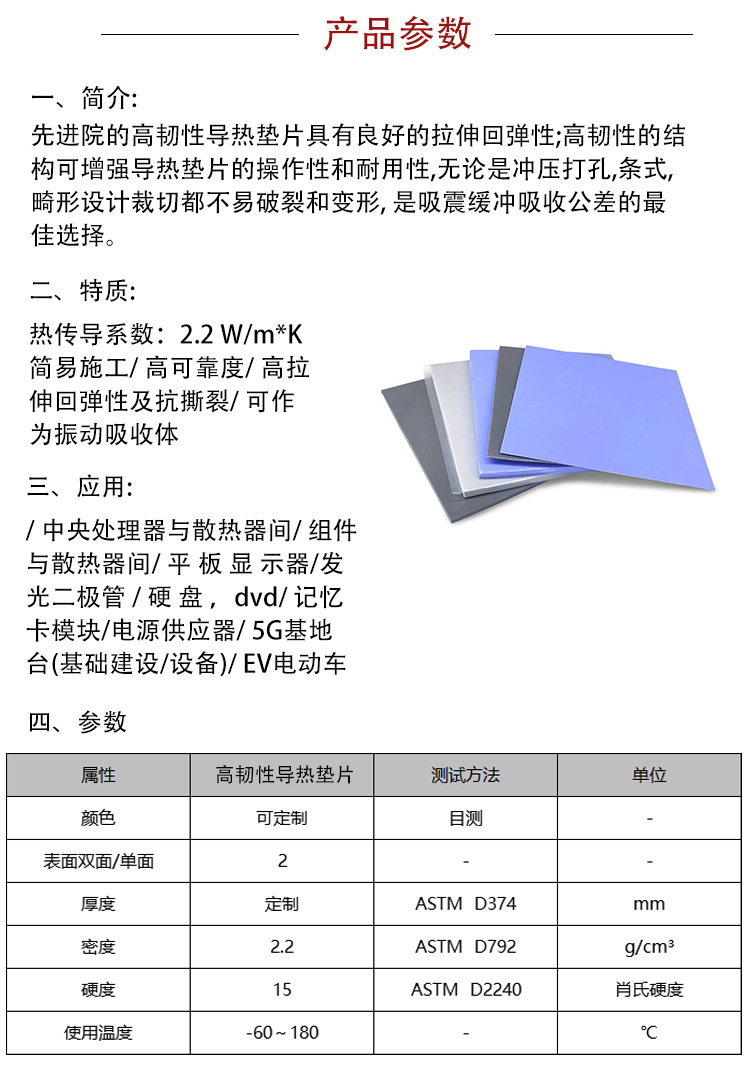
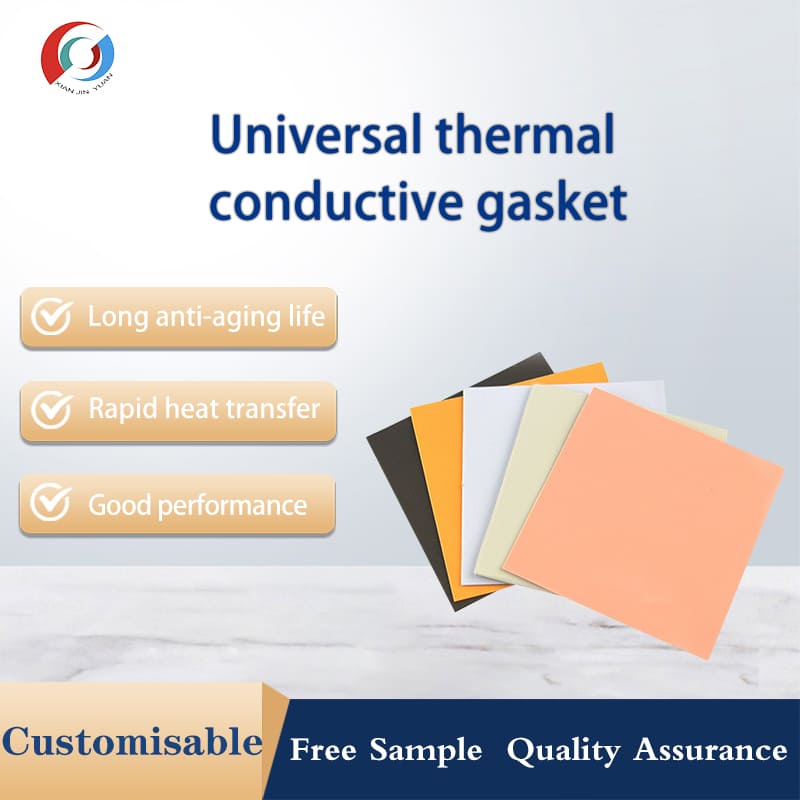
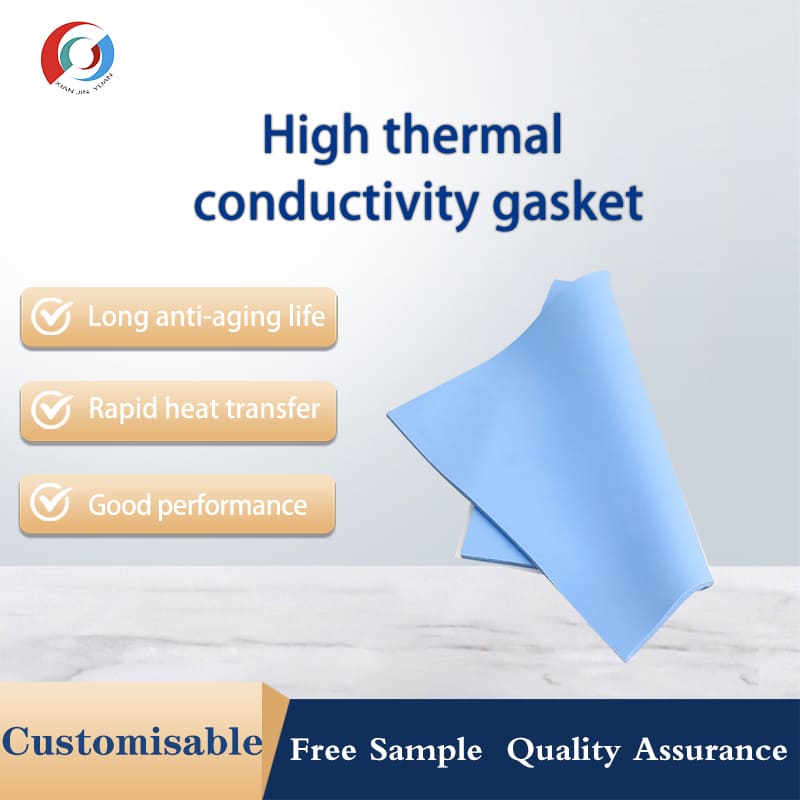
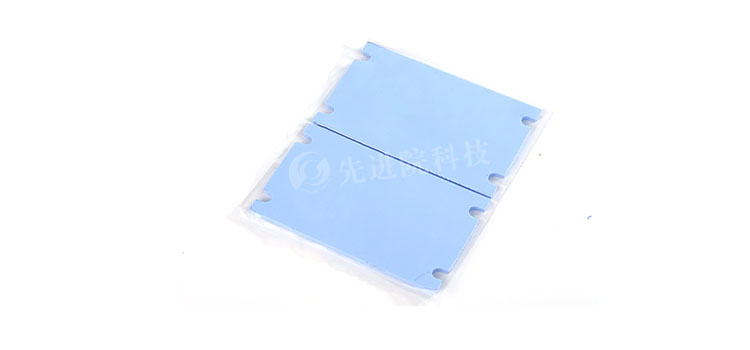
High toughness thermal pad is a high-performance heat dissipation material that combines high thermal conductivity and excellent mechanical toughness. It can maintain structural integrity under complex working conditions, resist processing damage such as stamping and punching, and adapt to various installation environments with good stretchability and compression ratio. Its double-sided micro adhesive design ensures a tight fit with the heat dissipation interface, significantly reducing thermal resistance and improving heat dissipation efficiency. It is particularly suitable for applications such as new energy vehicle batteries that are sensitive to vibration and temperature changes.
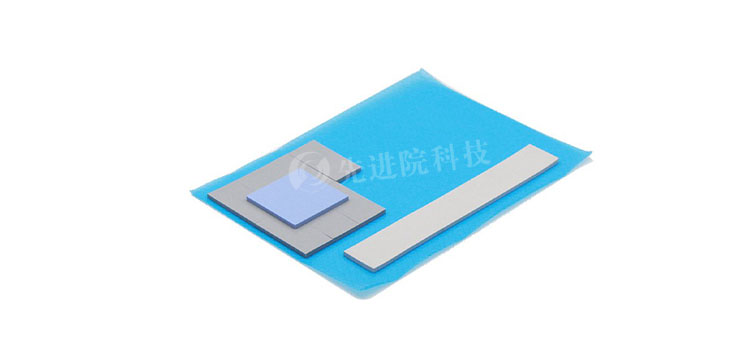
Production principle:
- Raw material preparation: Select high toughness fiber materials (such as carbon fiber, graphene fiber, etc.) and thermal conductive film materials (such as graphene thermal conductive film), and prepare binders and other auxiliary materials.
- Fiber insertion: Adding fibers side by side inserted into the thermal conductive film to form a wavy structure, in order to enhance the compressibility and resilience of the gasket.
- Filling and bonding: Using adhesive to fill the gaps of wavy structures, forming blocks, or stacking multiple wavy structures filled with gaps and tightly bonding them together with adhesive to form a stacked body.
- Cutting and forming: Cut the block or stack in a direction perpendicular to the insertion direction of the thermal conductive film to obtain the thermal conductive gasket.
- Post treatment: Perform necessary post-processing on the thermal pad, such as surface modification, cleaning and drying, to improve its performance and appearance quality.
In addition, in order to improve the thermal conductivity and toughness of the thermal pad, special treatments can be applied to the raw materials, such as using potassium permanganate to oxidize plant fibers, strengthening the mechanical strength of fiber components by introducing aluminum ions to form ionic bonds, or carbonizing fiber components through high-temperature treatment.
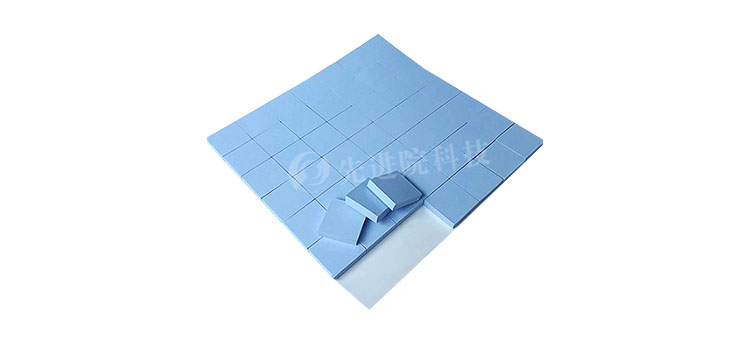
Main features:
- High toughness: able to withstand large deformations without breaking, suitable for various complex working conditions and installation environments.
- High thermal conductivity: It has excellent thermal conductivity and can quickly transfer heat from the heat source to the heat dissipation components.
- Good compressibility and resilience: capable of effectively filling the gaps between contact surfaces under pressure and restoring their original state after pressure release.
- Double sided micro adhesive: ensures a tight fit with the heat dissipation interface, reduces interface thermal resistance, and improves heat dissipation efficiency.
- Durability and operability: Adopting a special tough structure to increase durability and facilitate processing and installation.


 en
en  Español
 Français
 Português