Our main products include flexible substrate coating, shielding materials, absorbing materials, precious metal slurries, and more!

banner
Current:Home >Products >Thermal conductive material >High thermal conductivity gasket >Low permeability oil thermal pad
High thermal conductivity gasket
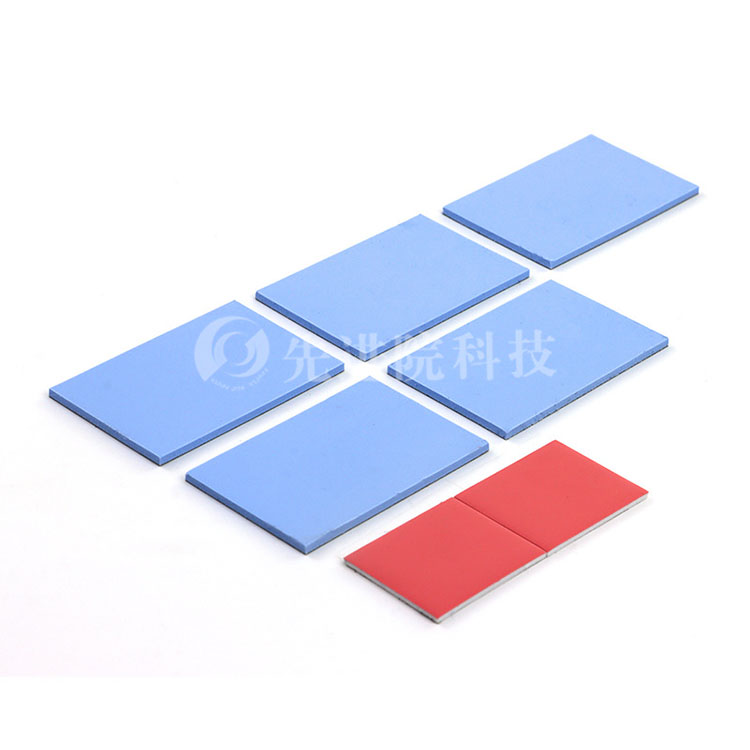
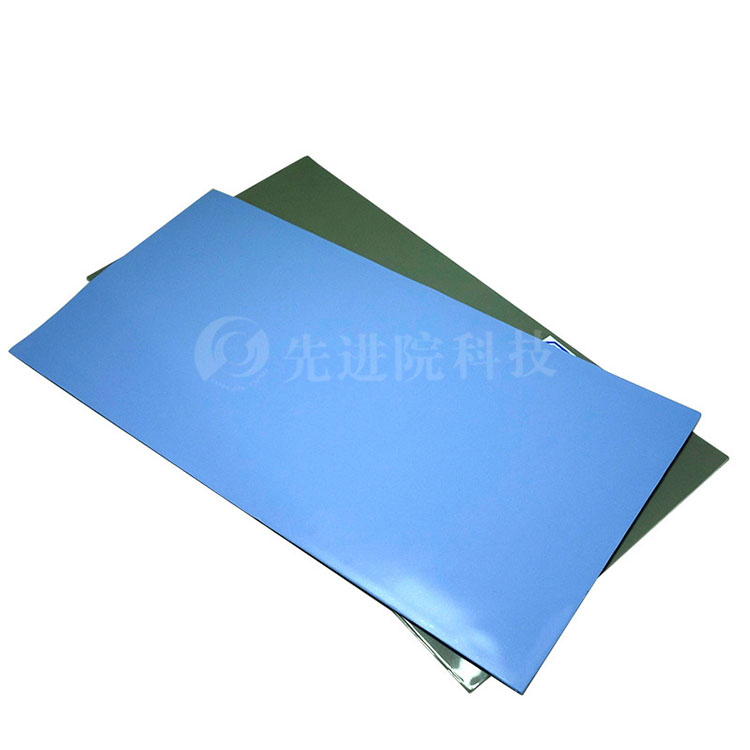
Low permeability oil thermal pad
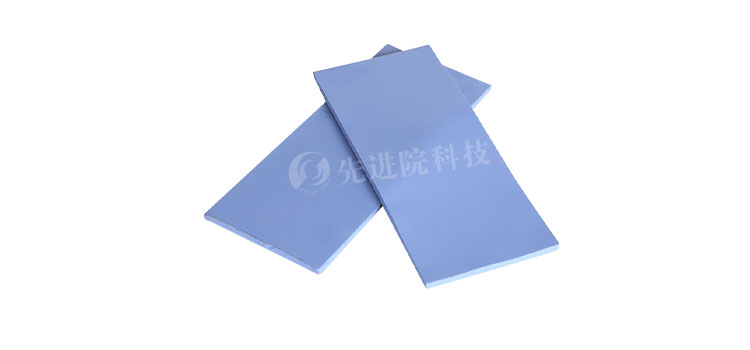
  • Low permeability oil thermal pad
  • Low permeability oil thermal pad
  • Low permeability oil thermal pad
  • Low permeability oil thermal pad
  • Low permeability oil thermal pad

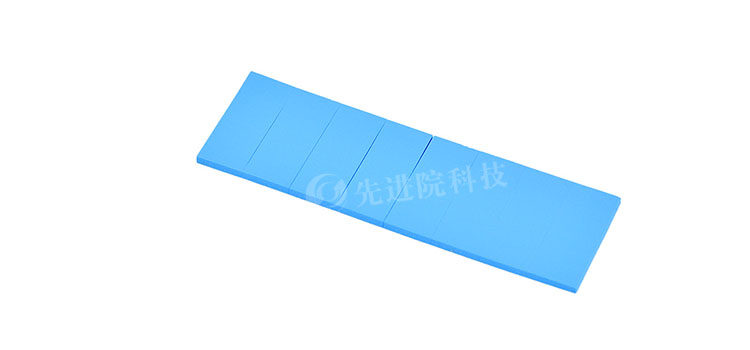
Low permeability oil thermal pad

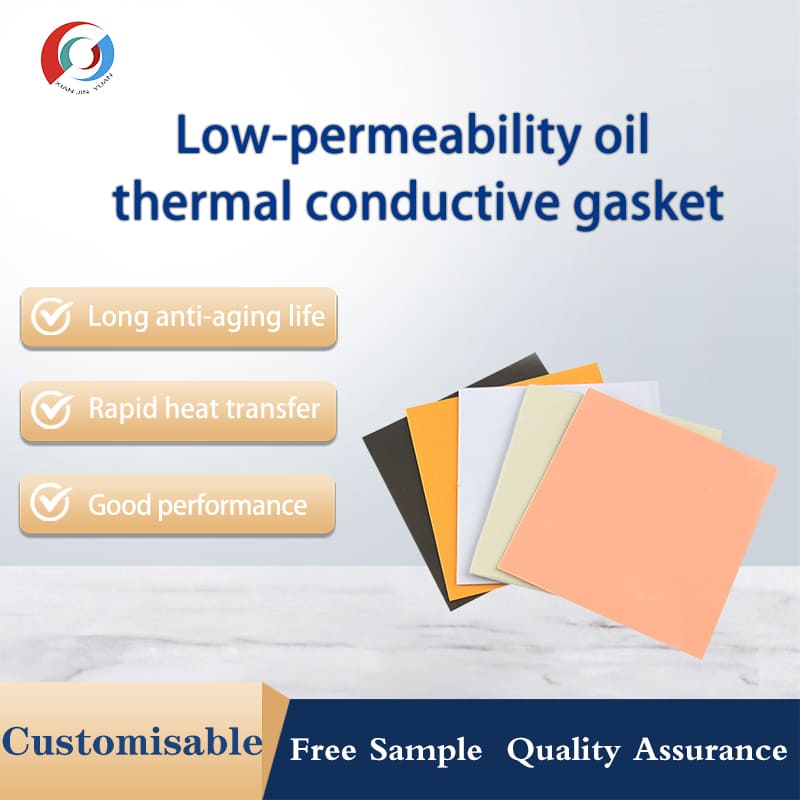
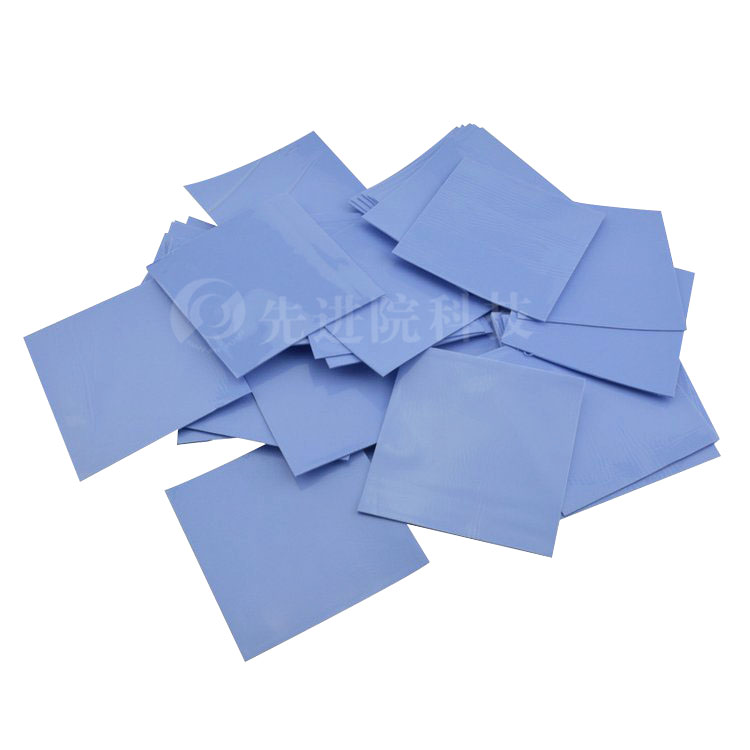
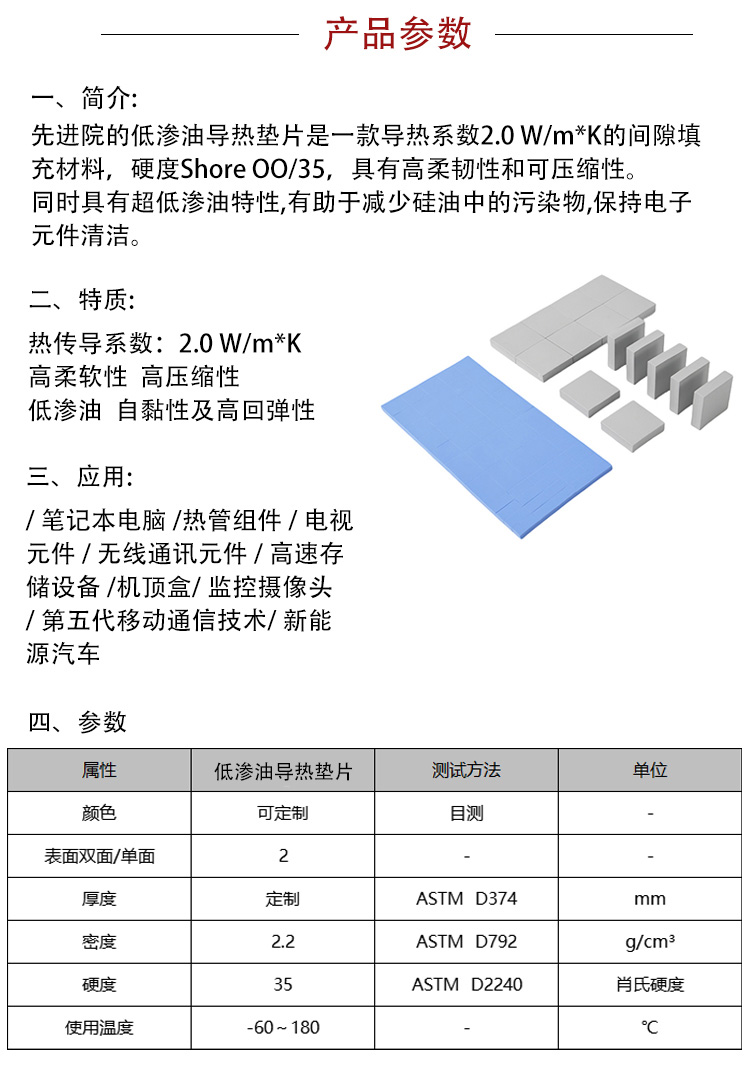
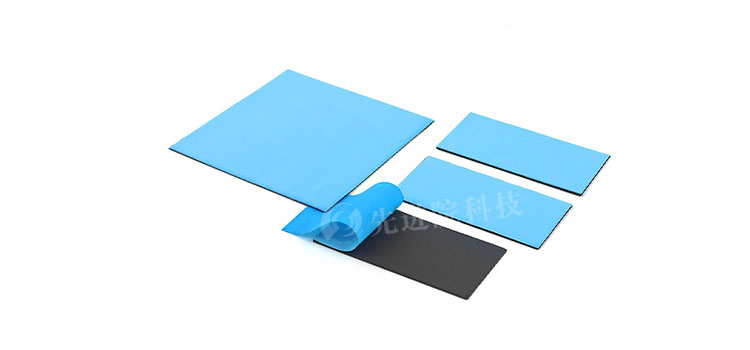
The low-permeability oil thermal pad is based on organic silicon polymer and filled with high thermal conductivity ceramic powder. Through special cross-linking formula and process control, it ensures thermal conductivity while significantly suppressing the precipitation of free silicone oil.

In terms of working principle, the thermal pad fills the interface air gap between the heating element and the heat dissipation component, forming an efficient thermal conduction path to conduct heat from the heating end to the heat dissipation end. The low-permeability oil characteristics are achieved by optimizing the molecular weight and crosslinking density of silicone oil: appropriately reducing the silicone oil content, increasing the proportion of high molecular weight silicone oil, and using specific reinforcing fillers can reduce the leakage and diffusion of free silicone oil under continuous compression and long-term thermal aging conditions.

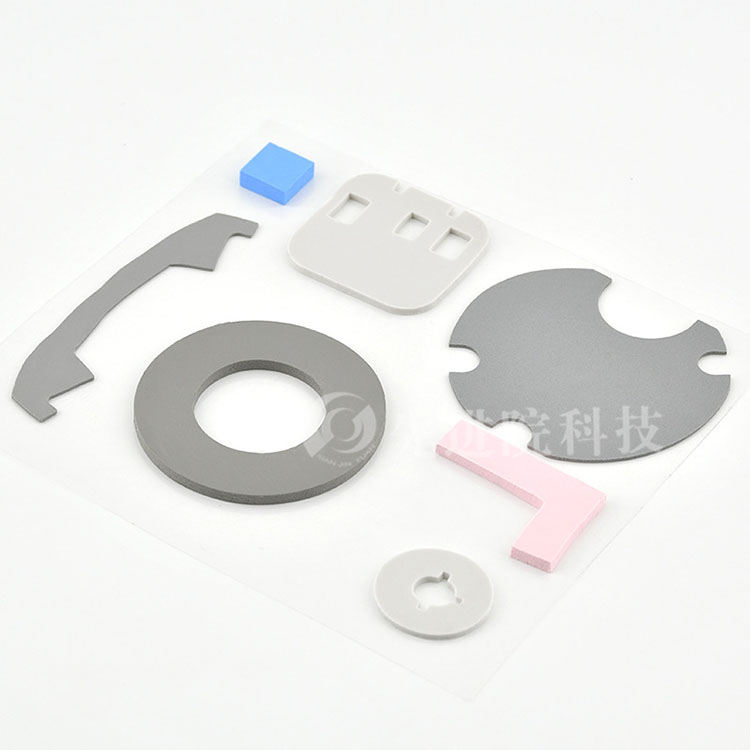
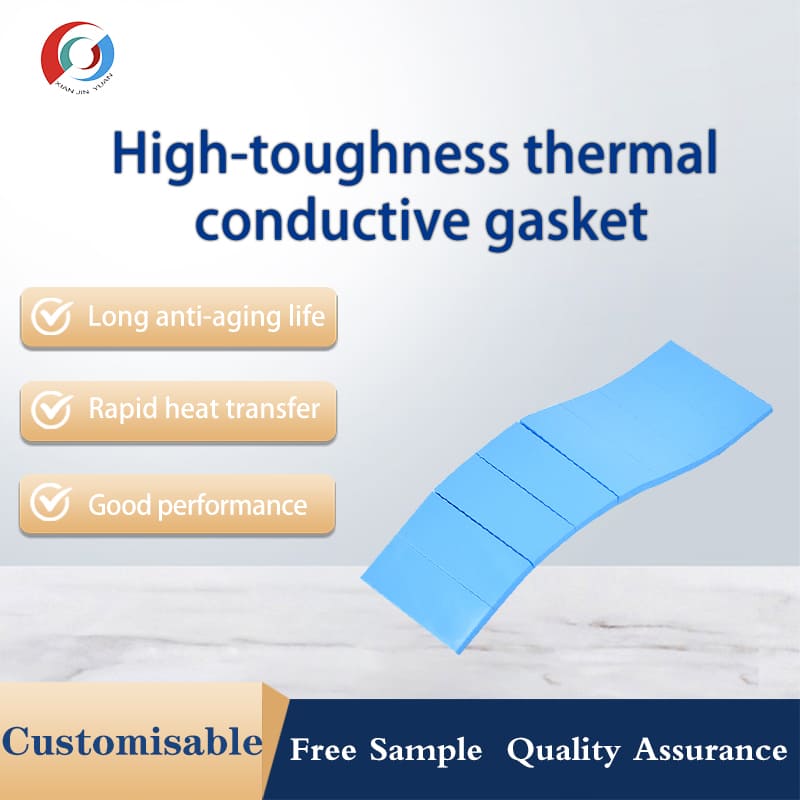
The product advantages are reflected in the following aspects. Ultra low oil leakage rate: After long-term compression and high-temperature aging tests, the precipitation amount is significantly lower than that of ordinary thermal pads, reducing the risk of contamination to sensitive components. Good thermal conductivity: The thermal conductivity can be selected within the range of 1.0W/m · K to 3.0W/m · K to meet the heat dissipation needs of precision electronic devices. Excellent compression resilience: With high compression deformation, it can effectively fill uneven interfaces and adapt to tolerance absorption under different installation pressures. Long term stability: The material can maintain stable physical and electrical properties even after aging, extending the service life of the equipment. Low volatile matter: Under heating conditions, there is less volatile matter, avoiding condensation and contamination of optical components in a closed chamber. Advanced Institute Technology supports customization of thermal conductivity, thickness, and size.


Hotline

+86-13826586185

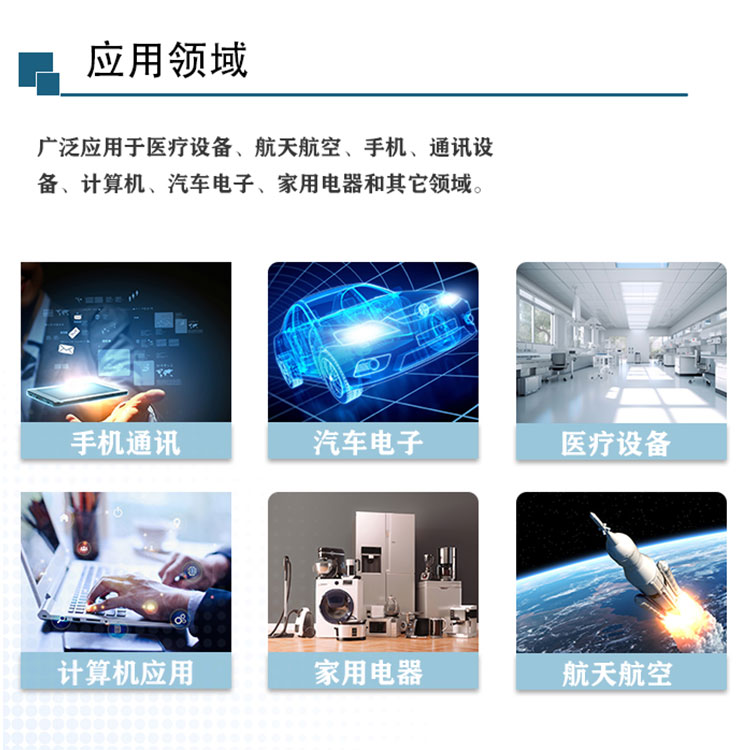
Low permeability oil thermal pad is a thermal conductive material designed specifically for industries sensitive to silicone oil. Its characteristic is that it produces less oil under continuous pressure, effectively reducing the failure rate of silicone oil sensitive equipment. This gasket is designed with a special formula and has good stability. It can be applied in multiple fields such as cameras, surveillance, optical communication, optical instruments, LED display devices, etc., ensuring stable performance of the equipment during long-term operation.
长图1.jpg


Production process:
  1. Raw material preparation: Select organic silicon polymers with low small molecule siloxane content as the main raw materials, and prepare appropriate amounts of thermal conductive fillers and additives.
  2. Mixing and stirring: Add the raw materials to the mixer according to the formula ratio, mix and stir thoroughly, and ensure that each component is evenly dispersed.
  3. Vacuum defoaming: Place the mixed material in a vacuum environment to remove bubbles and volatile substances, ensuring the density of the material.
  4. Forming processing: The material is formed into a gasket shape through rolling or extrusion processes to ensure dimensional accuracy and surface flatness.
  5. Vulcanization curing: vulcanizing the formed gasket at a specific temperature to cure and improve its physical properties.
长图3.jpg

Principle characteristics:

  1. Low oil permeability characteristics of materialsUsing organic silicon polymers with low small molecule siloxane content to reduce silicone oil leakage from the root and ensure long-term stability.
  2. Thermal conductive particle fillingFill high thermal conductivity particles (such as alumina and aluminum nitride) inside the material, and improve the overall thermal conductivity through the efficient thermal conduction path of solid particles.
  3. Dense structure designBy using multi-layer composite or surface coating technology, a dense structural layer is formed, which physically blocks the migration of silicone oil molecules to the surface and reduces the risk of oil leakage.
  4. Intermolecular cross-linking solidificationUsing chemical reactions to form cross-linked networks between organic silicon polymer molecules, fixing the positions of silicone oil molecules and reducing fluidity at high temperatures.
  5. Surface adsorptionAdd special coatings or adsorbents to capture uncrosslinked silicone oil molecules through physical adsorption, preventing them from seeping out onto the surface of the gasket.
长图2.jpg

应用领域.jpg

3.jpg

6385689925618558008317484.jpg

详情页模板_03.jpg

Recommended products
Hotline
0755-22277778
13826586185(Mr.Duan)
Wechat QRcode Wechat QRcode