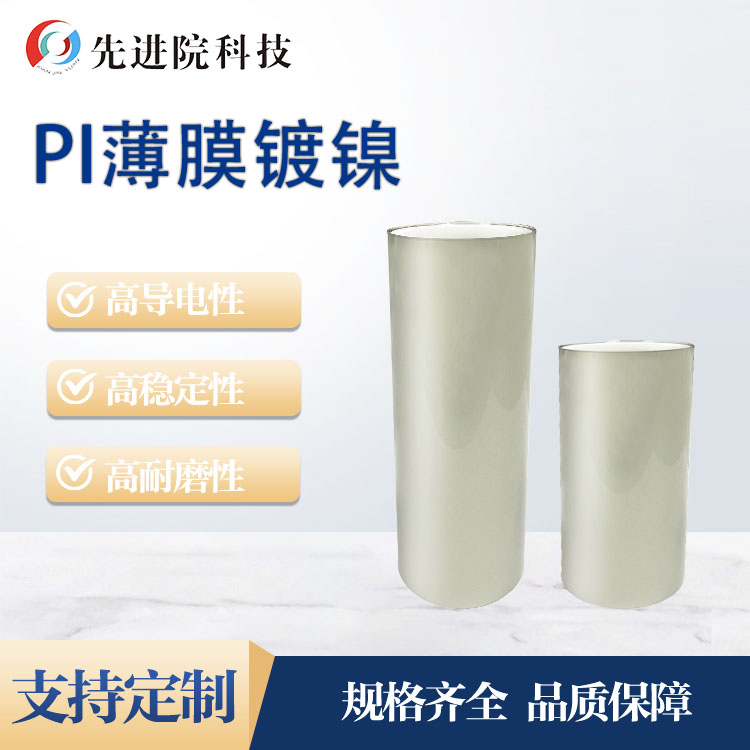
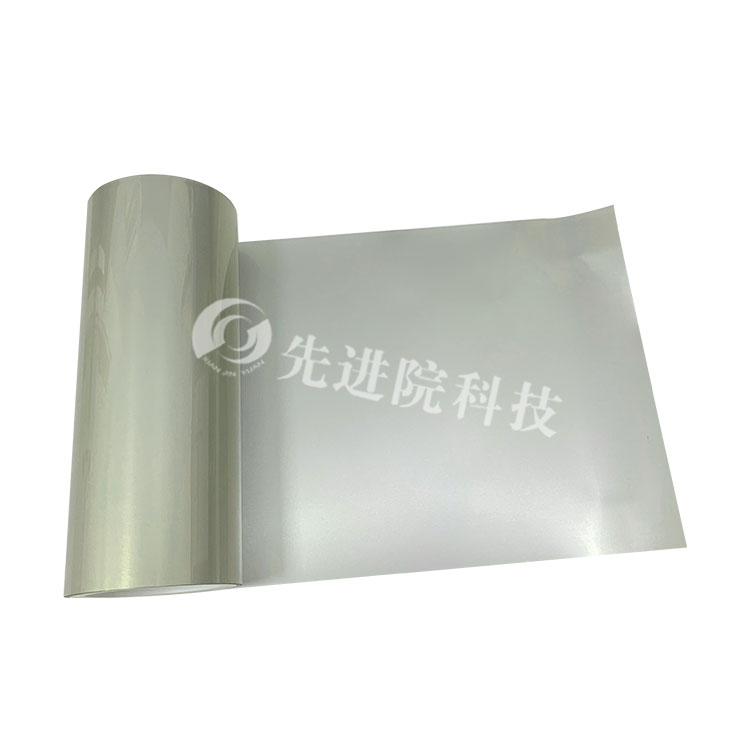
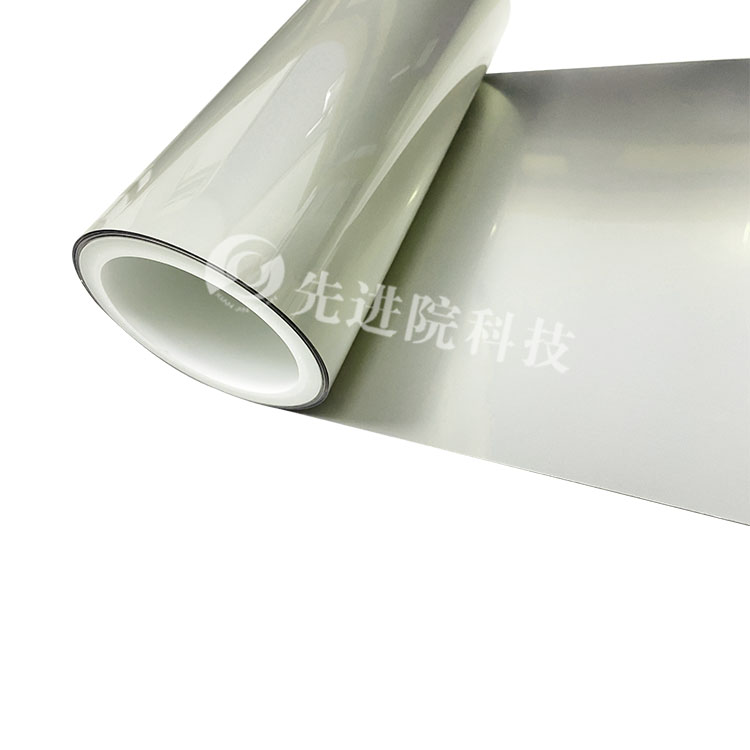
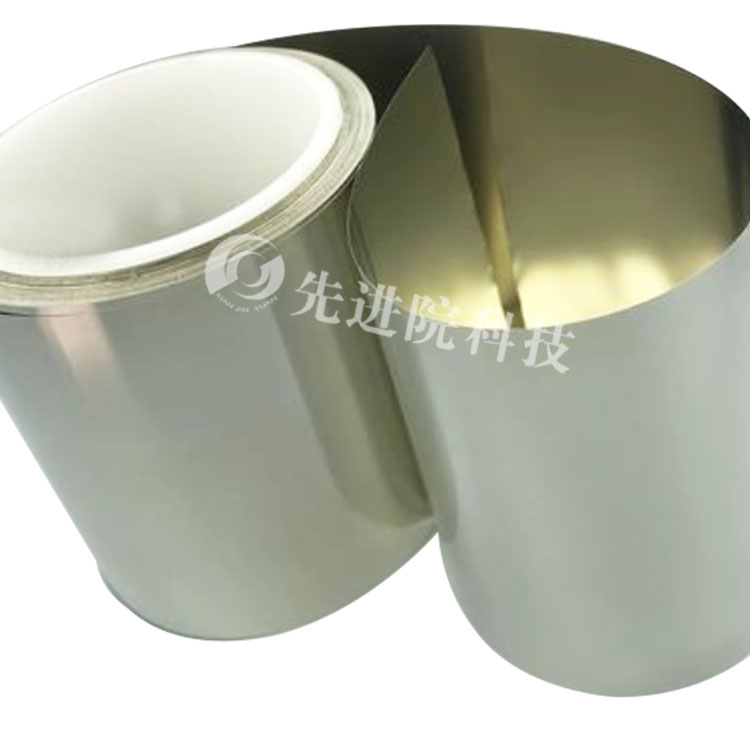
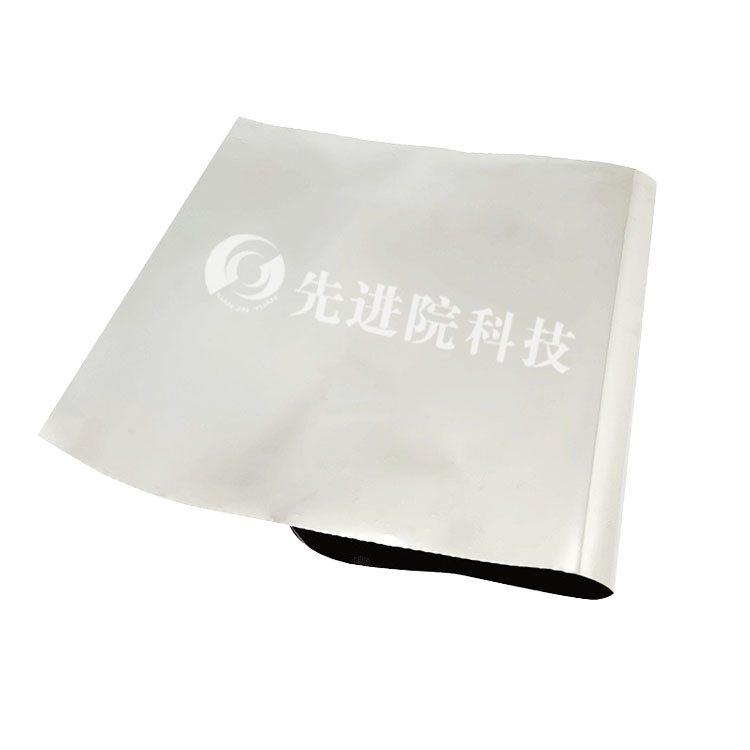
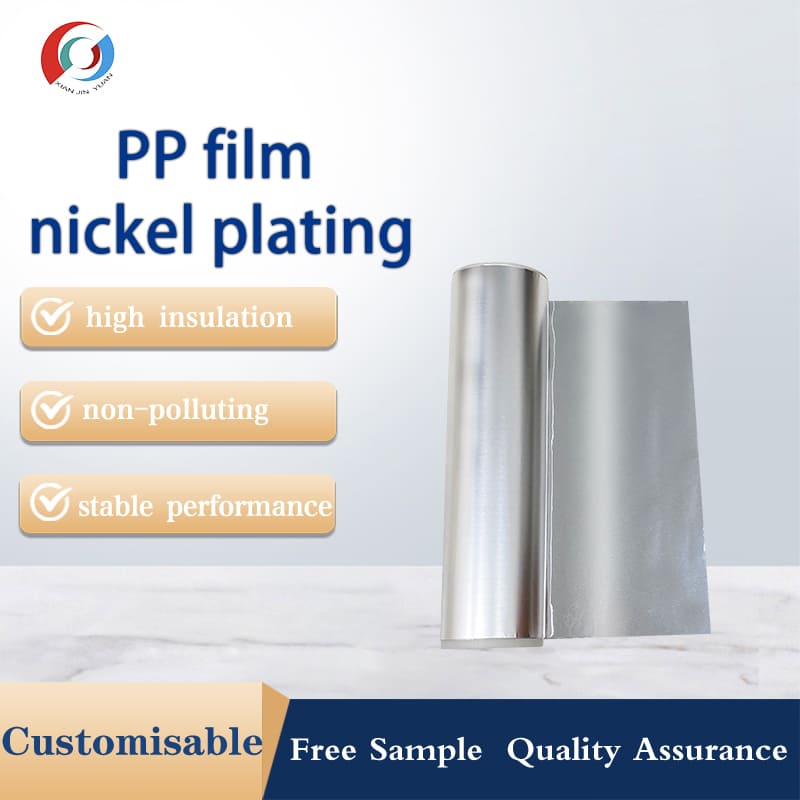
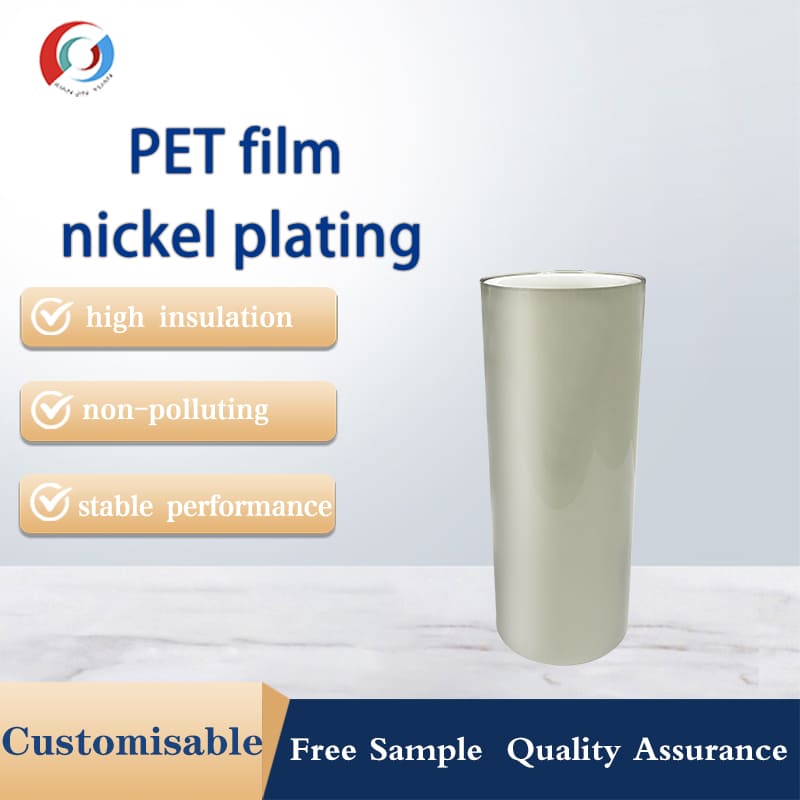
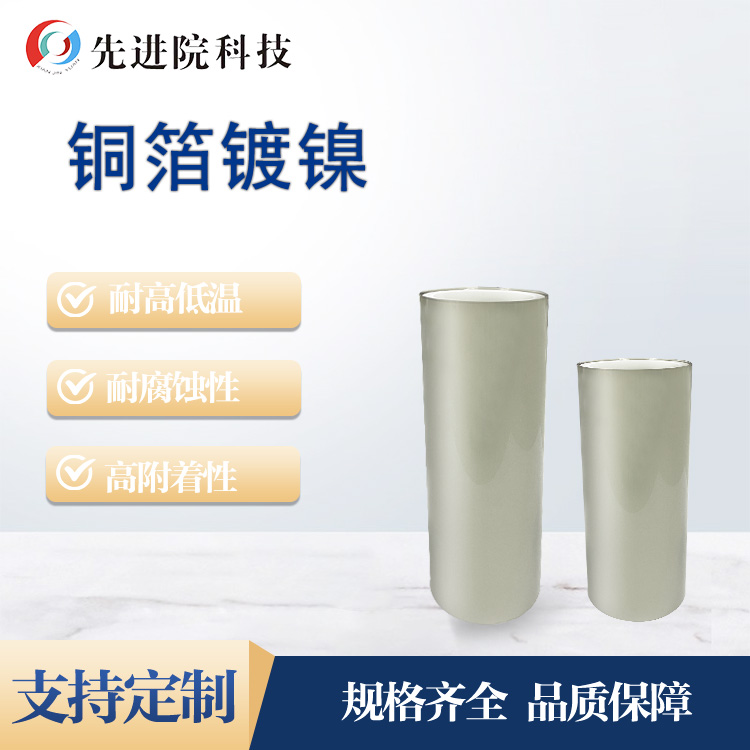
PI film nickel plating is a process of coating a layer of nickel metal on the surface of a polyimide (PI) film as a substrate through a specific process. This processing method not only retains the excellent characteristics of PI film, such as high temperature resistance, high stability, excellent mechanical and insulation properties, but also endows the product with good conductivity and corrosion resistance, thereby expanding its application fields.
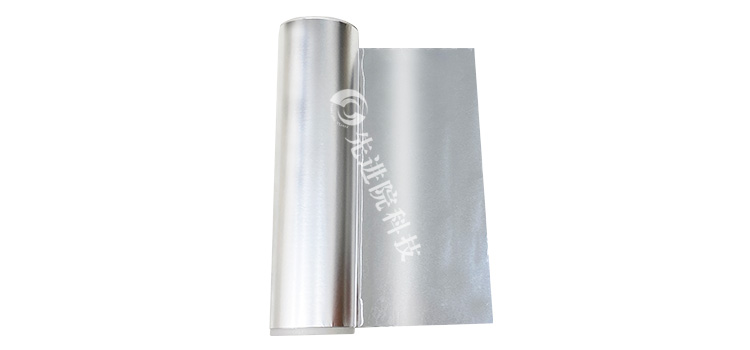
Characteristics of flexible nickel plating film products
High and low temperature resistance: PI film itself has excellent high and low temperature resistance, with a wide working temperature range, and can be stably used in the temperature range of -200 ° C to 300 ° C. After nickel plating, this characteristic is maintained, allowing the product to function normally even in extreme temperature environments.
Mechanical properties: PI film has high tensile strength and wear resistance, and can withstand large mechanical stresses without easily breaking. After nickel plating, its surface hardness is further improved, enhancing the durability and scratch resistance of the product.
Insulation performance: PI film itself has good insulation performance. Although a conductive layer is formed on the surface after nickel plating, the internal insulation performance is still maintained, making it suitable for occasions that require electrical insulation.
Conductivity: The nickel plating layer provides excellent conductivity for the product, allowing for effective current conduction, making it suitable for fields such as electronic components and sensors that require conductivity.
Corrosion resistance: Nickel metal has good corrosion resistance and can resist the erosion of various chemicals, extending the service life of products.
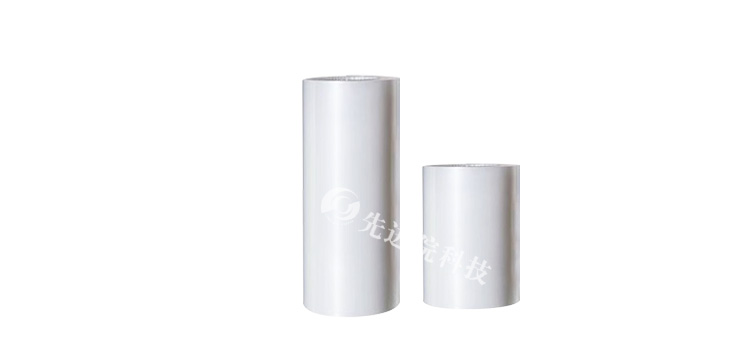
Production process of electroless nickel plated PI film
Preparation of PI film: PI film is prepared through resin polymerization, casting, directional stretching imidization, and post-treatment processes.
Surface treatment: Clean and activate the surface of PI film to improve the adhesion and uniformity of the coating.
Nickel plating treatment: A layer of nickel metal is deposited on the surface of PI film using electroplating or chemical plating methods.
Post treatment: Clean, dry, and inspect the PI film after nickel plating to ensure that the product quality meets the requirements.
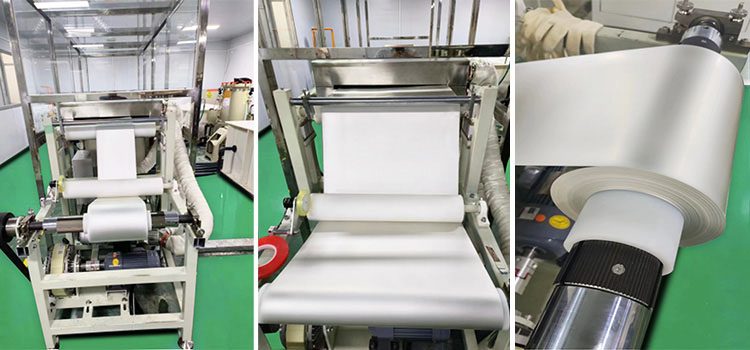
Workshop Display
Overview of High Reliability PI Thin Film Nickel Plating Application Fields
1、 High temperature electronic packaging and interconnection
Packaging and Interconnection of High Temperature Electronic Components: Utilizing the high-temperature resistance characteristics of PI (usually able to withstand temperatures above 200 ° C for a long time), nickel plated film is suitable for packaging and internal interconnection of electronic components working in high-temperature environments such as aerospace, military electronics, and automotive engine control units.
Enhancement and transition layer of flexible circuit board (FPC): In multi-layer flexible boards or rigid flex boards, PI nickel plating can be used as a key "bottom layer" or shielding layer. The nickel layer can enhance the adhesion between metal lines and PI substrates, and serve as an excellent substrate for subsequent copper plating, which is crucial for micro via metallization. It can also be used as a part of the circuit or as a ground layer.
2、 High performance electromagnetic shielding
Electromagnetic shielding of precision electronic devices: The nickel plating layer provides good conductivity, enabling the material to effectively reflect and absorb electromagnetic waves. Experiments have shown that in the frequency range of 1MHz to 1GHz, its shielding effectiveness can reach 40-60dB or more, which is suitable for solving electromagnetic interference problems in medical equipment, precision instruments, and communication modules.
Shielding materials in harsh environments: Due to the high and low temperature resistance (-40 ° C to 150 ° C) and chemical resistance of PI substrate, PI nickel plating film is suitable for environments with severe isothermal changes or corrosive gases in automotive electronics and outdoor base stations, providing stable shielding performance.
Special shielding fabrics and composite materials: By applying nickel plating technology to PI fibers, high-performance conductive fibers and textiles can be made for electromagnetic shielding solutions that are flexible, wearable, and resistant to harsh environments in aerospace, military, and other fields.
3、 Flexible functional devices and emerging fields
Flexible sensors and actuators: Combining the magnetic properties of nickel with the flexibility of PI, it can be used to manufacture flexible magnetic sensors, microelectromechanical system actuators, etc.
New energy device electrodes: PI films treated with nickel plating and metallization can be used as flexible substrates for the preparation of photoelectrodes or conductive substrates for new energy devices such as dye-sensitized solar cells.
Special corrosion-resistant components: The nickel layer itself has a certain degree of corrosion resistance, combined with the chemical stability of PI, this material can be used in certain corrosion-resistant conductive scenarios that require lightweight and flexibility.

 en
en  Español
 Français
 Português