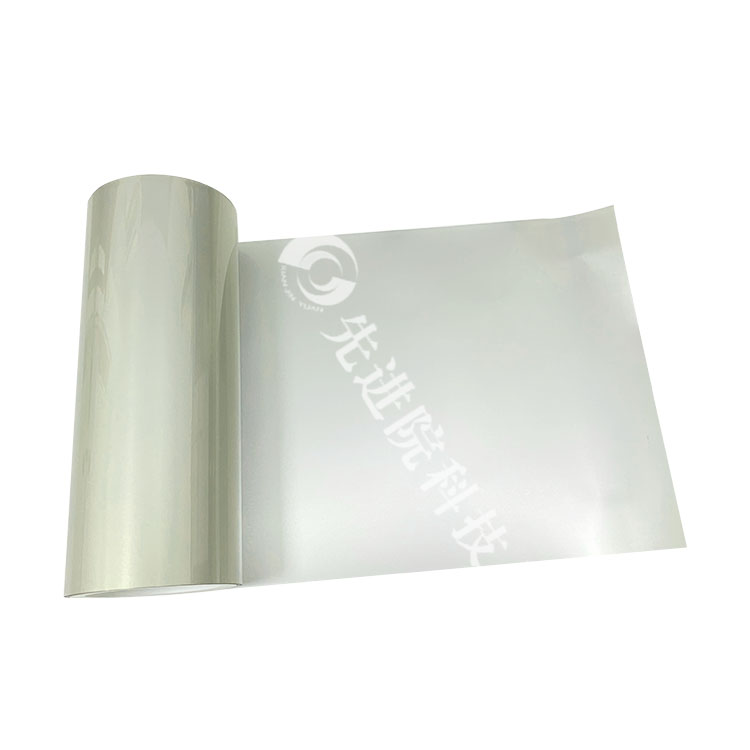
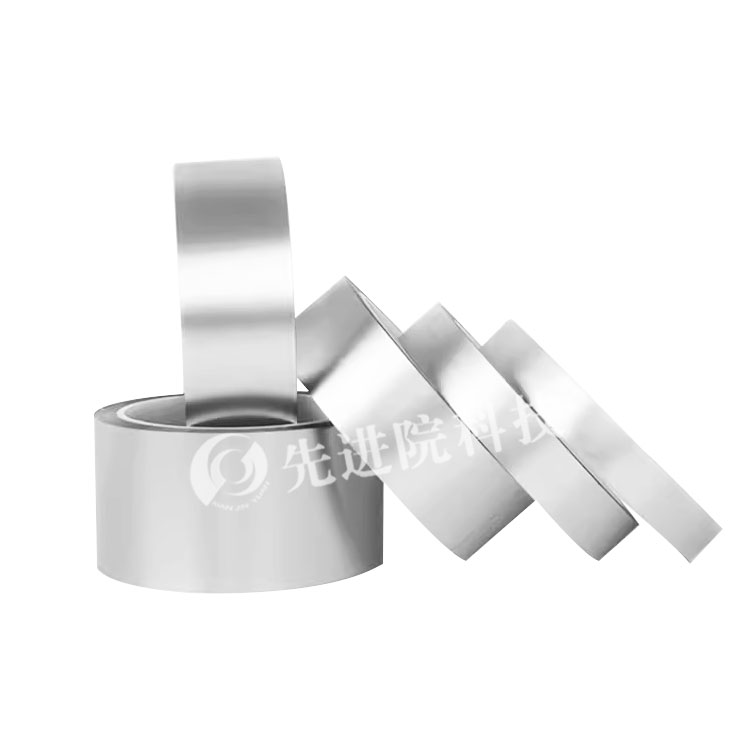
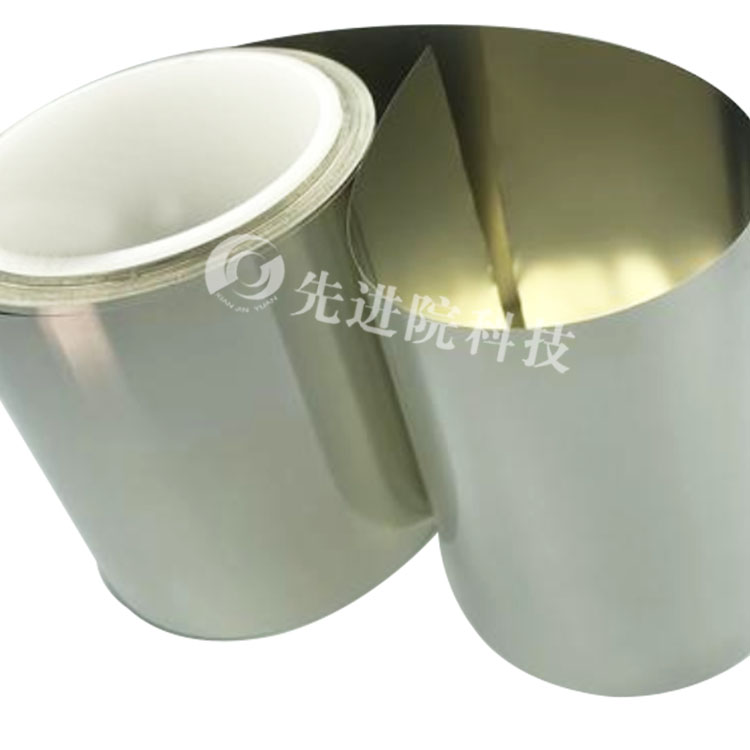
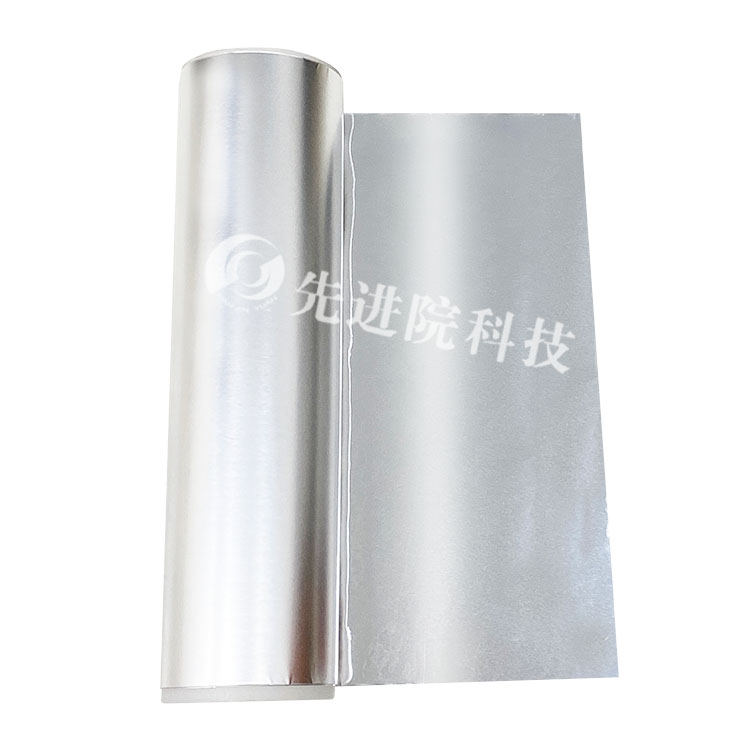
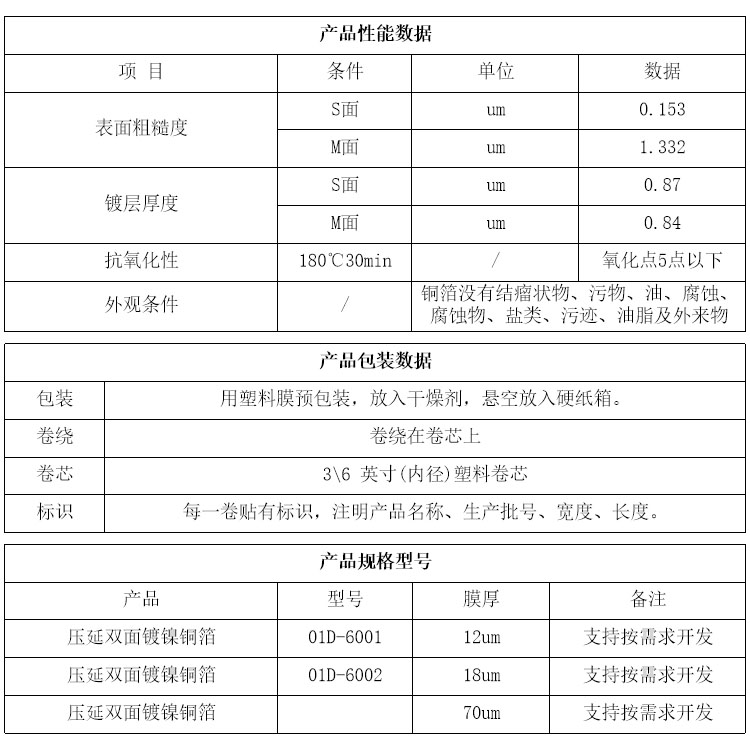
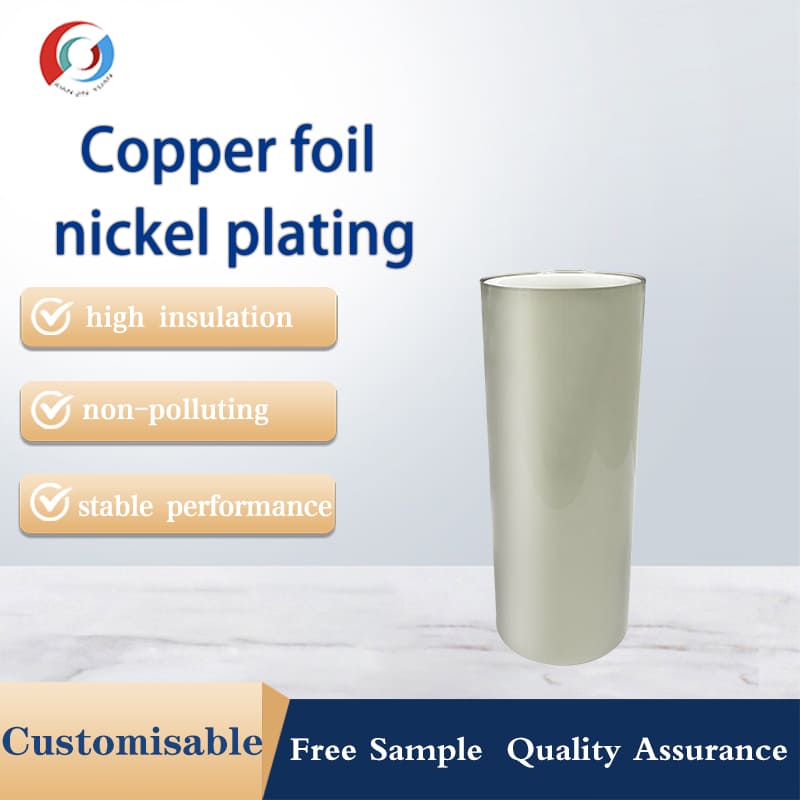
Rolled double-sided nickel plated copper foil is a high-performance composite material made by uniformly coating both sides of the rolled copper foil with a layer of nickel metal. This product not only retains the excellent conductivity and ductility of copper foil, but also significantly improves its corrosion resistance, wear resistance, and aesthetics, thus meeting the application needs of more high-end fields.
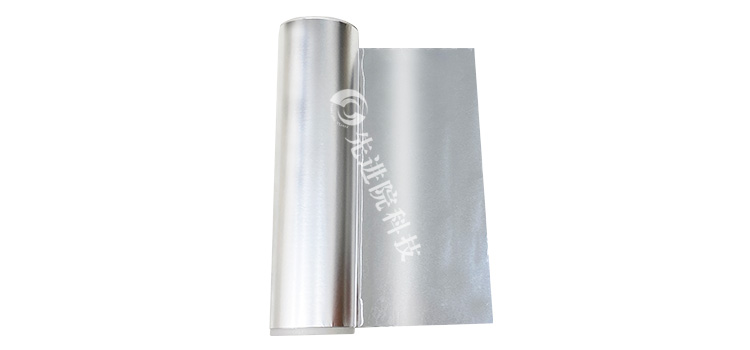
Characteristics of surface treated rolled copper foil products
-
Excellent conductivity: Rolled copper foil itself has good conductivity, and double-sided nickel plating further ensures the stability of its conductivity, making it suitable for high-frequency transmission and the manufacturing of precision electronic devices.
-
Excellent corrosion resistance: The nickel coating provides an effective protective barrier for copper foil, which can resist the erosion of corrosive substances such as acid, alkali, salt, etc., extending the service life of the product.
-
Good machinability and formability: The surface of the rolled double-sided nickel plated copper foil is flat and smooth, making it easy for subsequent mechanical processing and forming treatment, meeting the requirements of complex processes.
-
High hardness and wear resistance: Nickel plating increases the surface hardness of copper foil, giving it better wear resistance and maintaining stable performance in harsh working environments.
-
Aesthetic appearance: The nickel plated copper foil surface presents a uniform and bright metallic luster, enhancing the overall aesthetic of the product.
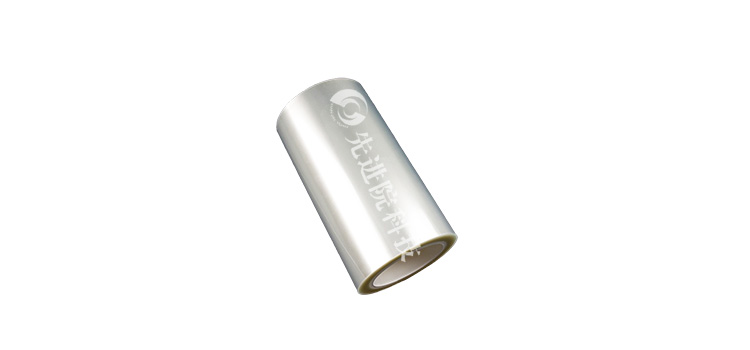
Production process of rolled double-sided nickel plated copper foil
-
Preparation of Rolled Copper Foil: High purity copper is selected as the raw material and processed through rolling technology to produce copper foil with the required thickness and width.
-
Surface pretreatment: Clean, remove dirt, and oil from the surface of copper foil to ensure good adhesion between the coating and the copper foil substrate.
-
Nickel plating treatment: Using electroplating or chemical plating methods, a layer of nickel metal is uniformly plated on both sides of the copper foil. The electroplating process requires precise control of parameters such as current, voltage, and plating solution composition to ensure the uniformity and quality of the coating.
-
Post treatment: Clean and dry the nickel plated copper foil to remove residual chemical reagents and moisture, and perform necessary surface treatment to improve its performance.
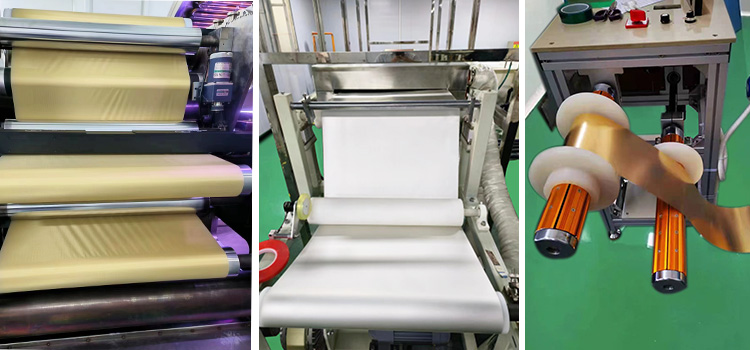
Workshop Display
Overview of application fields of high ductility nickel plated copper foil
1、 High end flexible printed circuit board
High density interconnect flexible board and rigid flex joint board: used for the flexible circuit part of 5G millimeter wave antenna modules, high-end camera modules, military radar and other equipment. Its extremely low surface roughness reduces the "skin effect" loss in high-frequency signal transmission, and double-sided nickel plating provides stable solderability and comprehensive protection for the copper layer.
Dynamic bending part circuit: suitable for FPC parts that require over 100000 bending cycles, such as flip phone hinges, industrial robot joint harnesses, and car folding screens. The microstructure of rolled copper foil makes its bending resistance much better than electrolytic copper foil, and the nickel plating layer further enhances its fatigue resistance.
Chip level packaging substrate: used as a packaging carrier for high-end chips such as CPUs, GPUs, FPGAs, etc. Ultra thin (such as ≤ 12 μ m) and dimensionally stable rolled nickel plated copper foil is an ideal choice for making fine circuits. The nickel layer can effectively block the diffusion of copper atoms at high temperatures.
2、 Advanced battery technology
High energy density/fast charging lithium-ion battery negative electrode current collector:
Improving fast charging performance: The smooth rolled surface can reduce the uneven deposition of lithium during charging and discharging, suppress lithium dendrite growth, and enhance safety.
Enhanced interface stability: Double sided nickel plating provides a stronger bonding and more stable chemical reaction substrate for new high-capacity negative electrode materials such as silicon carbon, delaying capacity decay.
Improving mechanical strength: When used as an extremely thin (such as 6 μ m) current collector, its high tensile strength can reduce the risk of breakage during battery assembly.
Metal negative electrode current collector for solid-state batteries: In solid-state battery systems, nickel plating can form a more stable interface with the solid electrolyte, suppress side reactions, and is an important solution in current research and development.
3、 Precision electronic components
Ultra thin electromagnetic shielding and grounding: used for shielding the interior walls of satellite and aerospace electronic equipment or grounding precision modules. Its material is homogeneous, lightweight, and can be processed into complex shapes, providing comprehensive shielding.
High performance wireless charging coil: used as a substrate for wireless charging coils in mobile phones, smartwatches, and new energy vehicles. Low surface roughness reduces AC resistance and improves transmission efficiency; The nickel plating layer ensures long-term oxidation resistance.
High precision sensors and diaphragms: used for microelectromechanical system acoustic sensors, high fidelity speaker voice coils, etc. The excellent consistency and low residual stress of materials are the key to ensuring the consistency of device performance parameters.
4、 High frequency and high-speed applications
Millimeter wave transmission line: In flexible transmission lines for 77GHz automotive radar and microwave communication equipment, its smooth surface is the key to achieving low insertion loss.
High frequency connector inner conductor: used as the central conductor of high-frequency coaxial connectors to ensure stable contact resistance under repeated insertion and vibration.

 en
en  Español
 Français
 Português