Our main products include flexible substrate coating, shielding materials, absorbing materials, precious metal slurries, and more!

banner
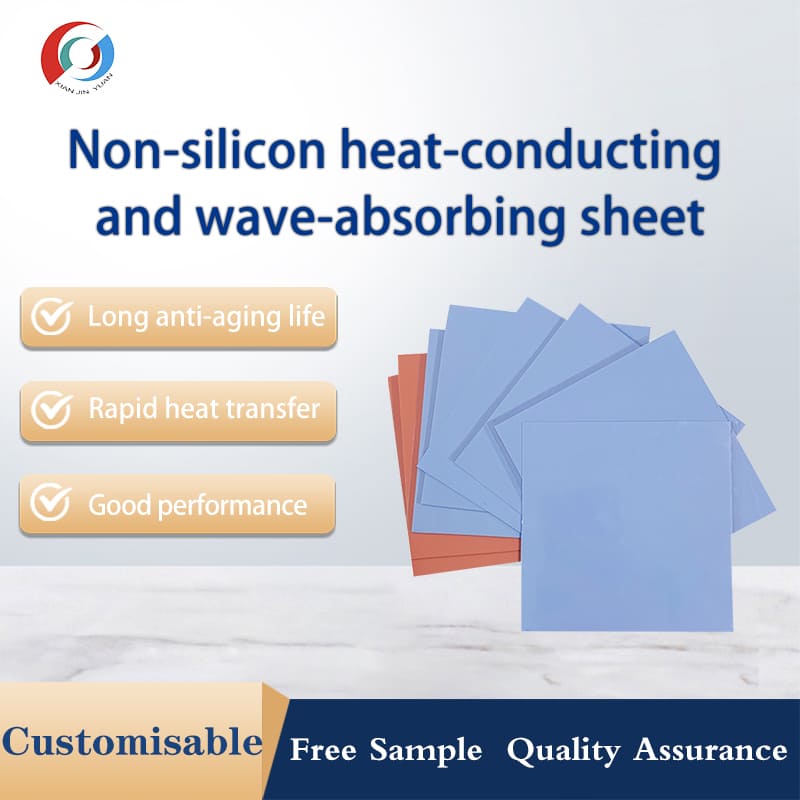
Non silicon high thermal conductivity gasket
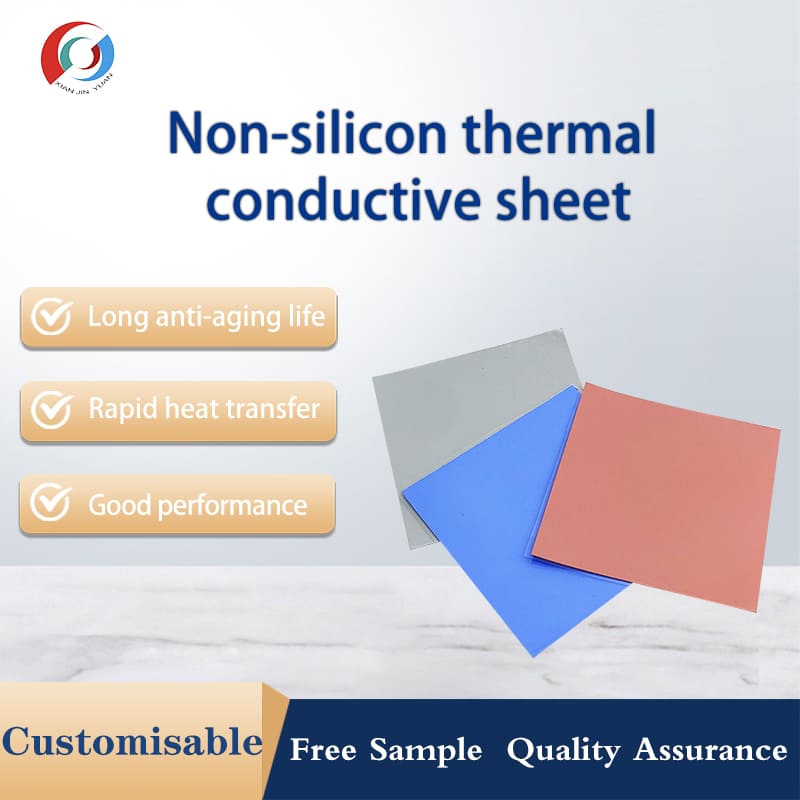
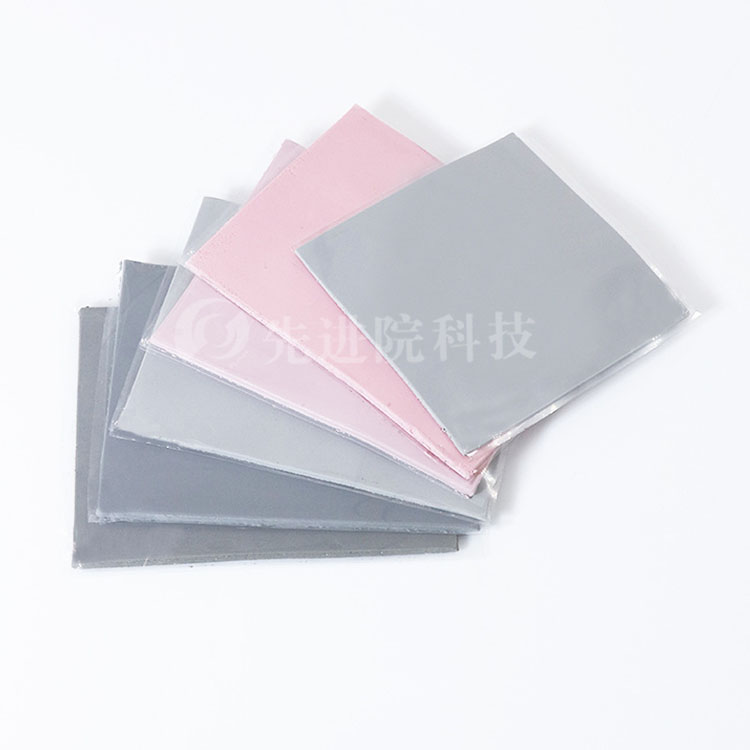
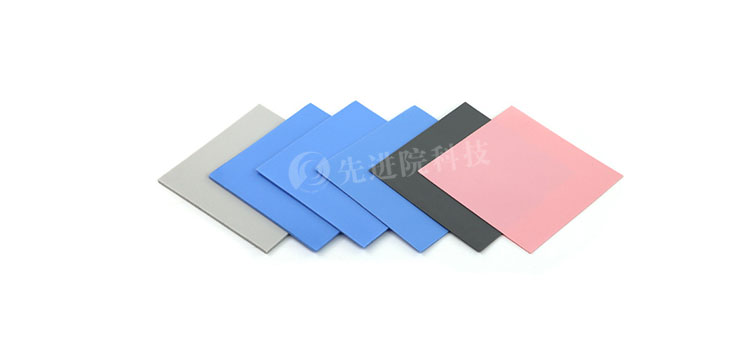
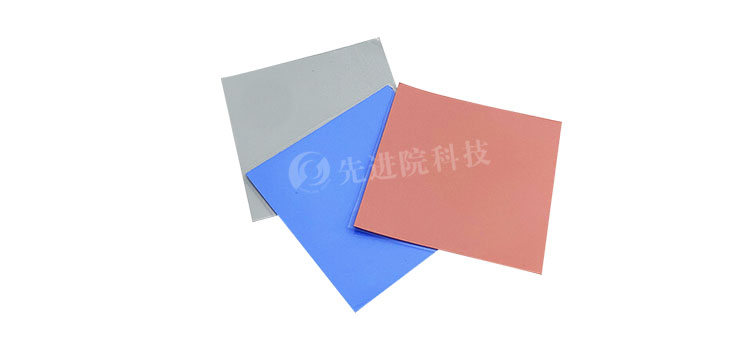
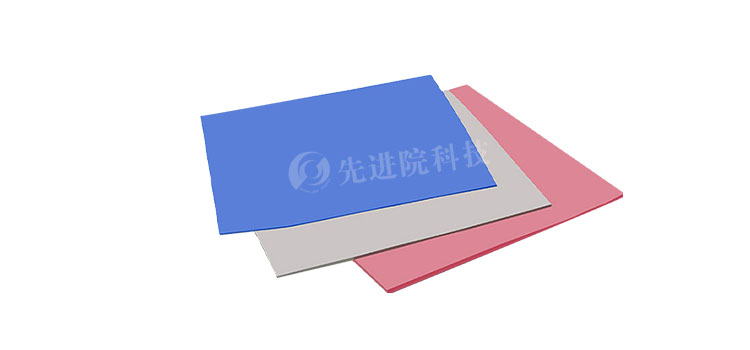
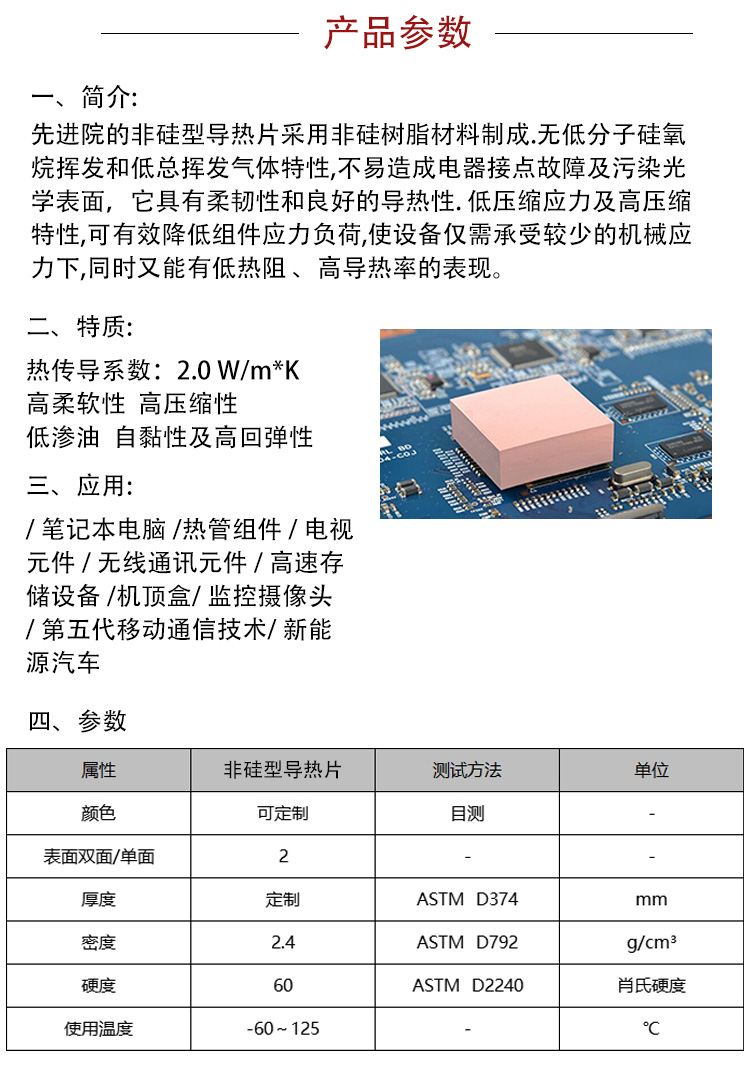
Non silicon thermal conductive sheet
  • Non silicon thermal conductive sheet
  • Non silicon thermal conductive sheet
  • Non silicon thermal conductive sheet
  • Non silicon thermal conductive sheet
  • Non silicon thermal conductive sheet

Non silicon thermal conductive sheet

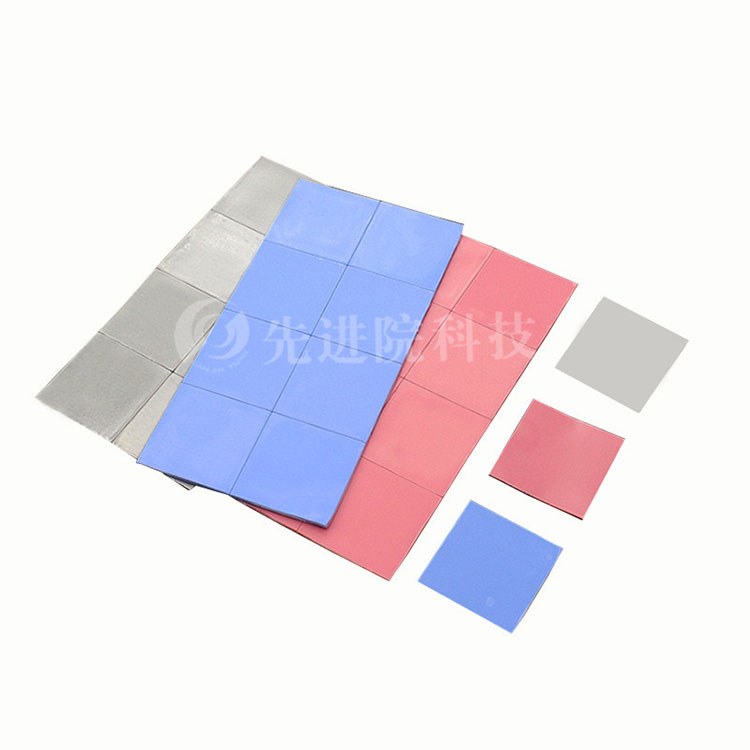
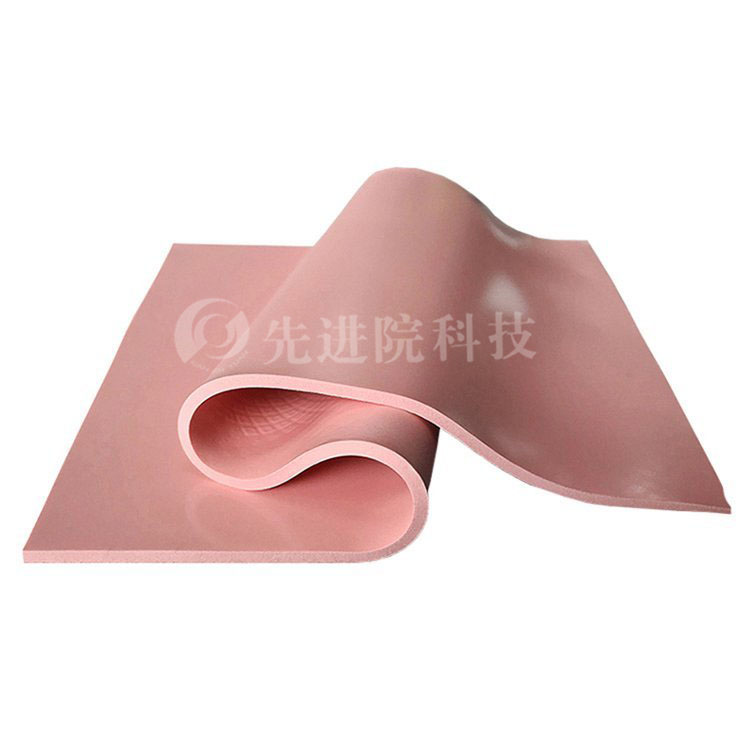
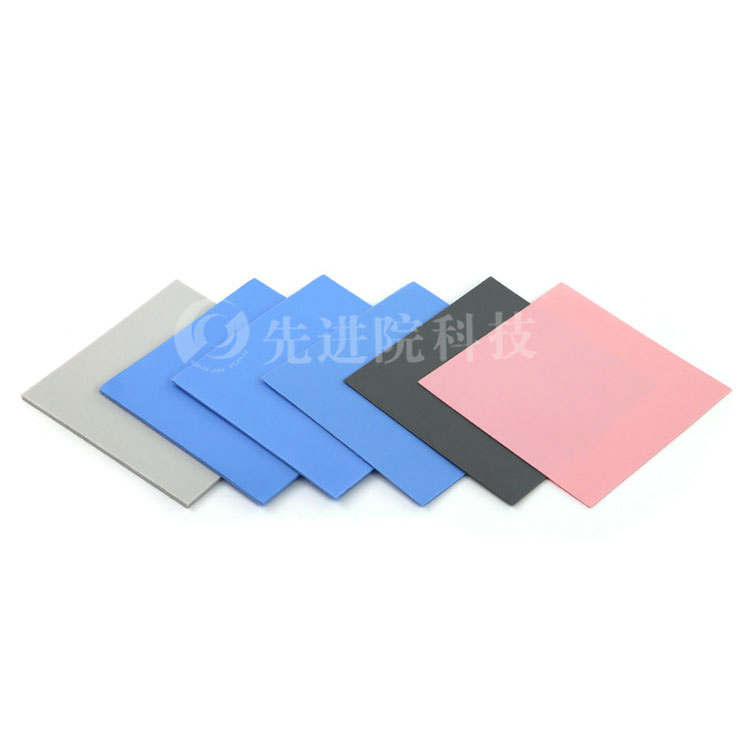
The non silicon thermal conductive sheet is composed of a non silicon polymer matrix and high thermal conductivity ceramic fillers such as alumina and boron nitride. The matrix does not contain polysiloxane segments, and a special resin formula is used to achieve high filling volume and interface wettability of thermal conductive fillers, ensuring thermal conductivity efficiency. The product is supplied in sheet form, double-sided micro adhesive or coated with release film.

The working principle is based on interface heat conduction. The thermal conductive sheet is filled between the heating element and the heat sink, and with the flexibility of the material, it adheres to the micro unevenness of the contact surface, eliminates the air layer, and constructs a continuous thermal conductive path. The design without silicone oil avoids the pollution of optical lenses, electrical contacts, and precision circuits caused by the volatilization and migration of silicone under high temperature or long-term compression in traditional silicon-based thermal conductive materials.

The product advantages are reflected in the following aspects. No silicon pollution: zero silicone oil precipitation and volatilization, protecting precision components. Good thermal conductivity, meeting various heat dissipation needs. Electrical insulation: high breakdown voltage and volume resistivity. Excellent temperature resistance: can be used for a long time at -40 ℃ to 150 ℃. Advanced Institute Technology supports customization of thermal conductivity, thickness, and size.


Hotline

+86-13826586185

        Non silicon thermal conductive sheet is a type of thermal conductive material that does not contain silicone oil components. It achieves excellent thermal conductivity through the synergistic effect of special resin substrate and high-efficiency thermal conductive filler. Its characteristics of no silicone oil precipitation and low volatility are particularly suitable for high-precision electronic and optical equipment fields that are sensitive to silicon pollution.

长图.jpg

Production process:
  1. Ingredient PreparationSelect liquid acrylic rubber and other silicone free resins as substrates, and add thermal conductive powders (such as alumina, boron nitride, etc.) and additives (such as vulcanizing agents, antioxidants, etc.).
  2. mix and stirAdd the raw materials to the mixer according to the formula ratio, and perform vacuum kneading and stirring to ensure that all components are evenly mixed.

  3. vulcanization moldingPut the mixed rubber material into the mold and perform hot pressing vulcanization under vacuum conditions to solidify the material into shape.
  4. post-processingAfter cooling and cutting the vulcanized thermal conductive sheet, obtain non silicon thermal conductive sheets that meet the size and performance requirements.

长图2.jpg

Production principle:

  1. Silicon free substrate thermal conductivityUsing non silicone resin (such as liquid acrylic rubber) as the substrate, heat is transferred through the vibration and collision of its molecular chains to achieve the thermal conductivity function of the substrate itself.
  2. High thermal conductivity filler reinforcementAdding fillers with high thermal conductivity (such as alumina and boron nitride) forms a thermal conductivity network through direct contact between filler particles, significantly improving overall thermal conductivity efficiency.
  3. Optimization of interface thermal resistanceBy modifying the interface between the filler and the substrate, the interface thermal resistance is reduced, promoting efficient heat transfer between the filler and the substrate.
  4. Dense structure designThrough vulcanization molding process, a dense three-dimensional network structure is formed to reduce voids and defects, ensuring the continuity and stability of the heat transfer path.
  5. No silicone oil precipitation guaranteeThe substrate does not contain silicone oil components, fundamentally avoiding pollution and performance degradation caused by silicone oil precipitation under high temperature or long-term use.

长图3.jpg

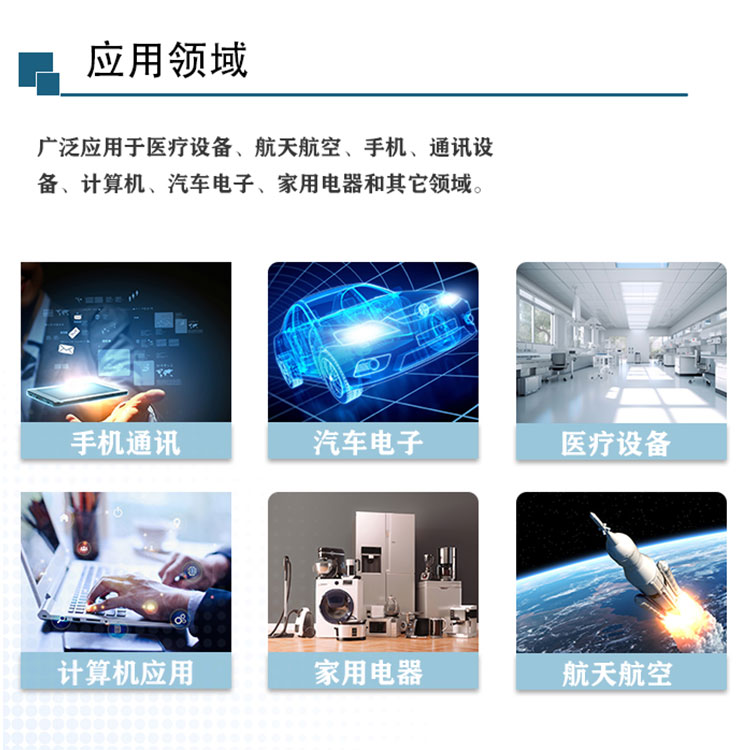
应用领域.jpg

3.jpg

6385689925618558008317484.jpg

详情页模板_03.jpg

Recommended products
Hotline
0755-22277778
13826586185(Mr.Duan)
Wechat QRcode Wechat QRcode