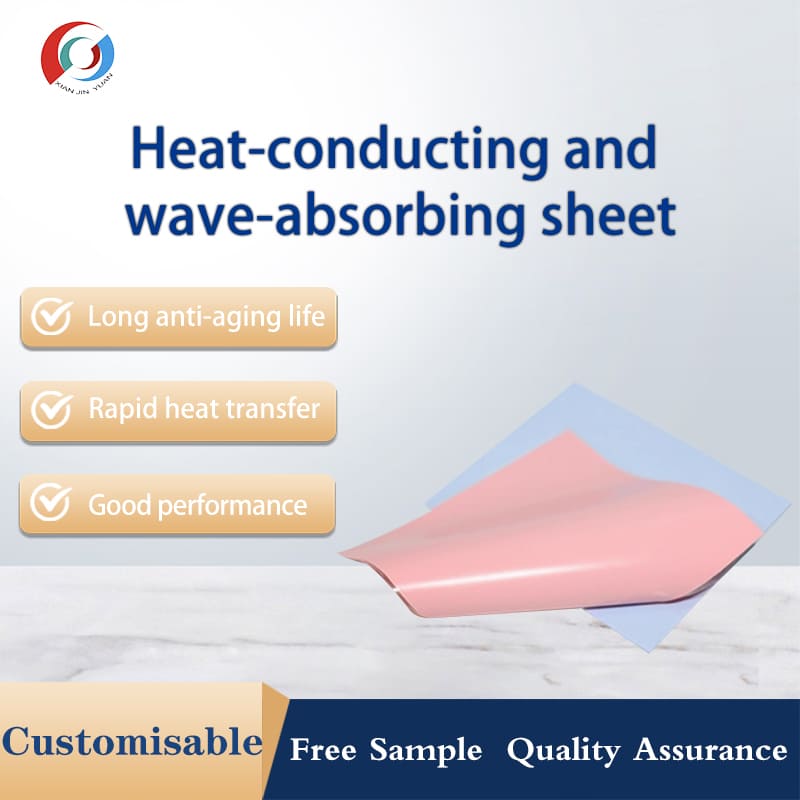
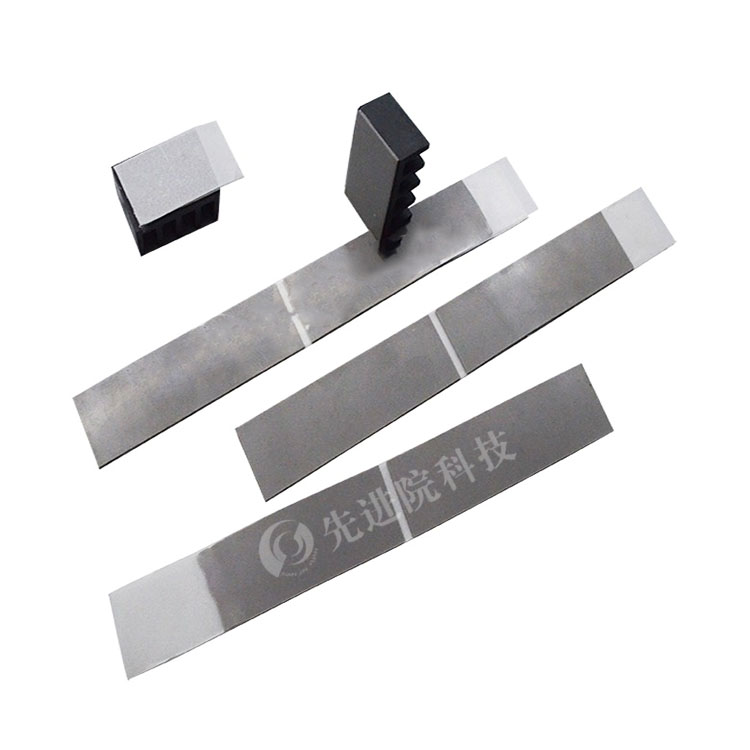
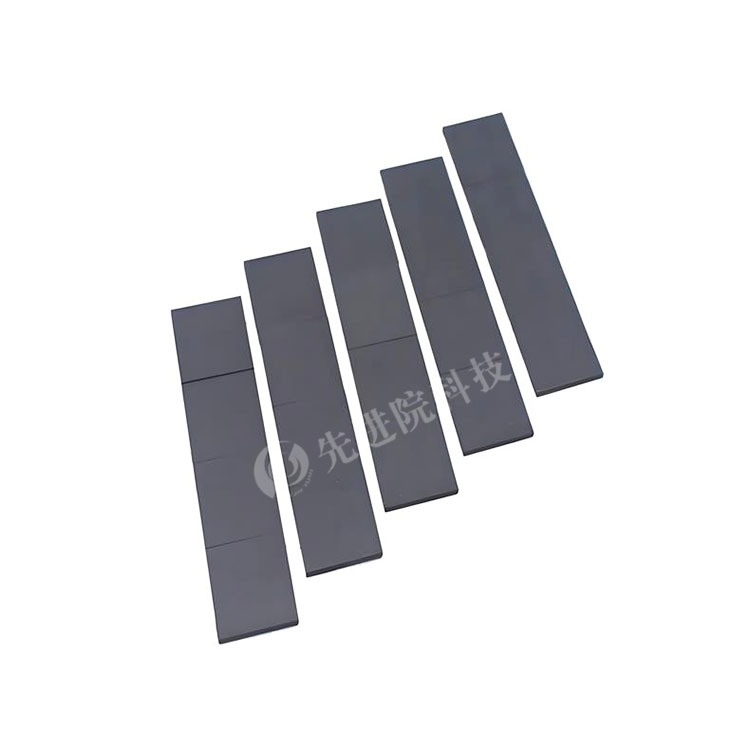
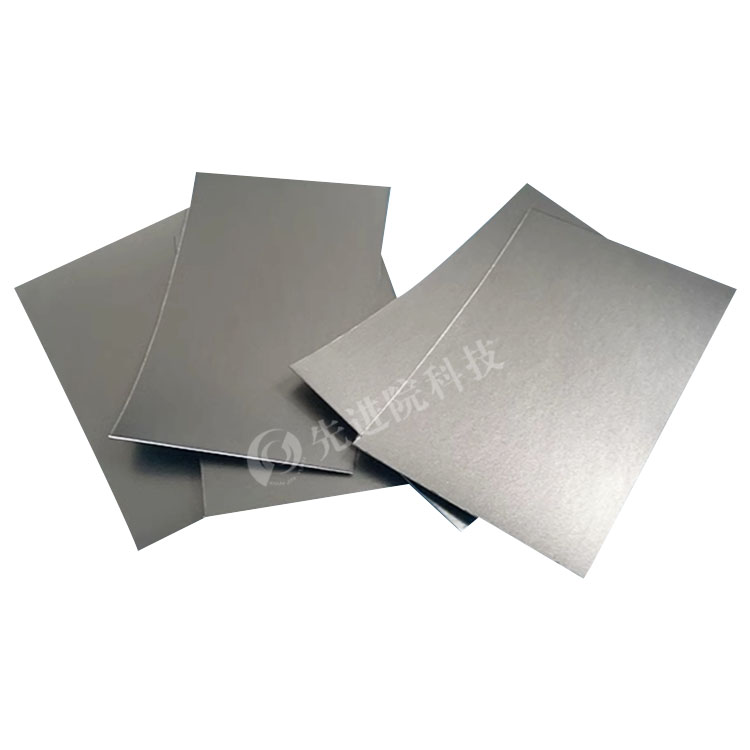
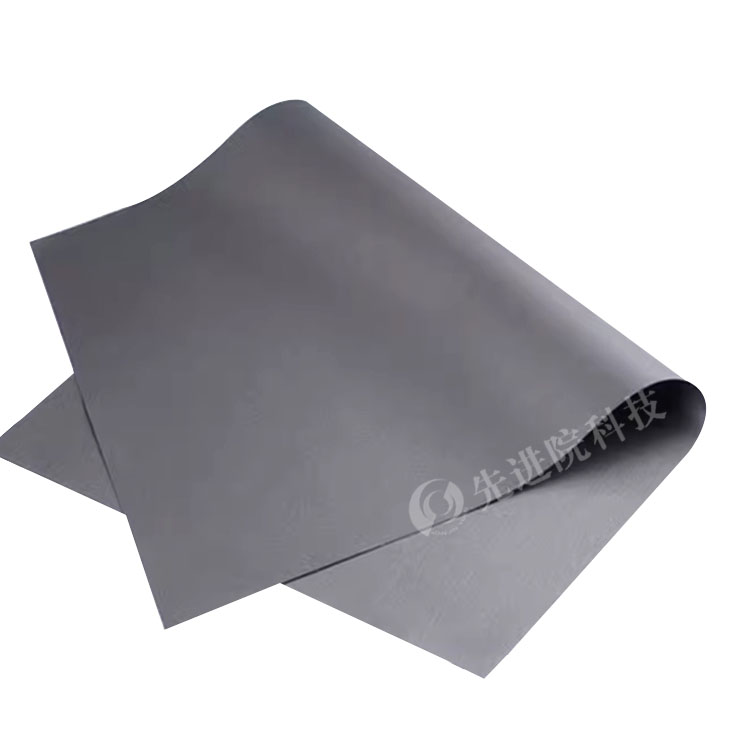
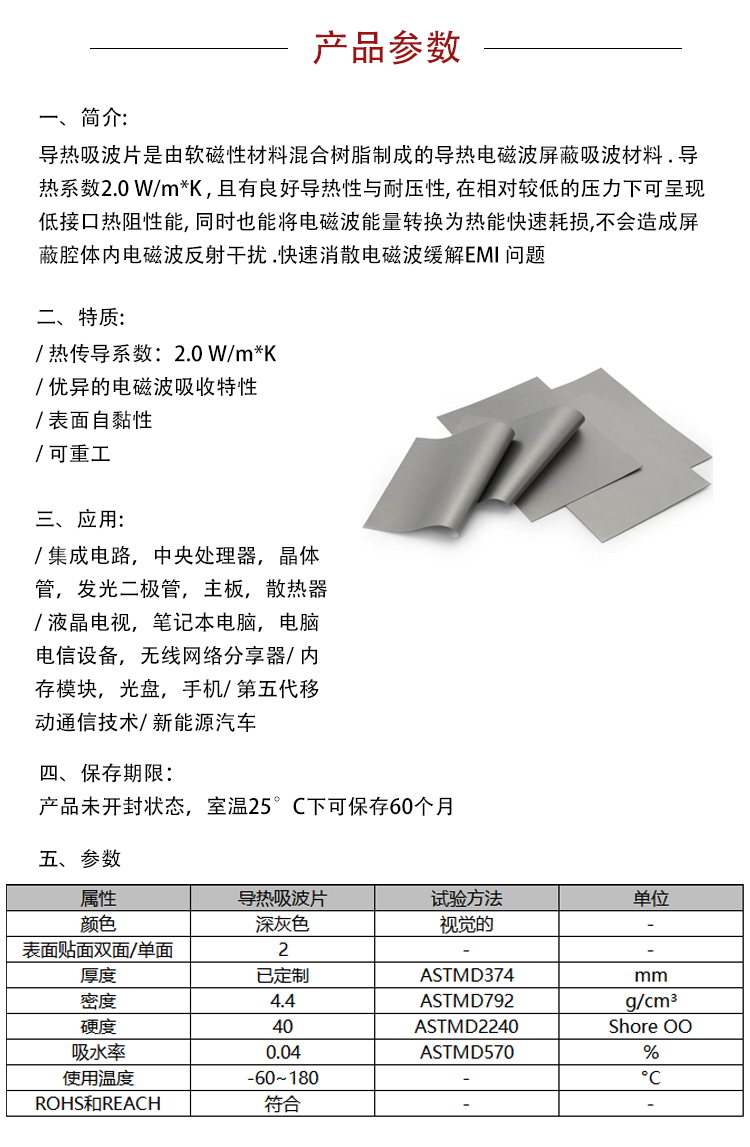
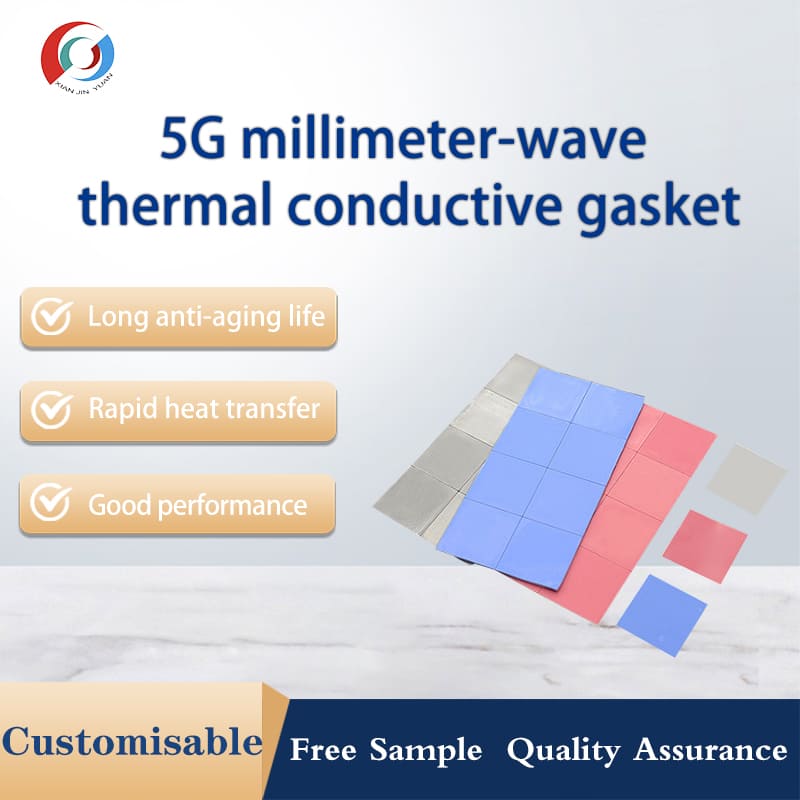
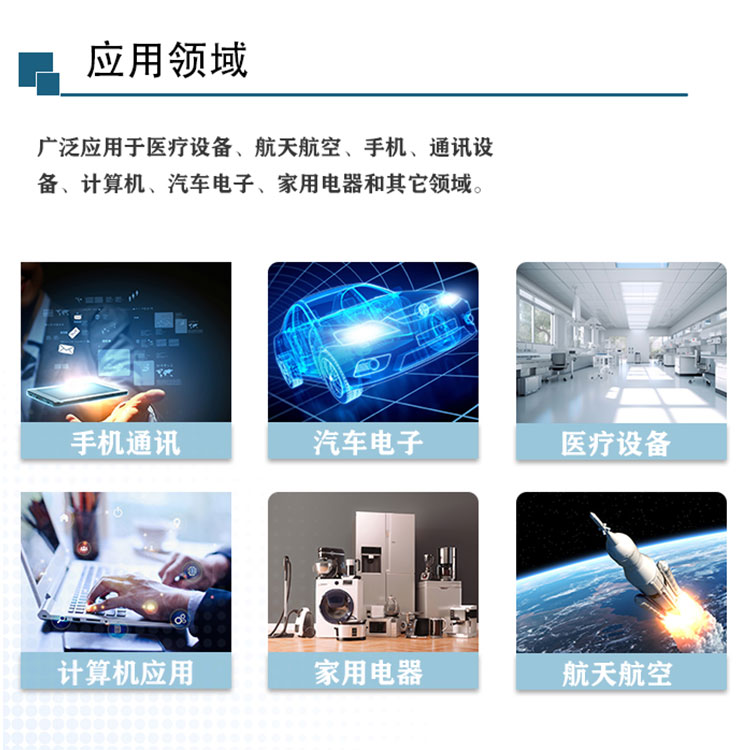
Thermal conductive absorbing plate is a composite material that integrates thermal conductivity and electromagnetic wave absorption functions. It can dissipate heat while absorbing electromagnetic radiation, and has the characteristics of flame retardancy, flexibility, temperature resistance, and environmental protection. It is suitable for communication, automotive, consumer electronics and other scenarios.
Production process:
Raw material preparation
Thermal conductive filler treatment: Insulation thermal conductive materials such as boron nitride and aluminum oxide require surface modification to ensure uniform dispersion.
Absorbing agent processing: Magnetic materials (such as ferrites) need to be ground to the micrometer/nanometer level to avoid agglomeration and affect performance.
Slurry mixing
Mix thermal conductive fillers, absorbers, and matrix materials (silicone, polyurethane, or epoxy resin) to form a uniform slurry.
Viscosity needs to be controlled to ensure the feasibility of coating or rolling processes.
Coating/Rolling Forming
Coating method: The slurry is formed into a thin film by scraping or roller coating, suitable for thin products (0.1~0.5mm).
Rolling method: Suitable for thick or multi-layer composite structures through hot pressing molding.
Curing and post-processing
Heat curing or UV curing to shape the material and stabilize its performance.
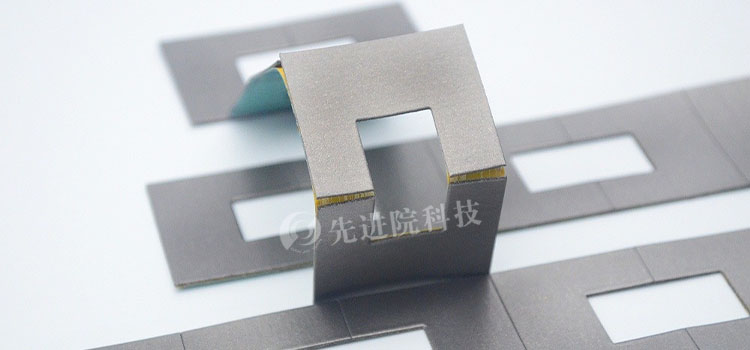
Some products require surface coating with release film or adhesive layer to facilitate subsequent installation.
Cutting and Testing
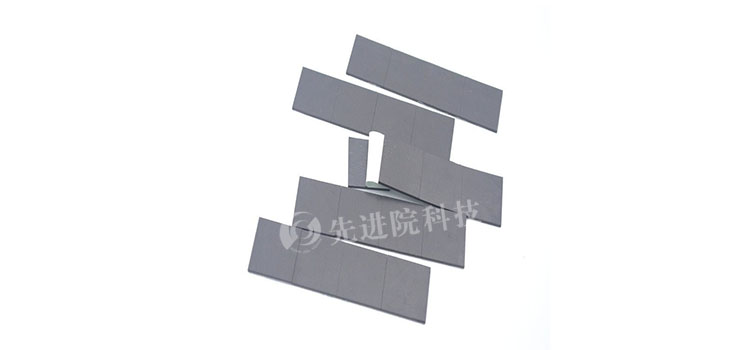
Cut into the required size and conduct tests on thermal conductivity, absorption performance, and insulation.
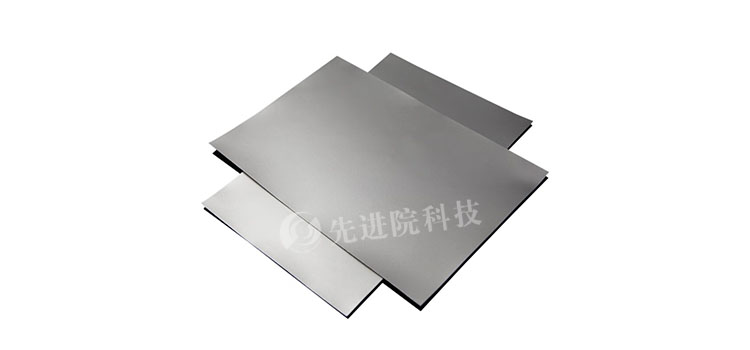
The production of thermally conductive wave absorbing plates relies on precise material ratios and molding processes, and its principle is to solve heat dissipation and electromagnetic interference problems synchronously through composite structures. When using, attention should be paid to installation methods, environmental matching, and maintenance cycles to ensure long-term reliability. This type of material has key application value in the fields of 5G, new energy, and high-end electronics.

 en
en  Español
 Français
 Português