Our main products include flexible substrate coating, shielding materials, absorbing materials, precious metal slurries, and more!

banner
Current:Home >Products >Thermal conductive material >Thermal conductive tape >High insulation thermal conductive sheet
Thermal conductive tape
High insulation thermal conductive sheet
  • High insulation thermal conductive sheet
  • High insulation thermal conductive sheet
  • High insulation thermal conductive sheet
  • High insulation thermal conductive sheet
  • High insulation thermal conductive sheet

High insulation thermal conductive sheet

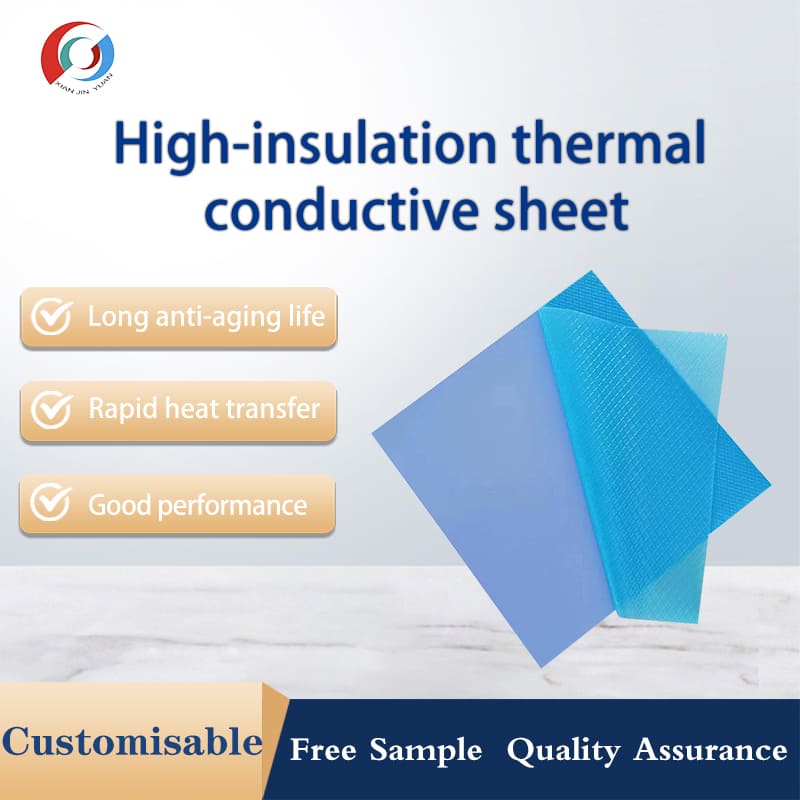
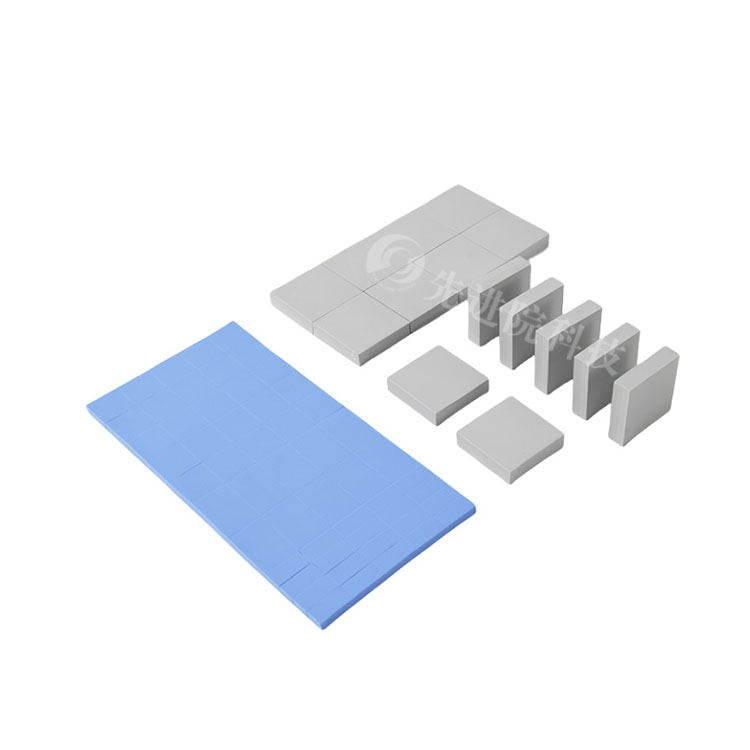
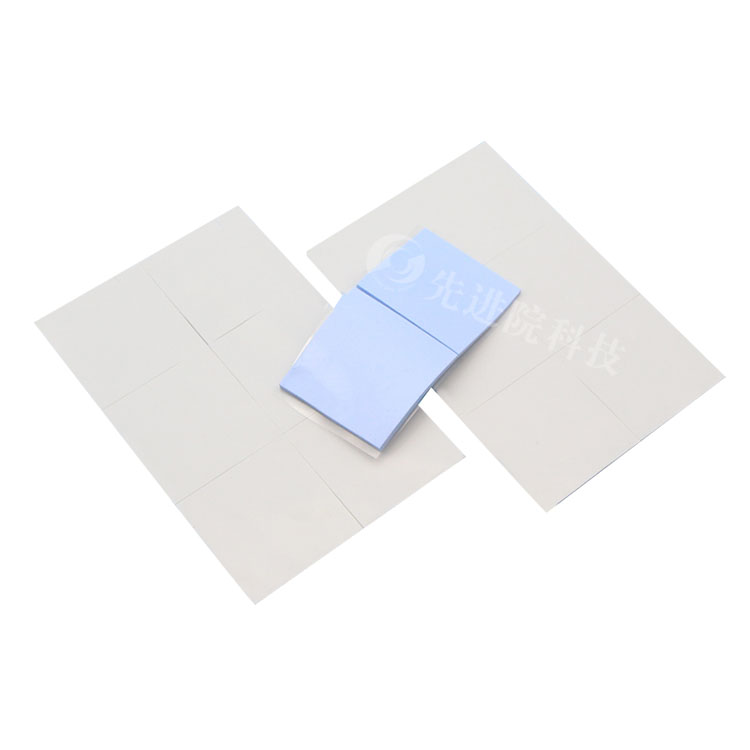
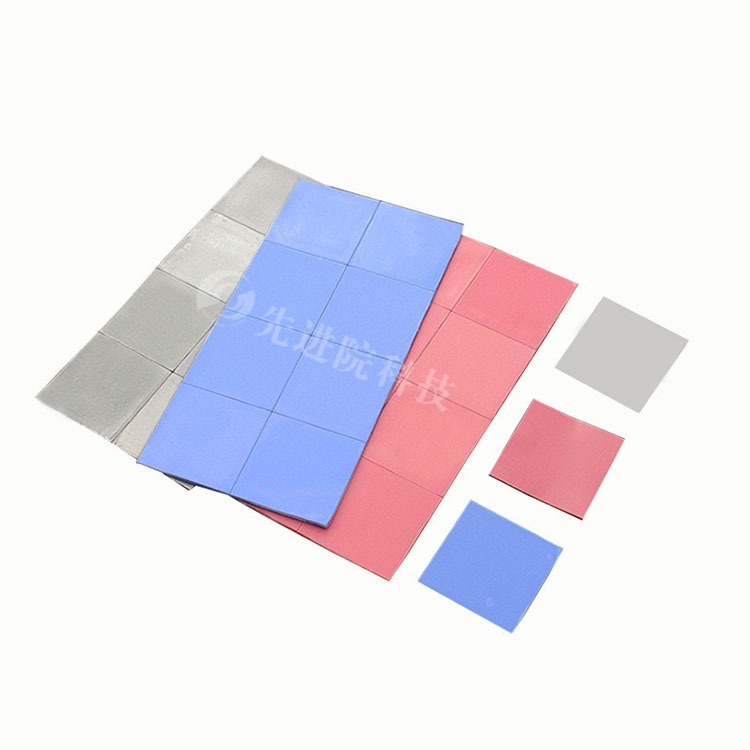
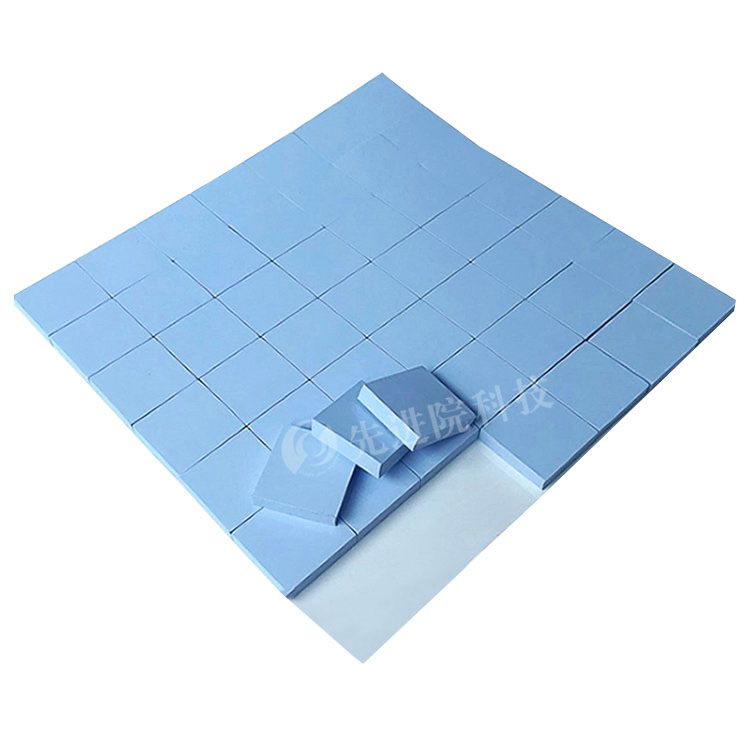
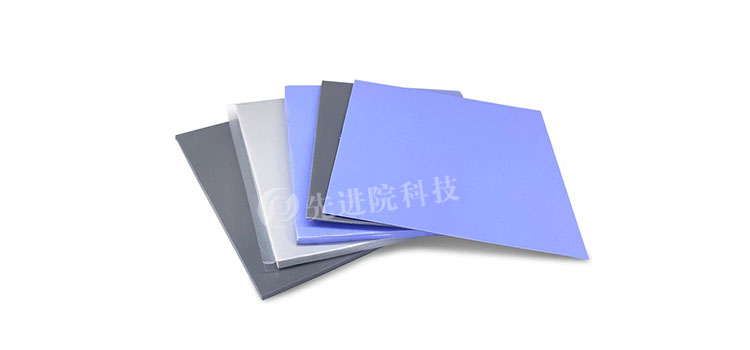
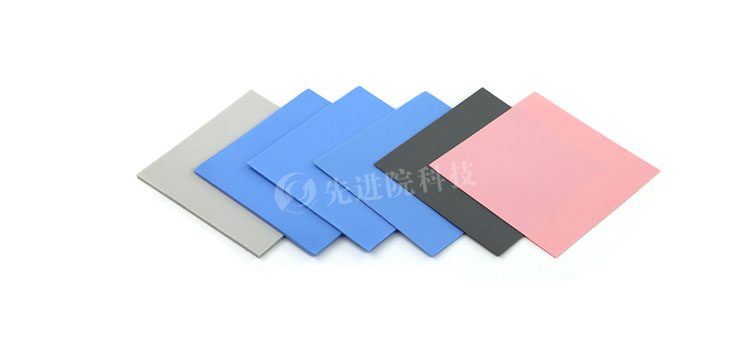
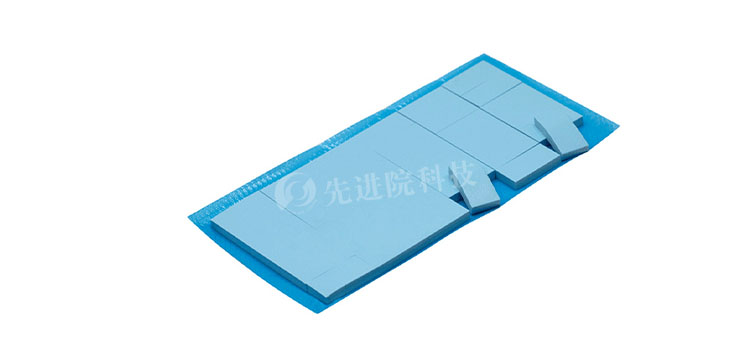
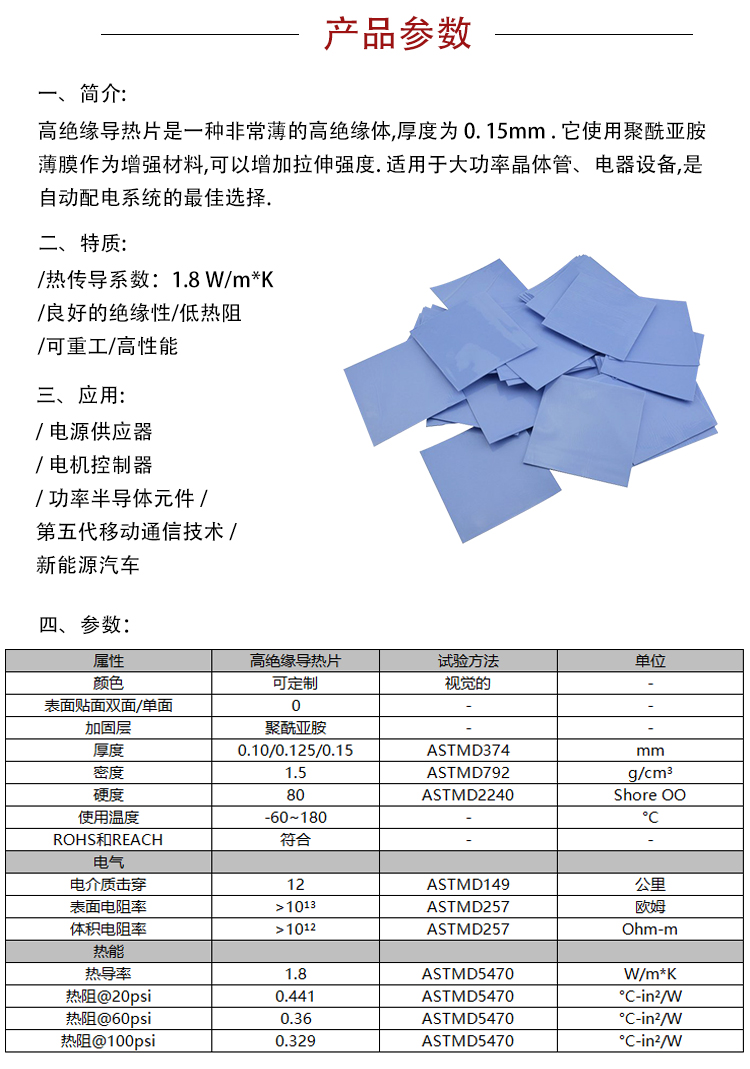
The high insulation thermal conductive sheet is made of insulating matrix such as silicone resin or polyimide composite with high thermal conductive ceramic fillers such as alumina and boron nitride. The material is supplied in sheet form, with flexibility and surface adhesion, and can compress and fill irregular gaps between power devices and heat sinks.

The working principle is based on the dual mechanism of electrical insulation and thermal conduction. In terms of insulation, the synergistic effect of polymer matrix and ceramic filler provides extremely high volume resistivity (up to the order of 10 ¹⁵Ω· cm) and breakdown voltage (typical value>6kV, some products can reach 10kV or more), effectively isolating the current path between high-voltage components. In terms of thermal conductivity, high thermal conductivity fillers come into contact with each other to form a phonon transfer network, efficiently conducting heat from the heat source to the heat dissipation end. The material has both good tear resistance and puncture resistance, and is adaptable to vibration and thermal cycling stress.

The product advantages are reflected in the following aspects. High voltage resistance: The breakdown voltage can reach 6kV to 10kV or above, meeting the insulation requirements of IGBT/SiC devices with high voltage of 1200V or above. Good thermal conductivity: optional thermal conductivity of 1.5-5.0 W/m · K, far superior to traditional insulation materials. Flexible fit: It can compress and fill irregular surfaces, adapting to different installation pressures and tolerances. Temperature resistance: Operating temperature range of -60 ℃ to 250 ℃, suitable for harsh working conditions. Advanced Institute Technology supports customization of thermal conductivity, thickness, and size.


Hotline

+86-13826586185

The high insulation thermal conductive sheet of the Advanced Institute is based on high-purity ceramic/polymer matrix composite thermal conductive filler, which combines high dielectric strength and high thermal conductivity. It blocks the current path through a dense insulation layer and achieves rapid heat dissipation through a three-dimensional thermal conductive network. It can fit irregular structures to fill micrometer level gaps, adapt to high-voltage power modules, high-power semiconductor devices and other scenarios, and ensure stable operation of equipment under the dual requirements of electrical and thermal safety. It is a key material that balances electrical safety and thermal management.

长图.jpg

Production principle:
  1. Thermal conduction mechanism

    The thermal conductive filler forms a continuous network in the matrix, and heat is rapidly conducted along the filler.

    The flexibility of the substrate material ensures close contact with the heating element, reducing interfacial thermal resistance.

  2. Insulation mechanism

    A high resistance substrate (such as epoxy resin) blocks the current path.

    Insulating fillers (such as boron nitride) further prevent charge migration.

  3. Performance balance

    Reduce interfacial thermal resistance while maintaining insulation properties through surface modification of fillers.

    Multi layer structure design (such as ceramic polymer composites) balances thermal conductivity and pressure resistance requirements.


长图2.jpg

Notes:

  1. Selection matching

    Select the temperature resistance level based on the working temperature (such as low temperature resistance of silicone rubber and high temperature resistance of polyimide).

    In high-voltage scenarios, it is necessary to ensure that the breakdown voltage meets the requirements.

  2. Installation key points

    Surface cleaning: Remove oil stains and dust to avoid affecting the bonding effect.

    Pressure control: Apply even pressure to ensure sufficient contact, but avoid excessive compression that may cause performance degradation.

    Directionality: Some anisotropic materials need to be installed in the designated direction.

  3. environmental adaptability

    Avoid long-term exposure to humid and corrosive environments to prevent material aging.

    High temperature scenarios require regular inspection for cracking or deformation.

  4. Maintenance and replacement

    Regularly inspect the interface for delamination or cracking, and promptly replace any defective materials.

    Avoid violent pulling during disassembly to prevent residual adhesive stains from affecting reinstallation.

  5. Safety Precautions

    When applying high voltage, it is necessary to ensure that the creepage distance meets safety standards.

    Avoid mechanical damage that may cause a decrease in insulation performance.

长图3.jpg

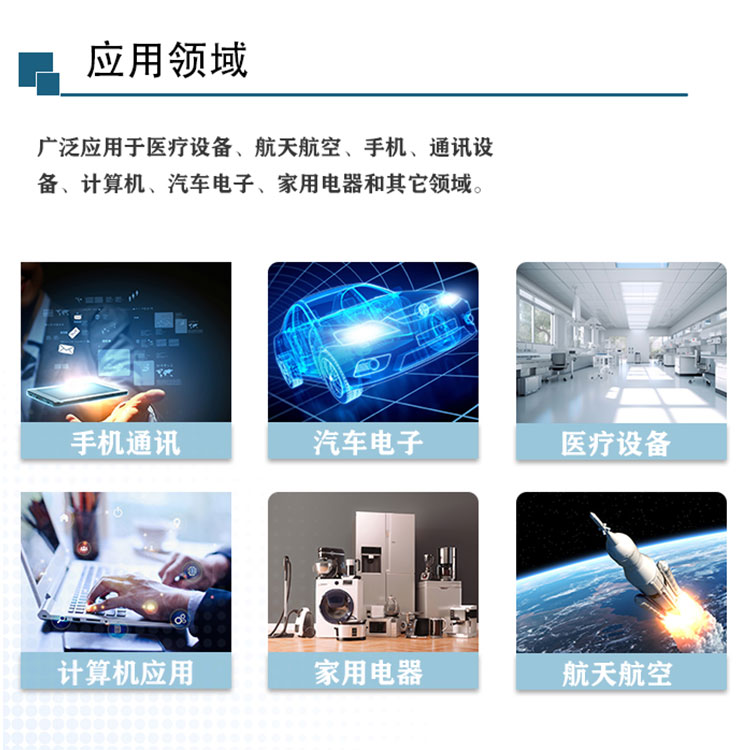
应用领域.jpg

3.jpg

联系方式中文.jpg

详情页模板_03.jpg

Recommended products
Hotline
0755-22277778
13826586185(Mr.Duan)
Wechat QRcode Wechat QRcode