PI Tin Plating: Innovative Application of High Performance Composite Materials in the Electronic Field
1、 Basic concepts of PI tin plating
Advanced Institute of TechnologyPI (polyimide) tin plating is a composite material technology that deposits a tin layer on the surface of a polyimide substrate through a special process. Polyimide itself has excellent high temperature resistance, chemical corrosion resistance, and mechanical strength, while the tin layer endows it with good conductivity, weldability, and electromagnetic shielding properties. This combination makes PI tin plating a high-performance material in the electronic field, especially suitable for precision electronic devices and high reliability application scenarios.
1. High temperature resistance: The polyimide substrate can withstand a temperature range of -269 ℃ to 400 ℃, and can maintain stability even after tin plating. It is suitable for high-temperature soldering (such as lead-free solder) and extreme environments.
2. Lightweight and flexible: Compared to traditional metal materials, PI tin plating is lighter and bendable, suitable for emerging electronic fields such as flexible circuits and wearable devices.
3. Excellent electrical performance: The tin layer provides a low resistance conductive path, while the insulation of polyimide can prevent signal interference and improve high-frequency circuit performance.
4. Corrosion and oxidation resistance: The tin layer can effectively protect the substrate from environmental corrosion such as moisture and salt spray, extending the lifespan of the device.
3、 Innovative applications in the field of electronics
1. High density interconnect (HDI) circuits:
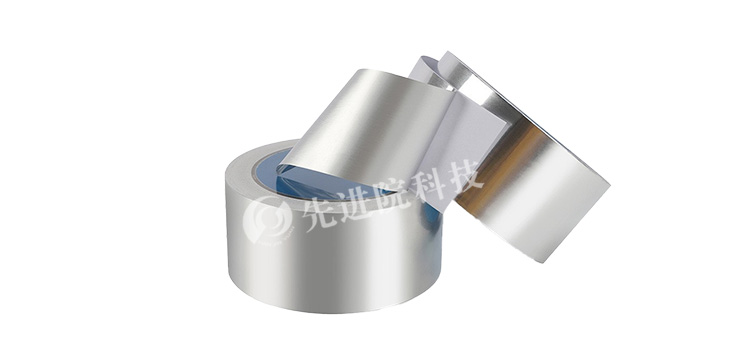
PI tin plated filmIt can be used as a substrate or shielding layer for high-precision circuits, in miniaturized devices such as smartphones and 5G communication modules, reducing signal loss and improving integration.
2. Flexible electronic devices:
In applications such as flexible displays and foldable phone hinge circuits, PI tin plating has better flexibility and bending resistance than traditional copper foil, and does not require additional electroplating treatment.
3. Aerospace and Automotive Electronics:
Used for satellite circuit boards, electric vehicle battery management systems, etc., its high temperature resistance and vibration resistance meet the reliability requirements in harsh environments.
4. Electromagnetic shielding materials:
The conductivity of the tin layer enables it to effectively shield electromagnetic interference (EMI), and is applied in fields such as medical equipment and military radar that require high signal purity.
5. Sensors and the Internet of Things (IoT):
As an electrode or wire material for microsensors, PI tin plating combines sensitivity and durability, making it suitable for environmental monitoring, biosensing, and other scenarios.
4、 Future Development Trends
1. Process optimization: Develop low-temperature tin plating technology to adapt to heat sensitive substrates, or combine nano tin particles to improve conductivity uniformity.
2. Environmental Protection: Promote cyanide free tin plating process, reduce wastewater pollution, and comply with the trend of green manufacturing.
3. Multi functional integration: Explore composites with other materials (such as graphene) to further enhance thermal conductivity, anti-static properties, and other properties.
5、 Summary
Polyimide tin plated substrateBy combining the inherent properties of polyimide with the functionality of tin metal, a lightweight, highly reliable, and versatile solution has been provided for the electronics industry. With the development of flexible electronics, high-frequency communication and other technologies, their innovative application scenarios will continue to expand, becoming one of the key materials driving the performance upgrade of electronic devices.
 en
en  Español
 Français
 Português