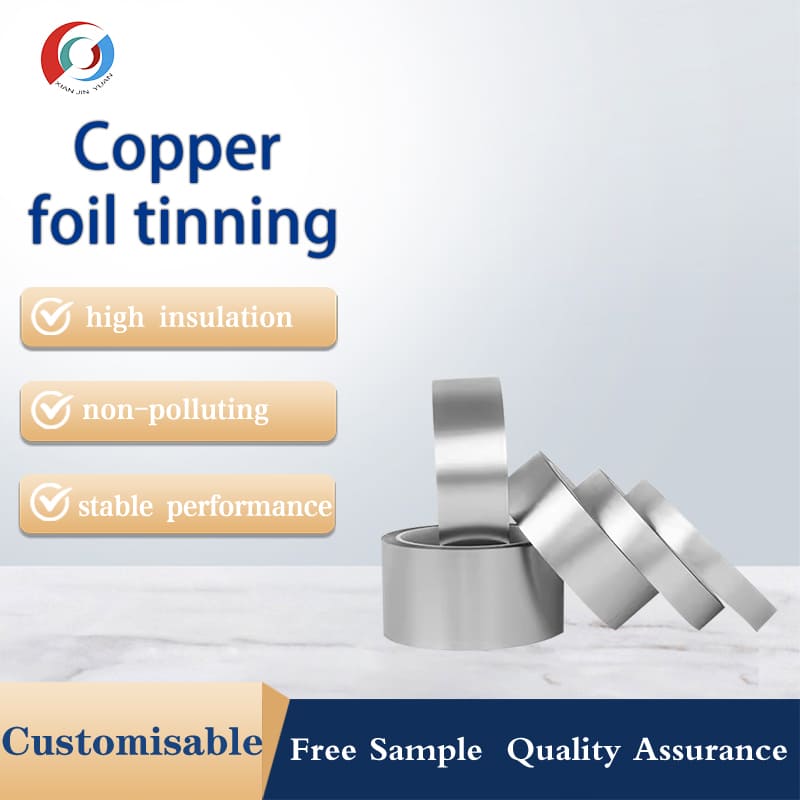
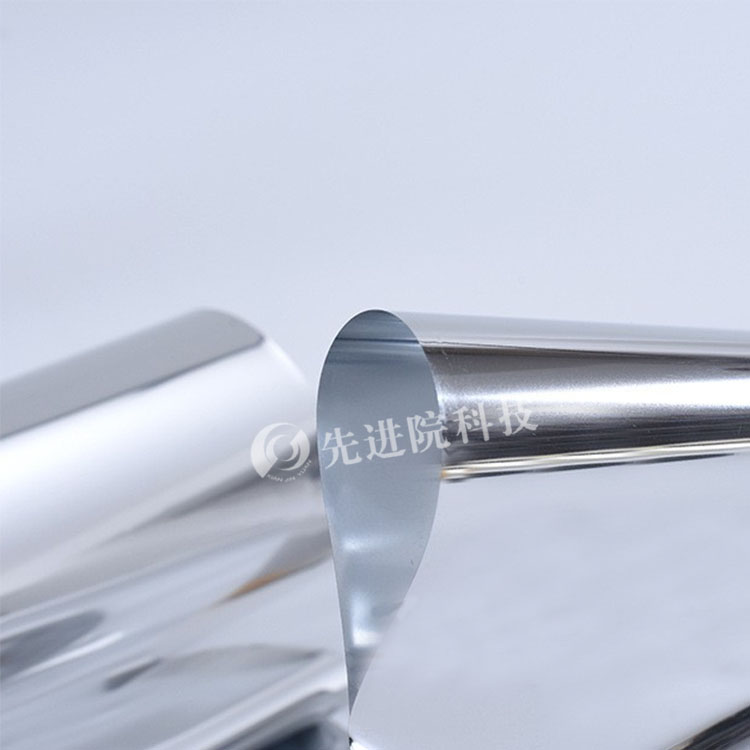
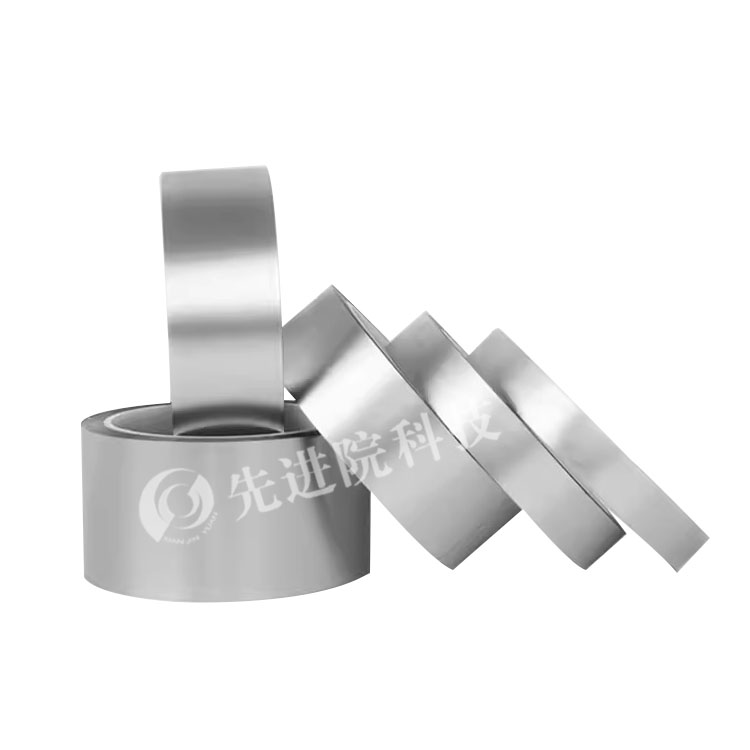
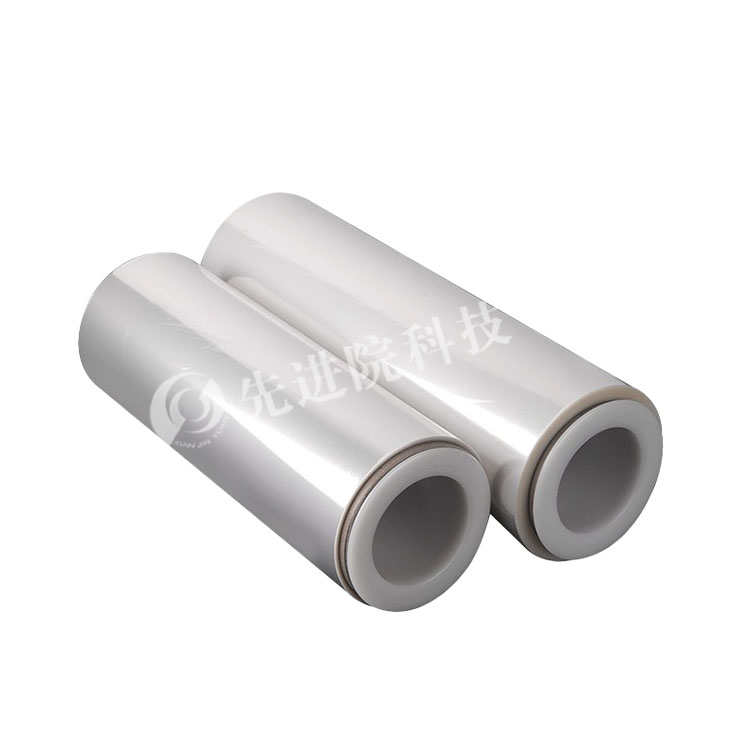
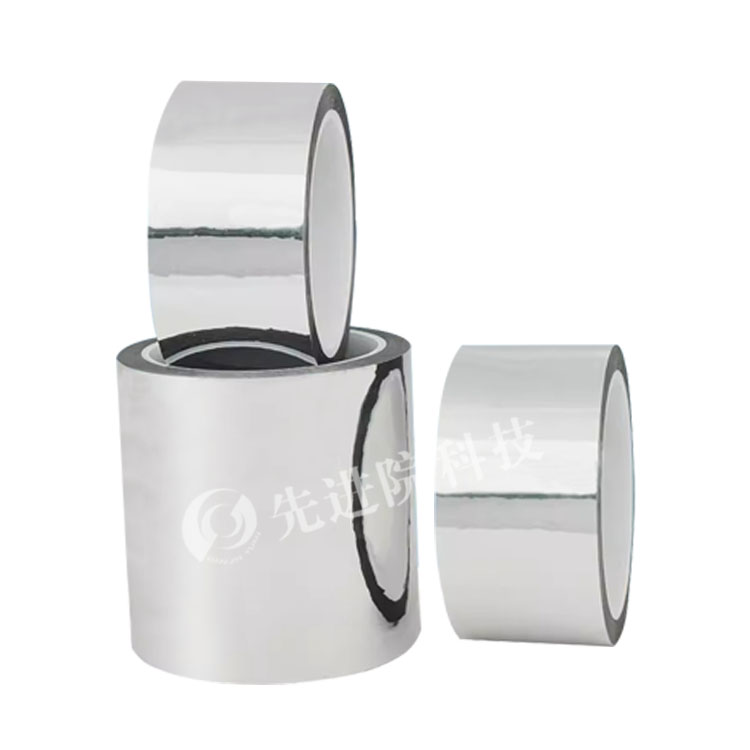
Copper foil tin plated products are widely used in the electrical and electronic industries, such as printed circuit boards, passive components, 3C electronic products, and other fields. In addition, due to its non-toxic and odorless properties, it is widely used in the food industry, such as beverage packaging and tools that come into contact with food. Copper foil tin plated products play an important role in the modern electronics industry due to their excellent conductivity, corrosion resistance, weldability, and mechanical properties.
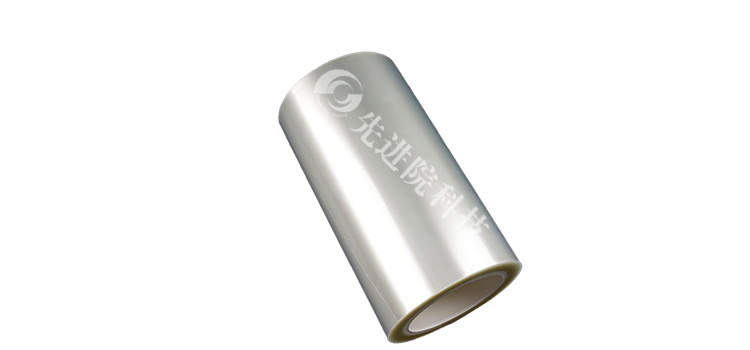
Characteristics of electrolytic copper tin plated products
Excellent conductivity: Copper foil serves as a conductive layer, ensuring that tin plated copper foil products have good conductivity and can meet the high requirements of electronic devices for conductivity.
Good corrosion resistance: Tin plating can form a dense tin dioxide film in air, effectively preventing further oxidation of copper foil and improving the corrosion resistance of the product. In addition, the tin layer can also form a thin film in a halogen environment, further enhancing its corrosion resistance.
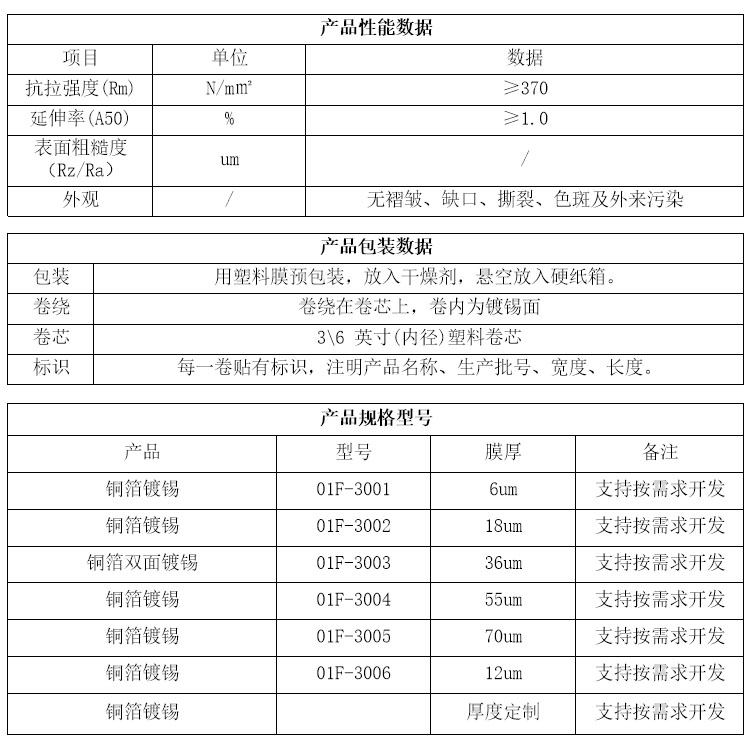
Weldability: Tin plated copper foil has good weldability, which can meet the welding requirements in the manufacturing process of electronic products, improve production efficiency and product quality. According to customer requirements, the tin content in the tin plating layer can be adjusted between 65% and 92% to meet different welding process requirements.
Strength and hardness: Tin plating also endows copper foil with certain strength and hardness, making it more stable and reliable during application.
Non toxic and odorless: Tin metal is non-toxic and odorless, so tin plated copper foil products are widely used in industries such as food that require non-toxic materials.
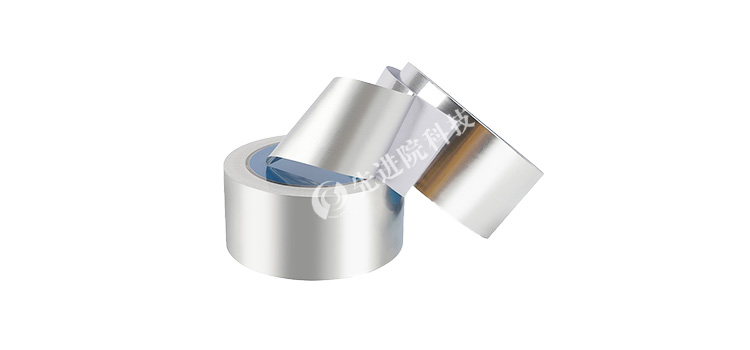
Production process of tin plating on rolled copper foil
Material preparation: Select high-purity copper as the substrate and perform cutting and cleaning treatment.
Surface treatment: Chemical or mechanical methods are used to treat the surface of copper foil to increase the adhesion between the tin plating layer and the copper foil.
Tin plating treatment: A uniform and dense layer of tin is deposited on the surface of copper foil by electroplating or chemical plating methods.
Post processing: Clean, dry, and inspect the tinned copper foil to ensure the stability and consistency of product quality.
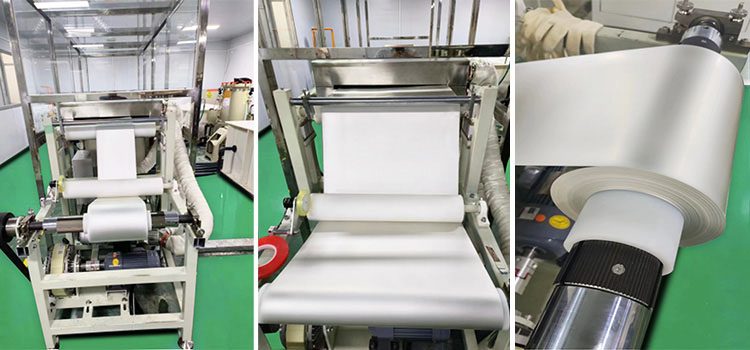
Workshop Display
Overview of application fields of double-sided tin plating on copper foil
1、 Cable and Connection System
This is the most classic and widely used field of copper foil tin plating.
Cable shielding layer: a shielding layer woven with tin plated copper wire, which can effectively resist electromagnetic interference and is widely used in data communication cables, control cables, power cables, and coaxial cables.
High speed data connection: used as a shielding layer for high-speed direct copper cables in scenarios such as AI computing power and data centers, ensuring the stability and reliability of high-capacity and high-speed data transmission.
New energy vehicle wiring harness: used for high-voltage cables, signal cables, and motor windings (such as servo motors) inside the vehicle, providing stable conductivity, corrosion resistance, and high temperature resistance.
Robot wiring harness: Used for the internal wires and signal transmission cables of industrial robot servo systems, meeting their high requirements for precision motion and reliability.
2、 Electronic components and circuit connections
Mainly utilizing the solderability and protective properties of the tin layer to ensure the long-term stability of electrical connections.
Connectors and connectors: Used for the pins or contact parts of various terminals, connectors, relays, and other components to improve solderability, reduce contact resistance, and prevent copper substrate oxidation, ensuring the stability of electrical components.
Printed circuit board: As a solder pad or lead material for PCB, tin plating can protect copper foil from oxidation and ensure excellent soldering performance even after long-term storage.
Electronic component protection: used to protect the pins of electronic components that are sensitive to oxidation, maintaining their good conductivity and solderability.
3、 Other industries and special applications
Corrosion resistant mechanical components: Due to tin's certain corrosion resistance and lubricity, thick tin coatings are also used in mechanical engineering fields such as pump components, piston rings, bearings, and valves.
Food processing equipment: Utilizing the non-toxic and good corrosion resistance of tin, tin plating can be used on contact surfaces such as food processing containers and equipment walls, but requires a thick and pore free coating.

 en
en  Español
 Français
 Português