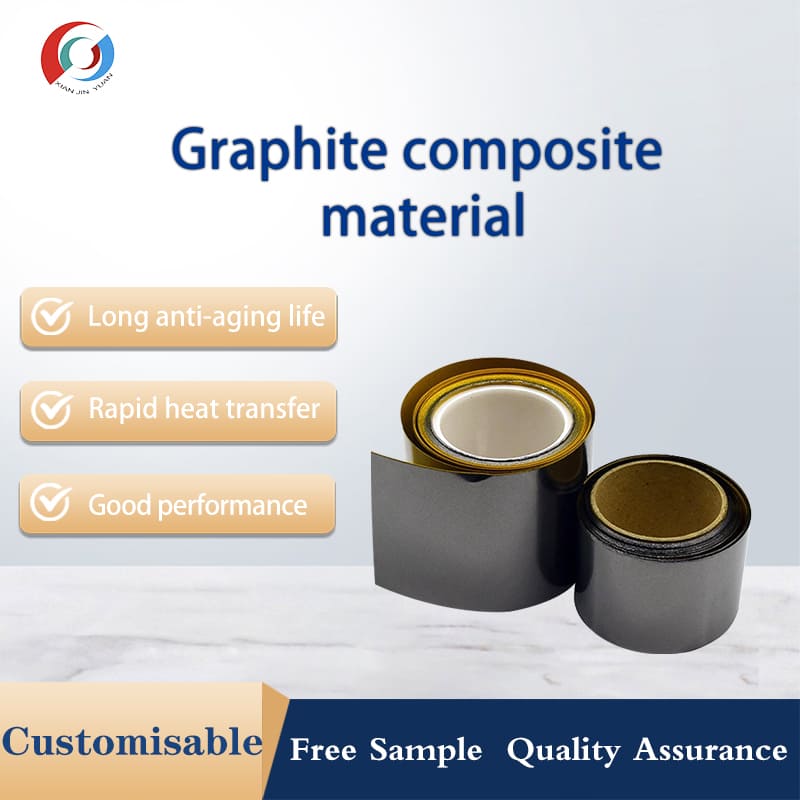
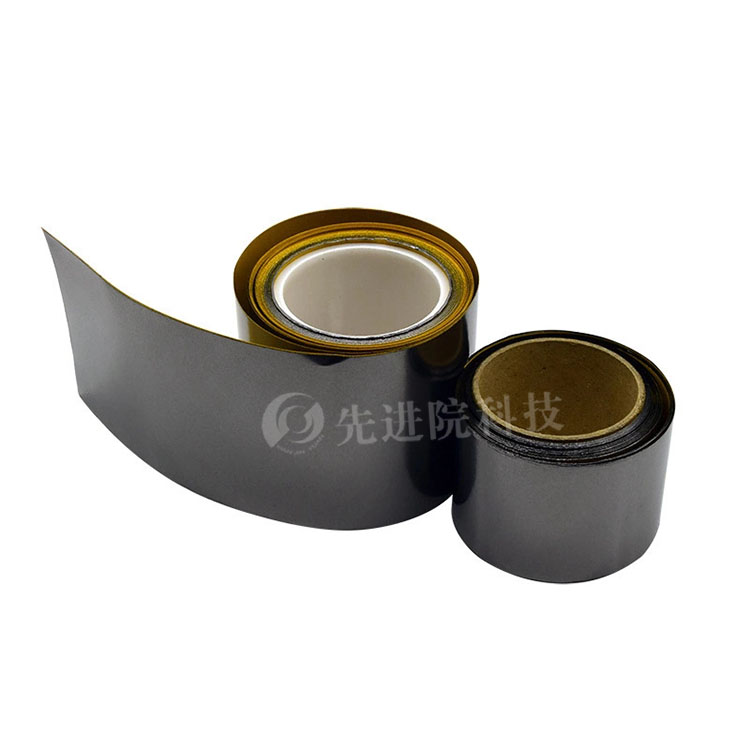
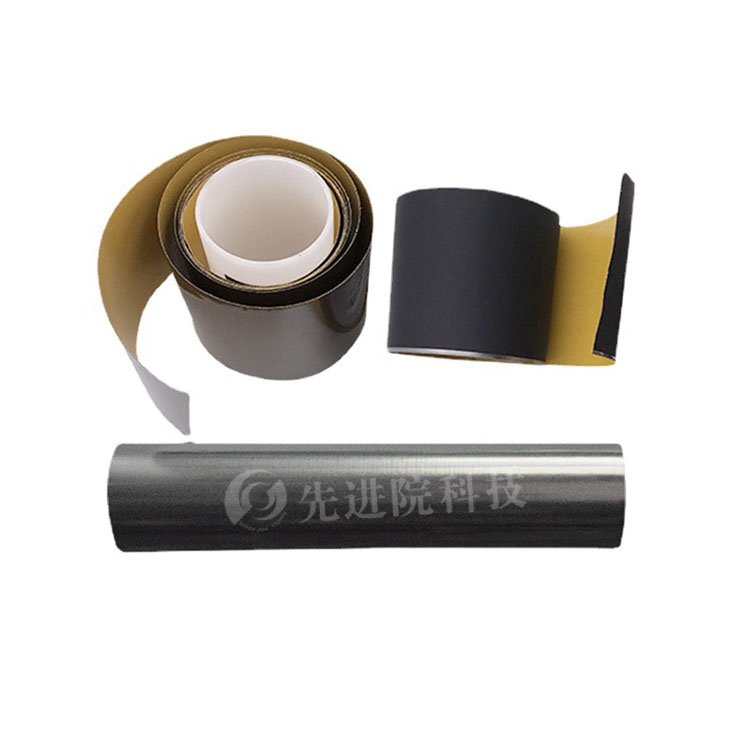
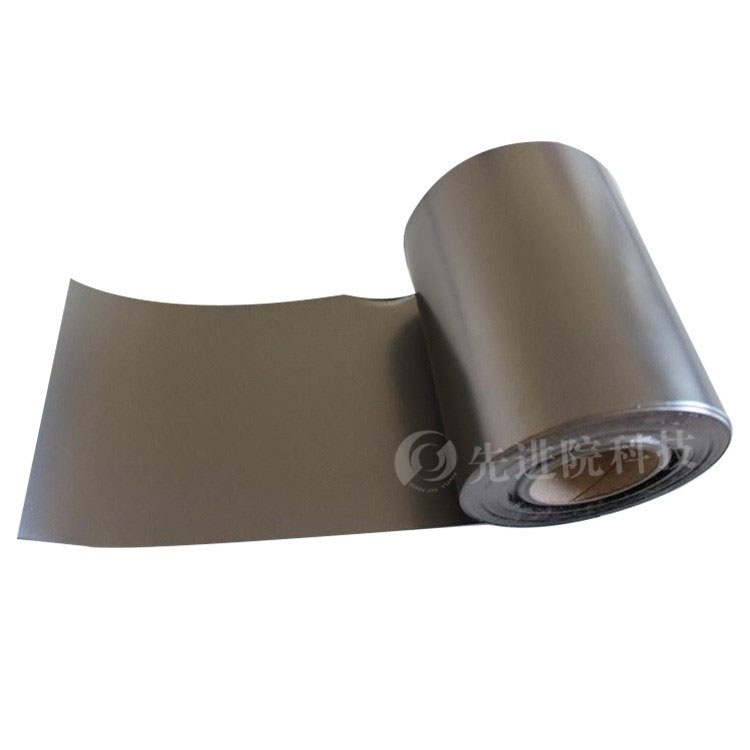
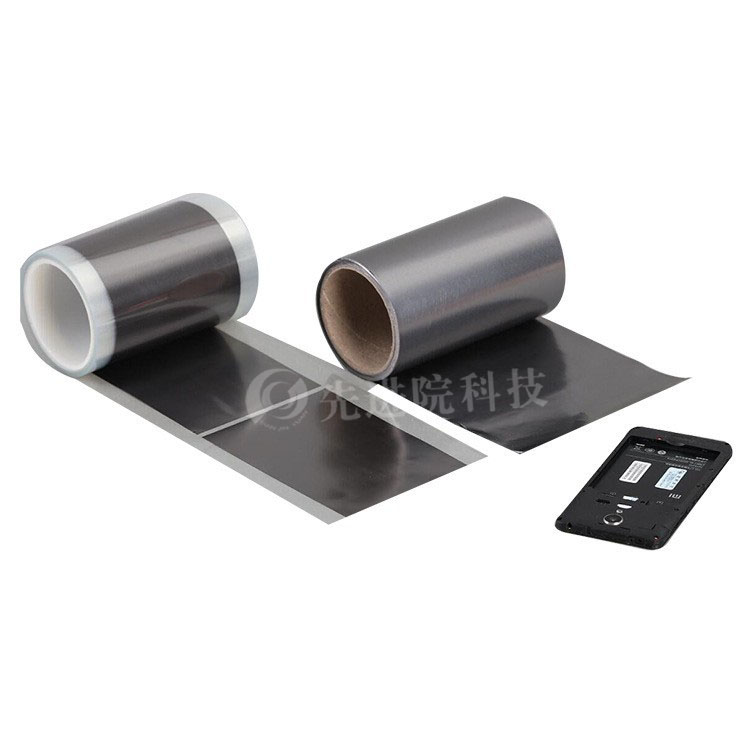
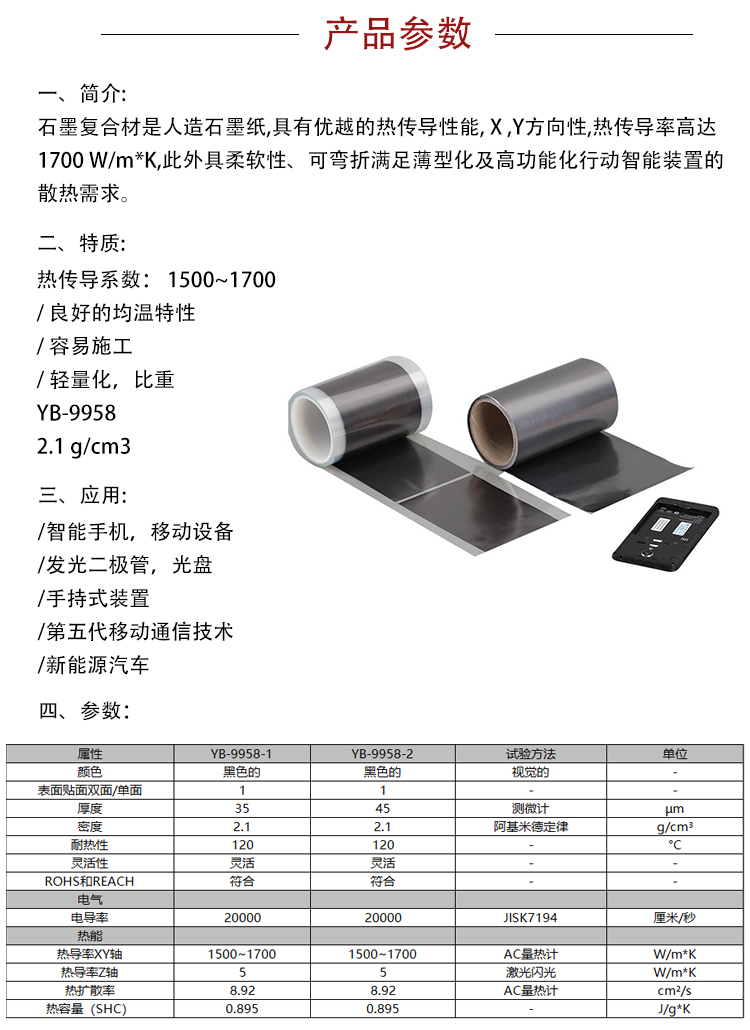
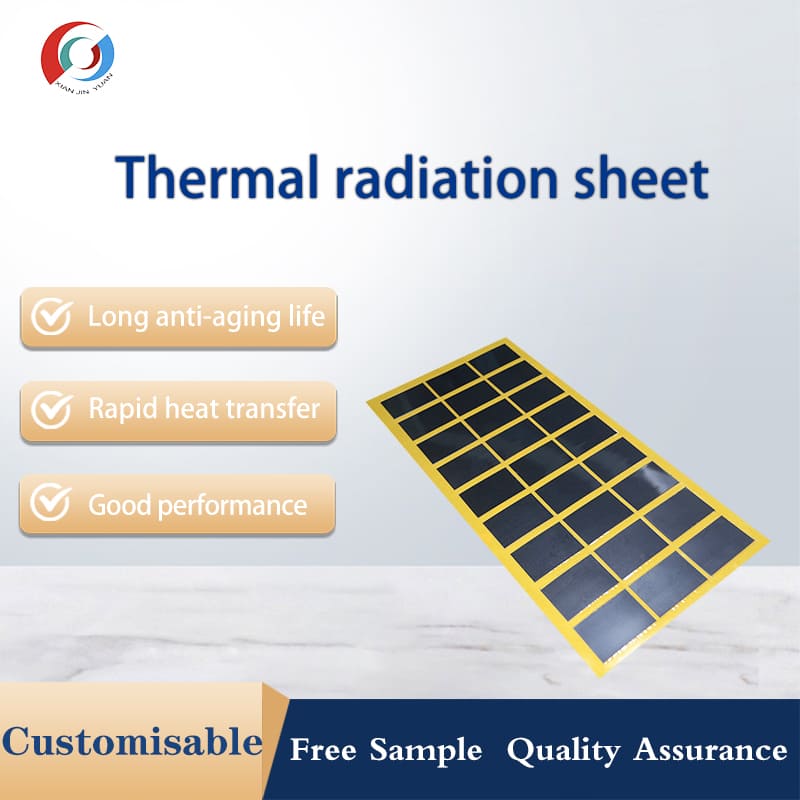
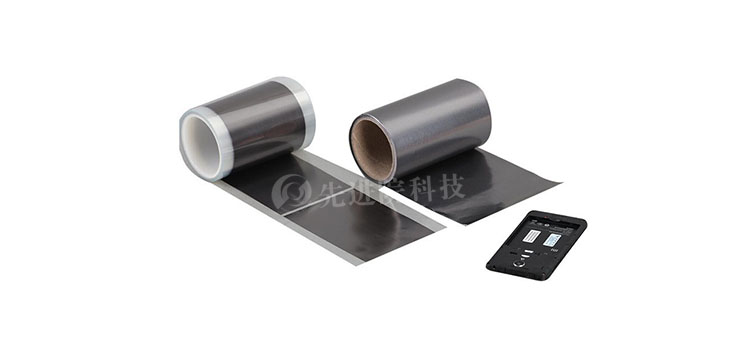
Advanced Institute's graphite composite materials are based on natural/artificial graphite, reinforced with resin, ceramic or metal fillers, and have high thermal conductivity, electromagnetic shielding, corrosion resistance and flexible processability, suitable for electronic heat dissipation, military chemical defense and energy storage and transportation scenarios.
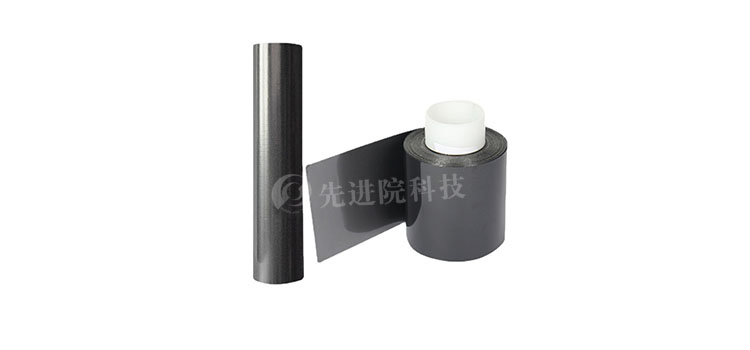
Production process:
1. Raw material pretreatment process: Mix natural graphite or graphite powder with resin, fiber and other reinforcing materials in proportion, remove impurities through ultrasonic cleaning, drying and other steps, and improve the surface energy of the substrate.
2. Melt intercalation composite process: Heat the prepolymer or polymer to a molten state, insert it into the pores of expanded graphite, and solidify to form a composite material with good organic-inorganic compatibility.
3. Blending and compounding process: graphite powder is mixed with plastics, rubber and other substrates, and graphite is evenly dispersed in the matrix through mechanical agitation, solution blending or lotion blending.
4. Chemical vapor deposition process: Using silicon tetrachloride as the silicon source and methane as the carbon source, gas is deposited on the surface of graphite substrate at high temperature to form dense coatings such as silicon carbide.
5. Hot pressing process: Place the mixture in a mold and shape it under heating and pressure, allowing the polymer to flow fully and fill the gaps between graphite particles, enhancing the bonding strength of the material.
Production principle:
1. The principle of intercalation composite: Polymer molecular chains or organic monomers are embedded between graphite layers through chemical or physical methods, and the interlayer spacing is expanded to form a nanoscale composite structure, enhancing interfacial bonding strength.
2. Chemical oxidation-reduction principle: Natural graphite is oxidized to graphite oxide (GO), and after adding interlayer polar groups, conductivity is restored through a reduction reaction, forming a functionalized composite substrate.
3. Mechanical blending principle: Using high-speed stirring or ball milling to evenly disperse graphite particles in the polymer matrix, achieving complementary properties through physical mixing.
4. In situ polymerization principle: introducing monomers and initiators on the surface or interlayer of graphite, generating a polymer network through polymerization reaction, and encapsulating and fixing graphite particles in the matrix.
5. Principle of non-uniform nucleation and coating: Control the heterogeneous nucleation and growth of coating material on the surface of graphite particles to achieve uniform coating and avoid uneven coating caused by free colloidal particles.

 en
en  Español
 Français
 Português