The New Era of Solar Panels: The Innovative Journey of PET Nickel Plated Reflective Film
In the wave of green energy revolution, solar panels, as the core equipment for solar energy utilization, have always been the focus of attention both inside and outside the industry for improving their performance and reducing costs. In recent years, a solar panel developed by Advanced Institute TechnologyPET nickel plated reflective filmWith its unique technological advantages and market potential, it is quietly leading a revolution in solar panel materials. This article will delve into the unique features of this product, and through case analysis and data support, reveal its significant impact on the solar energy industry from multiple dimensions such as material characteristics, energy efficiency improvement, environmental adaptability, and economy.
1、 PET nickel plated reflective film: harmonious coexistence of technology and nature
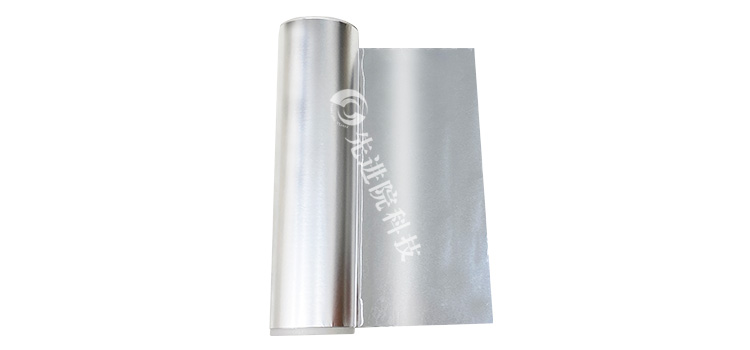
PET (polyethylene terephthalate), as a lightweight, high-strength, and transparent plastic material, has a wide range of applications in packaging, electronics, optics, and other fields. And when this traditional material encountered nickel plating technology, reflective films designed specifically for solar panels were born. The nickel plating layer not only endows the PET surface with a metallic luster and hardness, but more importantly, it greatly enhances the reflection ability of light, allowing previously escaped or absorbed light to be reused, thereby improving the photoelectric conversion efficiency of solar cells.
Example explanation: According to experimental data, usingUltra weather resistant nickel plated reflective filmCompared to similar products without reflective film, the photovoltaic conversion efficiency of solar panels can be improved by about 5% -8% under the same lighting conditions. This means that in areas with abundant sunshine, users can save a significant amount of electricity costs each year, while reducing carbon emissions and promoting sustainable development.
2、 Energy efficiency improvement: not just a leap in numbers
The improvement of energy efficiency is not just a simple leap in laboratory data, it embodies a profound pursuit of efficient energy utilization. The PET nickel plated reflective film achieves wide range reflection and focusing of the solar spectrum by precisely controlling the thickness and surface structure of the coating. Especially in the ultraviolet and near-infrared bands, this reflection effect is particularly significant, effectively reducing energy loss and improving the overall power generation efficiency of the solar panel.
Data support: A long-term tracking study shows that solar panels using PET nickel plated reflective film can increase cumulative power generation by about 15% compared to traditional film materials within a 25 year service life. This means billions of kilowatt hours of additional clean energy output for large-scale solar power plants and has immeasurable value in alleviating the global energy crisis.
3、 Environmental adaptability: ubiquitous from deserts to polar regions
In the face of complex and ever-changing natural environments, the durability and adaptability of solar panels are crucial.Metallized polyester reflective filmWith its excellent weather resistance, corrosion resistance, and good thermal stability, it can maintain stable reflection performance and a long service life, whether in high-temperature and dry desert areas or cold and humid polar environments.
Example analysis: At a solar power plant on the edge of the Sahara Desert, extreme high temperatures and strong sandstorms pose a severe challenge to all equipment. The solar panels using PET nickel plated reflective film showed a decrease in reflection efficiency of less than 2% after several years of extreme weather, far below industry standards, demonstrating their outstanding performance in harsh environments.
4、 Economic considerations: the art of balancing investment and return
Although PET nickel plated reflective film may have slightly higher initial investment than traditional materials, its long-term energy efficiency improvement and reduced maintenance costs give it a significant advantage in total cost of ownership (TCO). Especially for large-scale solar energy projects, optimizing the investment return ratio is one of the key factors driving its widespread application.
Economic model: Taking a 100 MW solar power plant as an example, after adopting PET nickel plated reflective film, although the initial material cost increased by about 5%, due to the improvement of power generation efficiency, it is expected that this additional investment can be recovered within 5 years through the saved electricity and maintenance costs, followed by a net profit period of more than 20 years.
Conclusion: Technological innovation illuminates a green future
In conclusion,Advanced Institute of TechnologyThe PET nickel plated reflective film developed for solar panels is gradually becoming an important force in promoting the development of the solar energy industry due to its unique technological innovation, significant energy efficiency improvement, wide environmental adaptability, and economic rationality. It is not only an innovation in traditional solar panel materials, but also a milestone in humanity's exploration of sustainable energy. With the continuous maturity of technology and further cost reduction, PET nickel plated reflective film is expected to be widely used worldwide, illuminating our path towards a green and low-carbon future.

 en
en  Español
 Français
 Português