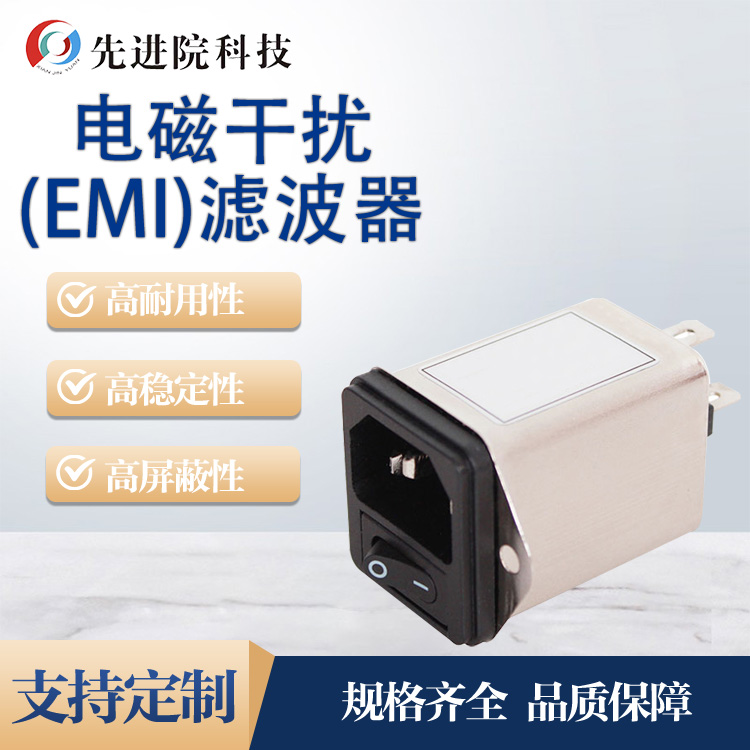
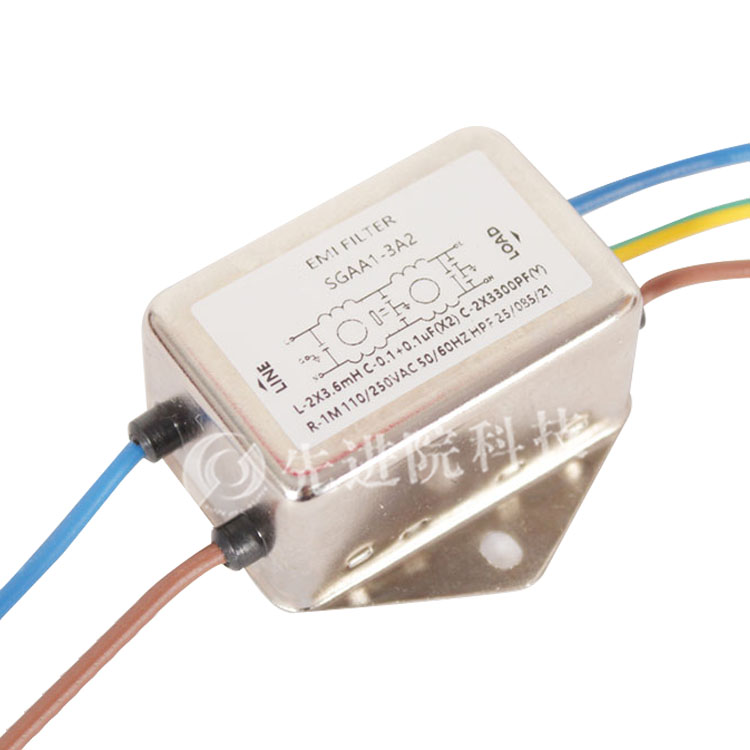
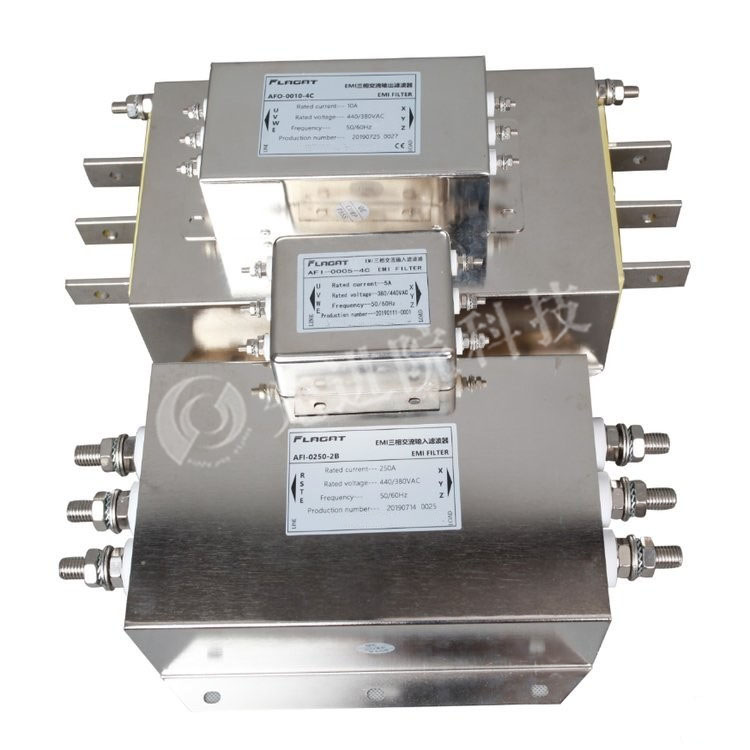
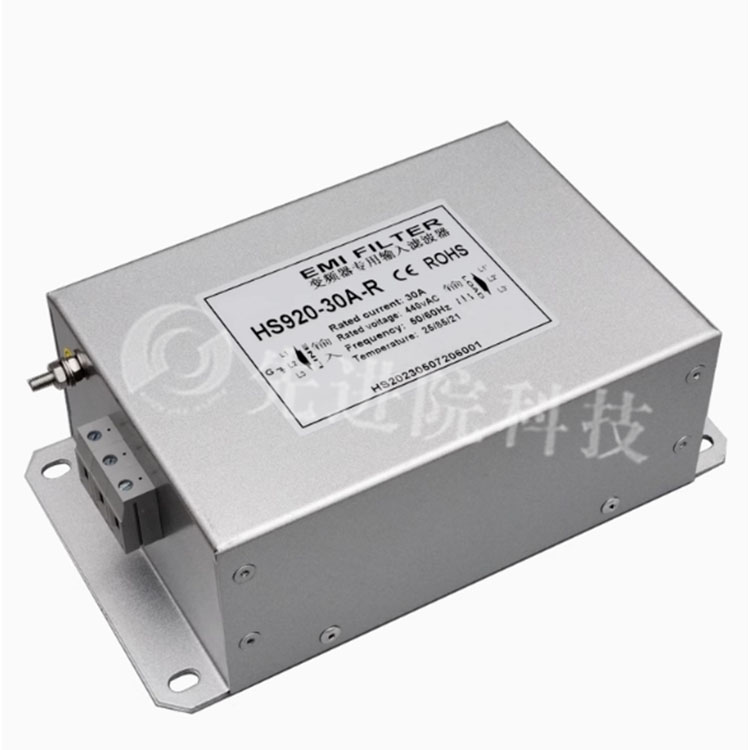
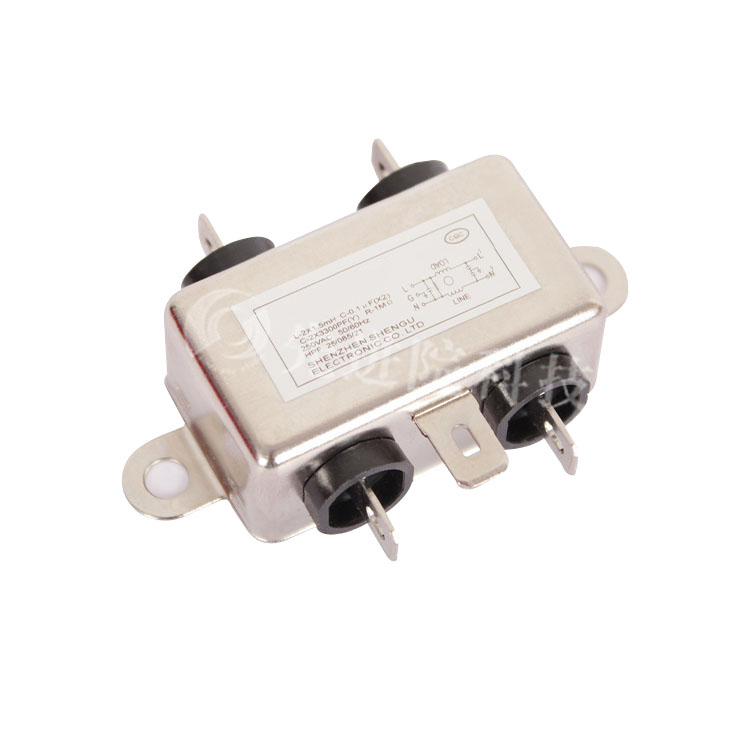
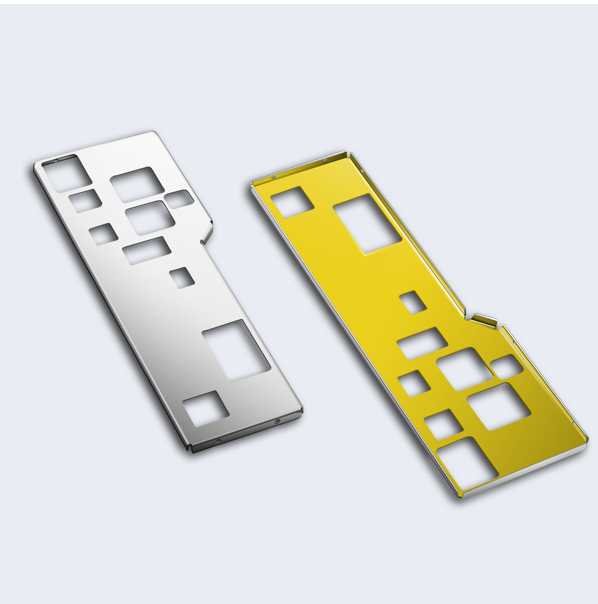
The main working principle of electromagnetic interference filters is to filter common mode noise and differential mode noise through the interaction of inductance and capacitance. When electronic devices are running, the current in them generates magnetic and electric fields, causing electromagnetic waves to propagate. These electromagnetic waves may interfere with other devices or systems near the equipment, thereby introducing noise signals. Electromagnetic interference filters can eliminate these noise signals by directing current to the ground or other loads.
Specifically, electromagnetic interference filters use components such as capacitors and inductors. Capacitors utilize the high-frequency path and isolation characteristics of low frequencies to introduce high-frequency interference currents into the ground (common mode) or live (differential mode); And interference suppression ferrite absorbs interference signals in specific frequency bands and converts them into heat.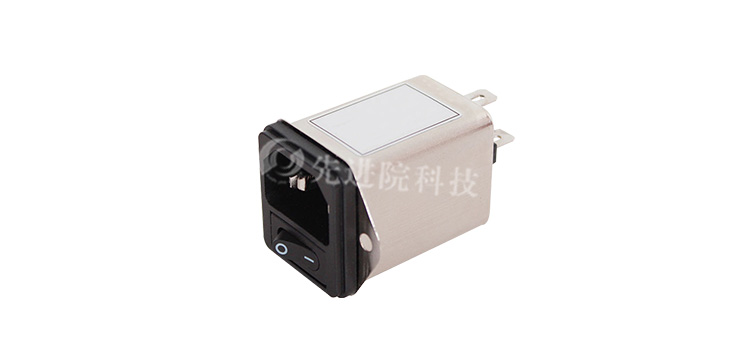
Features and Characteristics
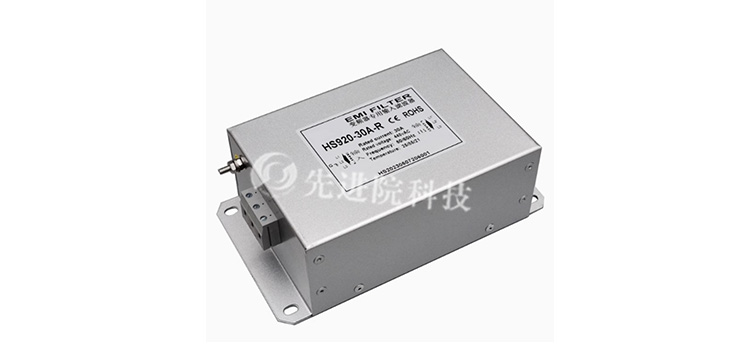
Function: The function of an electromagnetic interference filter is to prevent the internal noise generated by electronic devices from leaking out, while also preventing noise generated by external AC lines from entering the device.
Characteristics:
- Efficient filtering: It can effectively filter out unwanted EMI signals and optimize system performance.
- Frequency selectivity: Electromagnetic interference filters can selectively transmit or block signals within a specific frequency range as needed.
- Impedance matching: When designing electromagnetic interference filters, it is necessary to consider impedance matching with the circuit to ensure effective signal transmission and effective suppression of interference.
Type and Structure
- Type: Electromagnetic interference filters can be divided into conductive and radiative types. Conductive type is mainly used to suppress interference on the conduction path, while radiation type is used to reduce the radiation interference of the device to the external environment. In addition, electromagnetic interference filters are also divided into common mode mode and differential mode.
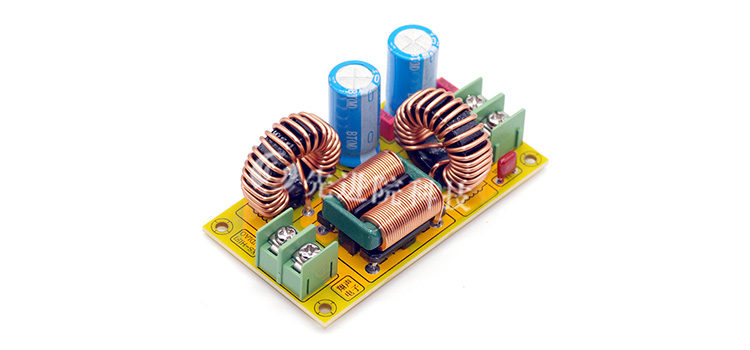
- Structure: Standard electromagnetic interference filters typically consist of a low-pass filtering circuit consisting of series reactors and parallel capacitors, allowing normal operating frequency signals to pass through while having a significant blocking effect on high-frequency interference signals.
Application Fields
Electromagnetic interference filters have a wide range of applications in many fields, including but not limited to:
- In the field of consumer electronics, such as smartphones, tablets, televisions, etc. In smartphones, numerous electronic components are integrated into a small space, and electromagnetic interference is easily generated between each component. EMI filters can effectively suppress these interferences, ensuring normal communication, data processing, and other functions of the phone.
- In the field of industrial control, industrial automation equipment, robots, etc. have high requirements for electromagnetic compatibility. EMI filters can ensure stable operation of these devices in complex electromagnetic environments, preventing misoperation or malfunctions caused by electromagnetic interference.
- In the field of communication, including base station equipment, switches, etc. In base station equipment, EMI filters help improve the quality and stability of signal transmission, reduce interference between different frequency bands, and ensure the normal operation of communication networks.


 en
en  Español
 Français
 Português